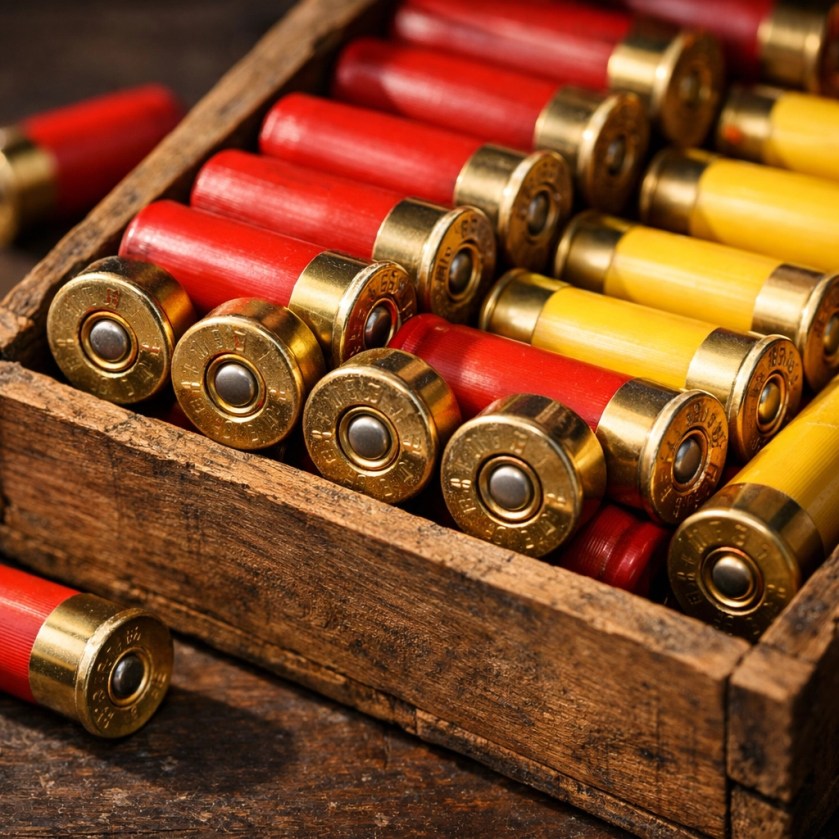
Buying a Used 38 Special? Here Are 10 Things You Should Know

So you're thinking about picking up a used .38 Special revolver? Smart move. These classic wheelguns have been trusted for over a century, and there's a reason they're still one of the most popular choices for home defense, concealed carry, and range fun.

But here's the thing: buying used firearms isn't quite like buying a new one off the shelf. You need to know what to look for, what to avoid, and how to make sure you're getting solid value for your hard-earned cash.

Whether you're a first-time buyer looking for an affordable entry into revolver ownership or a seasoned collector hunting for that perfect addition to your safe, these 10 tips will help you make a confident, informed purchase.

Let's dive in.


1. Know Your Purpose Before You Shop

Before you even start browsing, ask yourself: what do I need this gun for?

A .38 Special for home defense might look different from one you want for target shooting or concealed carry. If you're thinking about personal protection, you might lean toward a snub-nose revolver with a shorter barrel. Range shooters often prefer a longer barrel for better accuracy and reduced recoil.

Here's a pro tip: consider picking up a .357 Magnum revolver instead. Why? Because .357 Magnum revolvers can safely fire .38 Special ammunition, giving you incredible flexibility. You get the option of lighter .38 Special loads for practice and the punch of .357 Magnum when you need it.

Check out the Smith & Wesson 686 or browse our full selection of .357 Magnum revolvers to see what's in stock.


2. Inspect the Barrel and Frame Junction

This is where a lot of problems hide. The barrel should sit perfectly square to the frame with no visible gaps between them. If you see any daylight or misalignment at this junction, walk away.

Take your time here. Look down the barrel and across the top strap to verify proper alignment. Pay close attention to the crease where the barrel meets the frame: any irregularities could indicate a serious problem that'll cost more to fix than the gun is worth.

Close-up illustration of hands inspecting a used 38 Special revolver barrel and frame for gun buyer safety tips


3. Examine the Bore and Rifling

Grab a flashlight and take a good look inside that barrel. The rifling edges should be sharp and square, not rounded or worn down. The rifling pattern should appear uniform throughout the entire length of the barrel.

What you're really looking for are internal bulges or rings: these indicate a damaged barrel, possibly from a squib load or other catastrophic event. A bulged barrel is a deal-breaker. No exceptions.

If you're not sure what healthy rifling looks like, ask someone at your local gun shop or bring along a buddy who knows their way around revolvers.


4. Check the Forcing Cone

The forcing cone is that transition area between the cylinder gap and the actual rifling. It's a critical component, especially in older revolvers that have seen a lot of rounds.

Look for cracks, chips, or uneven erosion. The bevel should appear smooth and evenly centered without any visible steps. Damage here can affect accuracy and, in severe cases, safety.

This is one of those areas where older revolvers can show their age, so give it extra attention if you're looking at a vintage piece.


5. Verify Cylinder Chambers and Timing

Pop open that cylinder and inspect each chamber individually. They should be glass-smooth with no scratches, wavy lines, dings, or burrs. You'll notice a slight bottleneck at the front of each chamber: that's normal.

Cylinder timing is crucial. When the trigger is pulled, the cylinder must rotate and lock into perfect alignment with the barrel before the hammer falls. Poor timing means unreliable ignition and potential safety issues.

Ask permission to dry-fire the revolver (with snap caps if possible) to verify the timing is correct. Watch how the cylinder locks up at each chamber position.

Wholesale Hunter Logo


6. Check for Frame Cracks

This one's especially important if you're looking at alloy or aluminum-framed revolvers. These lighter guns are fantastic for concealed carry, but they can develop cracks over time: particularly underneath the barrel.

Get the gun under good lighting and examine the frame closely, front to back. Look for hairline cracks, stress marks, or any signs of metal fatigue. A cracked frame is not repairable and makes the gun unsafe to shoot.

Steel-framed revolvers are generally more durable, but don't skip this inspection step regardless of the frame material.


7. Assess Sights and Firing Pin

Sights should be intact, not bent or dinged, and stand precisely vertical. Even minor damage to the front sight can throw off your point of aim significantly.

Check the firing pin hole in the frame (or on the hammer, depending on the design). It should be round with smooth edges. A distorted firing pin hole can cause misfires or light primer strikes.

If you're looking at a revolver with adjustable sights, make sure the adjustment screws move freely and hold their position.

Open revolver cylinder with chambers illuminated for used 38 Special revolver inspection guidance


8. Test Trigger Function

A revolver's trigger should be smooth and consistent. Test both double-action (pulling the trigger to cock and fire) and single-action (manually cocking the hammer first) modes.

The trigger should return to its resting position reliably after each pull. Any sticking, grinding, or inconsistency is a red flag that could indicate internal wear or damage.

If the seller won't let you test the trigger function, that's a warning sign. Most reputable sellers: including us here at Wholesale Hunter: want you to be confident in your purchase.


9. Evaluate Overall Condition and Wear

Cosmetic wear tells a story. Holster wear on the muzzle and cylinder? That gun's been carried a lot. Heavy wear on the grip frame? Lots of shooting.

Some wear is perfectly fine and just means the gun has been used and loved. But watch out for rust, pitting, or signs of neglect. Check the backstrap and cylinder frame for metal fatigue from recoil.

Most importantly, make sure the lock-up remains tight. When the cylinder is closed and the hammer is cocked, there should be minimal wobble. A loose lock-up affects accuracy and can worsen over time.


10. Factor in Total Costs

That sticker price isn't the whole picture. Before you commit, add up:

  • FFL transfer fees (if buying online or from a private seller)
  • Any repairs or servicing the gun might need
  • Ammunition for break-in and practice
  • Holster and accessories

Speaking of ammo, we've got you covered. Check out our .38 Special ammunition selection and take advantage of our bulk ammo discounts to save on your range sessions.

Need to spread out payments? We offer Sezzle payment plans so you can get the gear you need without breaking the bank all at once. Plus, don't forget to leave a review after your purchase: we reward customers who share their honest feedback!

Tabletop view of used revolver, ammo box, holster, and notepad highlighting total cost tips for 38 Special buyers


Trusted Brands to Look For

When shopping for a used .38 Special, certain manufacturers have earned their reputation for quality:

  • Smith & Wesson – The gold standard in American revolvers. Check out the S&W Model 442 for a lightweight carry option.
  • Ruger – Built like tanks and priced right. Browse our Ruger revolvers.
  • Taurus – Great value for budget-conscious buyers without sacrificing reliability.

Ready to Find Your Next Revolver?

Buying a used .38 Special can be one of the smartest moves you make: especially when you know what to look for. These revolvers are reliable, easy to maintain, and just plain fun to shoot.

At Wholesale Hunter, we make it easy to find quality firearms at competitive prices. Our inventory is always updated, and our team is here to answer any questions you have.

Browse our full firearms selection and find your next favorite wheelgun today. Don't forget to check out our current deals, flexible payment options with Sezzle, and rewards for customer reviews.

Happy hunting!

410 Slugs Explained: Your Quick-Start Guide to Picking the Right Load

If you've been eyeing the .410 bore for hunting or home defense, you're not alone. This compact shotgun gauge has seen a serious surge in popularity over the past few years, and for good reason. It's lightweight, low-recoil, and surprisingly effective when you pick the right ammo.

But here's where things get a little tricky: not all .410 slugs are created equal. Choosing the wrong load for your intended purpose can mean the difference between a clean harvest and a frustrating miss.

In this guide, we'll break down everything you need to know about .410 slugs in 2026, what they are, how they work, and which ones match your shooting goals. Whether you're chasing whitetails, protecting your home, or just punching paper at the range, we've got you covered.

What Exactly Are .410 Slugs?

Let's start with the basics. A .410 slug is a single, solid projectile designed to be fired from a .410 bore shotgun. Unlike shotshells loaded with multiple pellets (like birdshot or buckshot), a slug delivers all its energy in one heavy punch.

Think of it this way: birdshot spreads out like a handful of pebbles, while a slug flies straight like a bullet. That concentrated impact makes slugs ideal for hunting medium-sized game or situations where you need accuracy and stopping power at closer ranges.

Close-up illustration of a .410 shotgun slug on a wooden table in a hunting cabin, highlighting its use in hunting.

The .410 bore itself is the smallest common shotgun gauge in North America. It's often recommended for youth hunters, smaller-framed shooters, or anyone who wants minimal recoil without sacrificing effectiveness. And when you load it with the right slug, this little shotgun can punch well above its weight class.

Why Choose .410 Over Larger Gauges?

Good question. The 12-gauge gets all the glory, and the 20-gauge is a solid middle ground. So why would anyone reach for a .410?

Here are the main reasons shooters are gravitating toward the .410 in 2026:

  • Low recoil: Perfect for new shooters, youth hunters, or anyone sensitive to kick
  • Lightweight firearms: .410 shotguns are typically easier to carry all day in the field
  • Versatility: Works for small game, turkey, deer (at appropriate ranges), and home defense
  • Growing ammo selection: More manufacturers are producing quality .410 slug options than ever before

The trade-off? Less raw power and shorter effective range compared to larger gauges. But if you understand those limitations and work within them, the .410 is a capable tool.

The Two Main Types of .410 Slugs

When you're shopping for .410 slugs, you'll encounter two primary designs: Foster slugs and Brenneke slugs. Understanding the difference will help you make a smarter purchase.

Foster Slugs

Foster slugs feature a hollow base that creates stabilization through air pressure during flight. They're the most common type you'll find on store shelves and are generally affordable.

Best for: Smaller game, target shooting, and general practice

The catch: Foster slugs tend to break apart on impact, which limits penetration. They work fine for raccoons, coyotes, or other small to medium critters, but they're not ideal if you're planning to hunt deer.

Brenneke Slugs

Brenneke slugs take a different approach. They have an attached wad that stays connected throughout flight, providing better stability and deeper penetration on target.

Best for: Deer hunting, larger game, and situations requiring maximum stopping power

Hunters have reported clean, one-shot kills on whitetail deer at distances up to 70 yards using Brenneke-style slugs. If you're serious about hunting with a .410, this is the direction you'll want to go.

Educational comparison of Foster and Brenneke .410 slugs, showing design differences for hunting game.

Matching .410 Slugs to Your Needs

Now let's get practical. Here's how to match your slug choice to your specific use case:

For Deer Hunting

Stick with Brenneke or Brenneke-style slugs for deer. You need that deep penetration to reach vital organs and ensure a humane, ethical harvest. Keep your shots within 50-70 yards for best results, the .410 loses velocity faster than larger gauges due to its lighter projectile weight.

Check out in-stock .410 ammunition options at Wholesale Hunter to find quality deer-capable slugs.

For Turkey Hunting

While most turkey hunters prefer shot loads, slugs can work in specific situations. That said, you'll typically get better results with a dense pattern of shot for head/neck shots on gobblers. Consider exploring our shotgun ammunition selection for turkey-specific loads.

For Home Defense

The .410 makes a compelling home defense option, especially in compact platforms. Slugs deliver serious stopping power, while the lower recoil allows for faster follow-up shots if needed. For home defense, either Foster or Brenneke slugs will get the job done at typical indoor distances.

For Target Shooting and Practice

Foster slugs are your budget-friendly choice here. Since you're not worried about terminal performance on game, save some money and use the more affordable option for range sessions.

Smoothbore vs. Rifled Barrels: Does It Matter?

Yes: and it's an important consideration when selecting slugs.

Smoothbore barrels: Most traditional .410 shotguns have smoothbore barrels. Standard Foster and Brenneke slugs are designed specifically for these barrels and will perform well.

Rifled barrels: If your .410 has a rifled barrel (or you're using a rifled choke tube), you'll want to look at sabot slugs. These feature a plastic sleeve around a smaller-diameter projectile, which engages the rifling for improved accuracy at longer ranges.

Wholesale Hunter Logo

Top .410 Slug Options Available Now

Ready to stock up? Here are some solid choices currently in stock at Wholesale Hunter:

When browsing our ammunition section, look for:

  • Winchester Super-X: A reliable Foster-style slug that's been a favorite for decades
  • Remington Slugger: Another proven performer for general-purpose use
  • Brenneke USA: The go-to choice for hunters targeting deer-sized game
  • Federal Power-Shok: Consistent quality at a reasonable price point

Pro tip: If you're planning to do serious hunting, buy a few boxes of different brands and test them in your specific shotgun. Every gun has its preferences, and you might find one brand groups significantly better than others.

Getting the Most From Your .410

A few quick tips to maximize your success with .410 slugs:

  1. Practice at realistic distances: Know your effective range and stay within it
  2. Pattern your gun: Even with slugs, individual firearms can have point-of-impact variations
  3. Use quality optics: A red dot or low-power scope can dramatically improve accuracy
  4. Don't push the limits: The .410 is capable, but it's not a 12-gauge: respect its boundaries

Save on Your Next Order

At Wholesale Hunter, we make it easy to stock up on .410 slugs without breaking the bank:

  • Bulk discounts: Buy more, save more on qualifying ammo orders
  • Sezzle financing: Split your purchase into interest-free payments
  • Free shipping: Available on qualifying orders: check current thresholds at checkout

Browse our complete ammunition inventory to find the .410 slugs that match your needs. And if you're in the market for a new firearm to pair with your ammo purchase, we've got you covered there too.

The Bottom Line

The .410 bore has earned its place as a legitimate hunting and defense platform: not just a "beginner's gun." With the right slug selection, this compact shotgun can handle deer, predators, home defense, and more.

Remember the key takeaways:

  • Foster slugs = smaller game, practice, budget-friendly
  • Brenneke slugs = deer hunting, maximum penetration, serious work
  • Keep shots within 50-70 yards for best terminal performance
  • Match your slug type to your barrel (smoothbore vs. rifled)

Ready to load up? Head over to WholesaleHunter.com and check out our current .410 slug selection. With competitive prices and fast shipping, you'll be range-ready in no time.

Best Shotgun Under $300 for Turkey Season: How to Choose the Right One (Compared)

Turkey season is right around the corner, and if you're in the market for a reliable gobbler-getter without emptying your wallet, you're in the right place. The good news? You don't need to drop a fortune to bag your bird this spring. There are plenty of solid shotguns under $300 that'll get the job done: you just need to know what to look for.

In this guide, we'll break down your best budget options, compare action types, and help you figure out exactly what features matter most when you're setting up in the timber waiting for that tom to strut into range.

Why $300 Is the Sweet Spot for Turkey Hunters

Let's be real: turkey hunting doesn't require the fanciest shotgun on the rack. What it does require is reliability, decent accuracy at 30-40 yards, and a gun you're comfortable carrying through the woods at 5 AM.

The sub-$300 market has exploded with quality options over the past few years. Whether you're a first-time turkey hunter or a seasoned veteran looking for a dedicated gobbler gun, this price range offers serious bang for your buck.

image_1

Key Features to Look For in a Turkey Shotgun

Before we dive into specific models, let's talk about what actually matters when you're picking out your turkey gun.

Gauge and Chamber Length

For turkey hunting, 12 gauge is king. It delivers the payload and pattern density you need to ethically harvest birds at typical hunting distances. Look for a 3" chamber at minimum: a 3.5" chamber gives you even more flexibility with magnum turkey loads, though it's not strictly necessary.

That said, 20 gauge has gained serious traction in recent years thanks to improved ammunition technology. If you're recoil-sensitive or prefer a lighter gun, don't count it out.

Barrel Length

Shorter is generally better for turkey hunting. A 24" to 26" barrel offers better maneuverability when you're repositioning on a bird or hunting from a ground blind. Those extra inches on a 28" or 30" barrel just get in the way when you're trying to shoulder your gun on a gobbler that appeared out of nowhere.

Sights and Optics Compatibility

Here's where budget guns often fall short: but it's fixable. A turkey's head is a small target, and a standard shotgun bead just doesn't cut it at 35+ yards. Look for models that are drilled and tapped for optics or come with rifle-style sights. Adding a red dot or reflex sight later is one of the best upgrades you can make.

Weight and Handling

You'll be carrying this gun through the woods, potentially for miles. A lighter shotgun (around 6-7 lbs) is easier to pack in and out, but heavier guns absorb recoil better. It's a trade-off, so think about how you hunt.

Finish

Camo or matte finishes help you stay hidden. Turkeys have incredible eyesight, and that shiny blued barrel catching sunlight will bust you faster than any call mistake.

Comparing Action Types: Which Is Right for You?

When shopping for shotguns under $300, you'll encounter three main action types. Each has pros and cons for turkey hunting.

image_2

Single-Shot Break-Action

Pros: Dead simple, ultra-reliable, lightweight, affordable
Cons: One shot is all you get

Single-shots like the H&R Pardner Turkey Gun are legendary in budget turkey hunting circles. They're about as reliable as it gets: there's almost nothing to malfunction. Many come with camo stocks, sling swivels, and are drilled and tapped for optics right out of the box.

The downside? If you miss or need a follow-up shot, you're out of luck. But here's the thing: most experienced turkey hunters will tell you that if you do your job right, one shot is all you need.

Pump-Action

Pros: Reliable, affordable, multiple shots, huge aftermarket support
Cons: Slightly heavier, manual action

Pump-actions are the workhorses of the turkey woods. Models from Mossberg and other trusted brands offer excellent reliability at budget-friendly prices. You get follow-up shot capability and access to a massive aftermarket for chokes, sights, and stocks.

The pump action is virtually foolproof: short-stroking is really the only user error that can cause issues, and that's easily avoided with practice.

Semi-Automatic

Pros: Faster follow-up shots, reduced felt recoil
Cons: More complex, harder to find under $300 new

Finding a quality semi-auto under $300 is trickier, but not impossible: especially if you're open to used options. Semi-autos shine when you need quick follow-up shots, and the gas or inertia systems help tame recoil from heavy turkey loads.

The trade-off is complexity. More moving parts mean more potential failure points, though modern semi-autos are remarkably reliable.

Budget Shotgun Recommendations for 2026

Ready to start shopping? Here are some solid options to consider in the sub-$300 range.

Best Single-Shot: H&R Pardner Turkey Gun

This gun has been putting birds on the ground for decades. It comes with a wood camo stock, sling, and is already drilled and tapped for scope bases. Simple, reliable, and effective.

Best Pump-Action Value

The pump-action market is loaded with options. Look for models with shorter barrels (24"), fiber optic sights, and compatibility with aftermarket turkey chokes. Check out our current shotgun selection to see what's in stock.

Don't Forget Ammunition

Your shotgun is only as good as the shells you run through it. Stock up on quality turkey loads before season hits: browse our ammunition deals and take advantage of bulk pricing.

image_3

Your Turkey Season Buyer's Checklist

Before you pull the trigger on a purchase (pun intended), run through this quick checklist:

  • Gauge: 12 or 20 gauge with minimum 3" chamber
  • Barrel length: 24"-26" for maneuverability
  • Sights: Rifle sights or drilled/tapped for optics
  • Finish: Camo or matte (no shiny surfaces)
  • Choke compatibility: Accepts aftermarket turkey chokes
  • Budget for extras: Set aside $50-100 for optics, chokes, or sling
  • Ammunition: Stock up on turkey loads before season

Why Shop Wholesale Hunter for Your Turkey Gear?

At Wholesale Hunter, we make gearing up for turkey season easy on your wallet:

  • Free shipping on long guns – No surprise fees at checkout
  • Bulk ammo discounts – Stock up and save on turkey loads
  • Sezzle pay-later option – Split your purchase into interest-free payments
  • Review reward program – Earn rewards for sharing your feedback

We're hunters helping hunters, and we want to see you succeed this spring.

Final Thoughts

You don't need a $1,000 shotgun to be successful in the turkey woods. A reliable, well-chosen shotgun under $300: paired with good calling, solid woodsmanship, and quality ammunition: will put birds on the ground season after season.

The best turkey shotgun is the one you shoot confidently and trust completely. Whether you go with a simple single-shot or a versatile pump-action, focus on the features that matter: appropriate gauge, short barrel, good sights, and a camo finish.

Ready to find your perfect turkey gun? Browse our current selection of shotguns and stock up on ammunition at Wholesale Hunter. With free shipping on long guns and bulk ammo deals, you'll have cash left over for decoys, calls, and maybe even a celebratory dinner after your first bird of the season.

Good luck out there, and happy hunting!

2026 SHOT Show Preview: What Gun Enthusiasts Can Expect This Year

The biggest event in the firearms and outdoor industry is just around the corner. The 2026 SHOT Show hits Las Vegas January 20-23, and if you're a gun enthusiast, hunter, or just love outdoor gear, this is the event that shapes what you'll see on store shelves for the next year.

While SHOT Show is a trade-only event (sorry, no public admission), the ripple effects reach every hunter and shooter in America. Over 2,700 exhibitors will pack the Venetian Expo and Caesars Forum with everything from cutting-edge rifles to game-changing optics. Here's what we're expecting to see: and what it means for your next gear purchase.

The Numbers That Matter

This year's show is massive. We're talking 60,000+ industry professionals, media, and retailers walking over 21 kilometers of aisles across two convention centers. That's a lot of ground to cover, but it also means manufacturers are bringing their absolute best stuff to get noticed.

The 48th edition of SHOT Show spans four days of exhibits, plus Industry Day at the Range in nearby Boulder City where attendees get hands-on time with new firearms and equipment. It's where deals get made, trends get set, and the future of hunting and shooting sports takes shape.

image_1

Rifle Trends We're Watching

The rifle market continues to evolve, and 2026 looks like it'll be a big year for innovation. We're expecting to see more modular designs that let shooters customize their setup without breaking the bank. Think adjustable stocks, swappable barrels, and tool-free modifications.

Precision rifles are getting more affordable too. What used to cost $2,000+ is now hitting the market closer to the $1,000 range without sacrificing accuracy. If you've been eyeing a long-range setup, the new releases coming out of SHOT Show might be worth waiting for.

For hunters, lightweight materials and improved ergonomics are the name of the game. Carbon fiber stocks, fluted barrels, and advanced coatings that reduce weight while improving durability. Check out our current selection of rifles to see what's available now: and imagine where the technology is heading.

Handgun Innovations Taking Center Stage

The handgun market never sleeps, and 2026 should bring some interesting developments. Striker-fired pistols continue to dominate, but we're seeing improvements in triggers, ergonomics, and reliability that make each new generation noticeably better than the last.

Compact and subcompact pistols are getting more attention as concealed carry becomes increasingly popular. Manufacturers are figuring out how to pack full-size performance into smaller packages without the usual compromises in shootability or capacity.

We're also expecting to see more emphasis on optics-ready designs. Red dot sights on handguns aren't just for competition anymore: they're becoming standard equipment for serious shooters. Our current handgun selection includes several optics-ready models that show where the market is headed.

Optics Revolution Continues

Speaking of optics, this category might steal the show at SHOT 2026. The technology keeps improving while prices keep dropping, which is great news for hunters and shooters on a budget.

Low-power variable optics (LPVOs) are becoming the go-to choice for versatile shooting. These scopes offer the close-range speed of a red dot with the precision of a traditional scope at longer distances. Expect to see new models with clearer glass, more durable construction, and better reticles.

image_2

Thermal and night vision technology is trickling down from military applications to civilian hunting use. While still expensive, we're seeing more affordable options that put this technology within reach of serious hunters. Check out our optics section for the latest in sight technology.

Ammunition and Components

The ammunition shortage is mostly behind us, but SHOT Show 2026 will likely showcase new cartridge designs and improved manufacturing processes. We're expecting to see more specialty hunting loads designed for specific game and shooting distances.

Reloading components are getting attention too. With more shooters hand-loading their ammunition for precision and cost savings, manufacturers are responding with better bullets, powders, and primers. Our ammunition selection keeps expanding as availability improves.

Lead-free ammunition continues to gain ground, driven by both regulation and hunter preference. New bullet designs in copper and alternative materials are delivering performance that matches or exceeds traditional lead bullets.

Hunting Accessories and Gear

The outdoor gear category at SHOT Show always brings surprises. This year, we're watching for improvements in hunting packs, clothing technology, and field equipment that makes time in the woods more comfortable and successful.

Smart technology is creeping into hunting gear in useful ways. GPS units with better mapping, trail cameras with improved battery life and image quality, and range finders with ballistic calculators built in. The key is finding tech that actually helps rather than just adding complexity.

Game processing equipment is another area seeing innovation. Better knives, processing tools, and portable equipment that lets hunters handle their harvest more efficiently in the field.

What Wholesale Hunter Is Watching

As always, we'll be keeping a close eye on products that offer real value to hunters and shooters. That means focusing on gear that performs well, lasts long, and doesn't break the bank.

We're particularly interested in manufacturers who are bringing premium features to mid-range price points. The sweet spot for most of our customers is quality equipment that doesn't require taking out a second mortgage.

New manufacturers entering the market often bring competitive pricing and fresh ideas. Some of the most interesting products at SHOT Show come from companies you might not have heard of yet but will become household names in the shooting sports world.

image_3

The Ripple Effect

What happens at SHOT Show doesn't stay at SHOT Show. The products debuted there will start hitting dealer shelves throughout 2026. Some will arrive quickly, while others might not be available until late in the year or even into 2027.

The show also influences pricing across the industry. When manufacturers see what competitors are doing, it often leads to price adjustments and feature improvements on existing products. That's good news for consumers looking for deals on current-generation gear.

Planning Your 2026 Purchases

If you're planning any major gear purchases this year, consider waiting to see what comes out of SHOT Show before making your final decision. The new products announced there might offer exactly what you're looking for, or they might drive down prices on current models.

That said, don't wait indefinitely. Some of the best deals happen right after SHOT Show when dealers make room for new inventory. Keep an eye on our current deals as we adjust pricing based on what we learn at the show.

image_4

Beyond the Products

SHOT Show isn't just about new products: it's where industry trends get established. The conversations happening in Las Vegas influence everything from legislation to manufacturing priorities to retail strategies.

For hunters and shooters, this means the show provides insight into where the industry is heading. Are manufacturers focusing more on hunting applications or competitive shooting? Is there more emphasis on affordability or premium features? The answers to these questions shape what you'll see available over the next few years.

Looking Ahead

The 2026 SHOT Show promises to be one of the most important in recent years. With the industry fully recovered from supply chain issues and manufacturers competing aggressively for market share, attendees should see some impressive new products and competitive pricing.

We'll be on the ground covering all the major announcements and looking for products that offer real value to our customers. Follow our social media and check back here on the blog for updates throughout the show week.

Most importantly, keep checking back at Wholesale Hunter in the months following SHOT Show. The best new products from the show will start arriving in our inventory, and we'll make sure you know about them first. Whether you're looking for your next hunting rifle, upgrading your optics, or just want to stay current with the latest gear, we'll have you covered with the best products and prices from SHOT Show 2026.

The countdown is on: January 20-23 in Las Vegas. The future of hunting and shooting sports is about to be unveiled.

Budget Firepower: How to Find Quality Used .38 Special Revolvers Under $400

Looking for reliable self-defense or hunting backup without breaking the bank? Used .38 Special revolvers might just be your sweet spot. These proven workhorses offer dependable performance at prices that won't make your wallet weep: and with some smart shopping, you can snag quality pieces well under $400.

The .38 Special has been America's go-to defensive cartridge for over a century, and for good reason. It's got enough stopping power for personal protection, manageable recoil for new shooters, and ammunition that's widely available and reasonably priced. Plus, the used market is loaded with excellent options from police trade-ins to well-maintained personal firearms.

Why .38 Special Revolvers Make Perfect Budget Guns

Before we dive into specific models, let's talk about why .38 Special revolvers are ideal for budget-conscious buyers. First off, simplicity equals reliability. Fewer moving parts mean less that can go wrong, and revolvers are famously tolerant of different ammunition types and less-than-perfect maintenance schedules.

The .38 Special cartridge itself strikes an excellent balance: it's powerful enough for self-defense and small game hunting, but won't beat you up during practice sessions. Plus, .38 Special ammunition is readily available everywhere from big box stores to online retailers, often at competitive bulk prices.

image_1

Top Used Models to Hunt For Under $400

Smith & Wesson Model 10/64 Police Trade-Ins

These are the gold standard of budget .38 revolvers. Police departments carried these for decades, which means two things: they're built tough, and there are plenty hitting the used market. Look for Model 10s (blued steel) or Model 64s (stainless) with 4-inch barrels. Expect to pay $280-380 for good examples, and don't worry about some holster wear: these guns were made to work.

Charter Arms Undercover Series

Charter Arms has been making affordable, American-made revolvers since the 1960s. Their Undercover models are perfect concealed carry pieces with 2-inch barrels and lightweight aluminum frames. Used examples typically run $250-350, and they're surprisingly well-built for the price point.

Rock Island Armory M200 Series

These Filipino-made revolvers offer excellent value, especially used. The M200 comes in various barrel lengths and finishes, with used examples often found under $300. They're not fancy, but they're reliable and come with a decent warranty even on used models.

Taurus 85 Series

Love them or hate them, Taurus revolvers offer a lot of gun for the money. The Model 85 in .38 Special is their bread-and-butter defensive revolver, and used examples are plentiful in the $200-350 range. Just be extra thorough with your inspection: quality control has improved, but older models can be hit-or-miss.

What to Inspect When Buying Used

Here's where buying used gets tricky: you need to know what you're looking at. Don't worry though, revolvers are pretty straightforward to evaluate.

Check the Timing

This is critical. With the cylinder closed and the gun unloaded, slowly pull the trigger in double-action mode. The cylinder should rotate smoothly and lock up perfectly aligned with the barrel. Any binding, skipping, or misalignment is a red flag that could mean expensive repairs.

Examine the Forcing Cone

Look down the barrel from the muzzle end (gun unloaded, of course). The forcing cone: where the bullet transitions from cylinder to barrel: should be smooth and free of cracks or erosion. Excessive wear here indicates a gun that's seen a lot of hot loads or poor maintenance.

Inspect the Cylinder Face

Look at the front of the cylinder where the cartridges sit. You'll see some carbon buildup: that's normal. What you don't want to see are deep scratches, gouges, or flame cutting (erosion from gas blowing across the top strap). Light surface wear is fine, but deep damage affects function and value.

image_2

Test the Lockup

With the cylinder closed, there should be minimal front-to-back movement when you push on it. A little play is normal, but excessive movement indicates wear that could affect accuracy. Also check that the cylinder release operates smoothly and the cylinder swings out easily.

Where to Find the Best Deals

Local Gun Stores

Don't overlook your local FFL dealers. They often get trade-ins that haven't hit the online market yet, and you can handle the gun before buying. Plus, building relationships with local dealers can lead to first dibs on good deals.

Gun Shows

Still a great place to find used revolvers, especially if you're willing to negotiate. Bring cash, know your prices, and don't be afraid to walk away. The best deals often come at the end of the show when dealers want to avoid packing unsold inventory.

Online Retailers

This is where Wholesale Hunter shines. We regularly stock quality used revolvers at competitive prices, and you can browse our current firearms inventory from your couch. Plus, our detailed condition descriptions take the guesswork out of online purchases.

Red Flags to Avoid

Not every used gun is a good deal. Here's what should make you walk away:

Rust or Pitting: Surface rust can be cleaned, but pitting (actual metal loss) is permanent and weakens the gun. Pass on anything with significant pitting, especially around the forcing cone or cylinder chambers.

Modified Triggers: Amateur trigger jobs are dangerous and usually irreversible. If someone's been grinding on the internals, find another gun.

Mismatched Parts: Serial numbers should match on major components. Mismatched parts might indicate repairs or even stolen components.

Excessive Wear: Some wear is normal, but cylinders worn egg-shaped, eroded forcing cones, or loose actions indicate a gun that's been shot out or abused.

Used vs New: When Each Makes Sense

Choose Used When:

  • You want maximum value and don't mind cosmetic wear
  • You're buying a proven design (S&W Model 10, Colt Police Positive, etc.)
  • You find a quality piece at a significant discount
  • You're okay with unknown round counts

Choose New When:

  • You want a warranty and known history
  • You're buying a budget brand where quality control matters
  • The price difference between used and new is minimal
  • You plan to carry daily and want maximum reliability assurance

image_3

Making Your Purchase at Wholesale Hunter

When you're ready to buy, Wholesale Hunter makes the process straightforward. Our used firearm selection includes detailed condition descriptions and photos, so you know exactly what you're getting. We also offer free shipping on long guns and have a review rewards program that puts money back in your pocket.

Before you buy, make sure you've got everything you need: a valid ID, a clean background check record, and a plan for ammunition. Our .38 Special ammo selection includes everything from practice loads to premium defensive rounds, often with bulk discounts that make stocking up affordable.

Final Tips for Success:

Do your homework on current market prices: know what guns are selling for so you can recognize both good deals and overpriced pieces. Set a firm budget and stick to it; there's always another gun if this one doesn't work out. Most importantly, don't rush the decision. A quality used .38 Special will serve you for decades if you choose wisely.

Whether you're a first-time buyer looking for home defense or an experienced shooter wanting a reliable backup, the used .38 Special market offers excellent value. Take your time, inspect carefully, and you'll find a dependable revolver that delivers performance without the premium price tag.

Ready to start shopping? Check out our current inventory and see what quality used revolvers we have in stock. With our detailed descriptions and competitive pricing, finding your next budget-friendly firearm has never been easier.

Are Derringers Dead? Why These Pocket Pistols Are Making a Comeback in 2026

Walk into any gun shop, and you'll probably hear someone dismiss derringers as "museum pieces" or "cowboy toys." But hold up – are these tiny two-shot wonders really as dead as everyone claims? The answer might surprise you.

While derringers definitely aren't flying off shelves like Glocks or AR-15s, they're experiencing something more interesting than a full comeback: they've found their groove as specialized tools for very specific needs. Let's dive into what's really happening with these pocket-sized pistols in 2026.

A Quick Trip Down Memory Lane

Derringers have been around since the 1800s, originally designed by Henry Deringer (yes, with one 'r') as compact, concealable firearms for self-defense. The famous two-shot design we know today became popular because it offered decent stopping power in an incredibly small package – something that was revolutionary back when most pistols were massive single-shot affairs.

These little guns earned their reputation in the Wild West, where everyone from riverboat gamblers to saloon girls kept one tucked away for emergencies. John Wilkes Booth used a derringer to assassinate President Lincoln, cementing their place in American history – though not exactly for the best reasons.

image_1

The Reality Check: What the Numbers Actually Say

Here's where things get interesting. The market data from 2025 tells a pretty clear story, but it's not what you'd expect from either the "derringers are dead" crowd or the "they're making a huge comeback" enthusiasts.

New derringer sales actually dropped by 17 units over the past 12 months. That doesn't sound great, right? But here's the kicker – used derringer sales went up by 14 units during the same period. What does this tell us? People are definitely interested in derringers, but they're being smart about it and looking for deals on previously-owned models.

This suggests that derringers aren't dying – they're just settling into a more realistic market position. Instead of competing with modern striker-fired pistols for everyday carry, they're carving out niches where their unique characteristics actually make sense.

Why Modern Shooters Moved On (And It Makes Sense)

Let's be honest about why derringers fell out of favor for serious defensive use. When companies like Ruger started making ultra-compact pistols like the LCP, the math just stopped adding up for most people.

Think about it: a Kel-Tec P32 is actually smaller than most derringers but gives you six rounds of .32 ACP instead of two shots of whatever caliber your derringer chambers. Modern micro-pistols are also more reliable, easier to reload under stress, and often cost less than quality derringers.

For concealed carry, most folks realized that if you're going to deal with the challenges of carrying a gun (printing, weight, etc.), you might as well carry something with more than two shots. It's just practical thinking.

Where Derringers Actually Shine in 2026

But here's where the story gets more interesting. Just because derringers aren't the best choice for primary self-defense doesn't mean they're useless. They've found several niches where they actually excel:

Backup Gun Specialists: Some concealed carriers swear by derringers as ankle guns or pocket backups. When your primary weapon is a full-size pistol, having a derringer as your "oh crap" gun can make sense. It's tiny, reliable in close quarters, and simple to operate under stress.

Range Day Fun: Let's not underestimate the entertainment value here. Derringers are just plain fun to shoot. There's something satisfying about the simplicity – point, shoot, break open, reload. It's therapeutic in our overcomplicated world.

Collectors and History Buffs: The craftsmanship on quality derringers is often outstanding. Bond Arms, for example, makes some absolutely beautiful guns that are as much art pieces as firearms. collectors appreciate the engineering and history.

Specific Situations: Hunters sometimes carry derringers loaded with .410 shells for close-range snake protection. Fishermen and hikers like them for the same reason. When you need something tiny but effective for very specific threats, derringers make sense.

Top Modern Derringers Worth Considering

If you're actually in the market for a derringer, here are the standouts available right now:

Bond Arms continues to dominate the modern derringer market, and for good reason. Their build quality is excellent, and they're constantly innovating. At SHOT Show 2023, they unveiled the Stinger in .22 LR with steel construction for $269 – a great entry point for new derringer owners.

The Bond Arms Cyclops in .50 AE is their latest attention-grabber, though it's definitely more of a "because we can" gun than a practical choice for most people. Still, if you want to make a statement at the range, it'll do that.

For those interested in exploring what's currently available, you can check out our firearms selection to see what derringers are in stock.

Cobra Firearms still produces quality derringers across various calibers at reasonable prices. They're not as fancy as Bond Arms, but they're reliable and functional.

image_2

The Honest Pros and Cons

Let's cut through the marketing and get real about derringers:

Pros:

  • Incredibly compact and lightweight
  • Dead simple operation (point and shoot)
  • Available in powerful calibers
  • Great conversation starters
  • Excellent build quality from top manufacturers
  • Two different calibers possible (with interchangeable barrels)
  • Very reliable in close-range situations

Cons:

  • Only two shots before reloading
  • Slower follow-up shots than modern pistols
  • Generally more expensive than comparable capacity guns
  • Limited practical applications
  • Recoil can be substantial in small package
  • Not ideal for new shooters

Who Should Consider a Derringer in 2026?

Derringers make sense for specific people in specific situations:

Experienced shooters who understand the limitations and have specific uses in mind. Maybe you want a backup gun, a snake gun for hiking, or just something fun and different for the range.

Collectors who appreciate the craftsmanship and history. Quality derringers from companies like Bond Arms are genuinely beautiful pieces of engineering.

Hunters and outdoor enthusiasts who need something tiny but effective for close-range pest control or emergency situations.

People with specific carry needs where size trumps capacity. Sometimes you need a gun that disappears completely, and derringers excel at that.

Don't buy a derringer if you're looking for your first gun, your primary self-defense weapon, or something for serious tactical use. They're specialized tools, not general-purpose weapons.

The Bottom Line on Derringers in 2026

So are derringers dead? Not exactly. Are they making a huge comeback? Also not exactly.

What's happening is more interesting: derringers are finding their proper place in the modern firearms world. They're not competing with Glock 19s for duty carry or trying to be something they're not. Instead, they're serving specific niches where their unique characteristics – extreme compactness, simplicity, and reliability – actually matter.

The market data backs this up. People are still buying them, just being smarter about it by shopping the used market for better deals. Manufacturers like Bond Arms keep innovating and releasing new models, which tells us there's still demand.

If you're considering a derringer, be honest about what you want it for. Need a tiny backup gun? Want something fun and different for the range? Interested in a piece of firearms history? A quality derringer might be perfect.

Just don't expect it to replace your modern carry gun, and you'll probably be happy with your purchase. After all, sometimes the old ways still have their place – even in 2026.

For those ready to explore derringer options, check out our current ammunition selection to make sure you're stocked up for whatever caliber catches your eye.

16 Gauge Side-by-Side Shotguns: Are They Worth It in 2026? Real Reviews & Best for Under $500

Let's get straight to the point: finding a quality 16 gauge side-by-side shotgun for under $500 in 2026 is like hunting for a unicorn. It's not impossible, but you're going to need patience, luck, and maybe a good relationship with your local gun shop owner.

The 16 gauge has always been the "middle child" of shotgun gauges – caught between the popular 12 gauge powerhouse and the nimble 20 gauge favorite. But does that make it worthless? Absolutely not. In fact, there are some compelling reasons why the 16 gauge might be exactly what you're looking for.

The Harsh Reality of 16 Gauge Availability

Before we dive into the "why" and "what," let's address the elephant in the room. As one seasoned shooter puts it, "being a diehard 16-gauge fan can be tough at times. There aren't a lot of good 16s out there, unless you're willing to dig deep into the pocketbook and search for older, more expensive classics."

This scarcity isn't just about manufacturers being stubborn – it's simple economics. The 16 gauge market is small, which means less production, which means higher per-unit costs. Most quality new 16 gauge shotguns start well above the $500 mark, with many pushing $700-$1,200 or more.

image_1

What Makes 16 Gauge Special?

Despite the challenges, the 16 gauge offers some unique advantages that explain why it has such devoted fans:

Perfect Middle Ground: The 16 gauge sits right between 12 and 20 gauge in terms of power and recoil. You get significantly more punch than a 20 gauge without the shoulder-bruising kick of a 12 gauge magnum load.

Lightweight Performance: Many 16 gauge guns are built on appropriately sized frames, not just 12 gauge frames with smaller barrels stuffed in. This means better balance and lighter weight – often around 6-6.5 pounds compared to 7.5+ pounds for comparable 12 gauge models.

Quick Handling: The combination of appropriate frame size and moderate power makes 16 gauge shotguns incredibly quick to shoulder and swing. For upland bird hunting or fast-moving clays, this can be a game-changer.

The Under $500 Challenge: What Are Your Options?

Here's where things get tricky. Finding a new 16 gauge side-by-side under $500 is nearly impossible in 2026. However, you do have some options:

Used Market Goldmines

Your best bet for a budget-friendly 16 gauge side-by-side is hitting the used market. Look for:

  • Older American doubles from manufacturers like Stevens, Iver Johnson, or Baker
  • Import models from the 1970s-1990s that may have depreciated
  • Estate sales and auctions where family firearms are being liquidated

What to Avoid

Not all cheap 16 gauge shotguns are worth your money. Stay away from:

  • Extremely old guns with questionable metallurgy
  • Shotguns with obvious rust, pitting, or mechanical issues
  • Unknown import brands with no parts support
  • Guns that have been "Bubba'd" with amateur modifications

New Options: Why Most Exceed Your Budget

image_2

The few manufacturers still making 16 gauge shotguns typically price them as specialty items. The Stevens 555 series, for example, offers a 16 gauge over/under (not side-by-side, but worth mentioning) with an MSRP of $705. While it exceeds our budget, it shows what you can expect from modern 16 gauge production.

These higher-priced new guns often feature:

  • Gauge-specific frame sizing
  • Modern steel and manufacturing techniques
  • Better quality control than older budget options
  • Available warranty and parts support

Use Cases: When 16 Gauge Shines

Understanding when the 16 gauge excels can help you decide if it's worth the hunt:

Upland Bird Hunting

The 16 gauge is arguably at its best chasing pheasants, grouse, and quail. The moderate power handles these birds effectively without destroying meat, while the quick handling helps with fast-flying targets.

Clay Sports

For sporting clays or skeet, a well-balanced 16 gauge can be incredibly effective. The reduced recoil lets you shoot longer sessions without fatigue, while still providing enough power to break targets consistently.

Young or Recoil-Sensitive Shooters

The 16 gauge offers an excellent stepping stone between 20 and 12 gauge. It's powerful enough for serious hunting but gentle enough for shooters who find 12 gauge uncomfortable.

Home Defense (With Caveats)

While any shotgun can serve for home defense, the 16 gauge faces ammunition availability challenges. You'll want to stock up on defensive loads since they're not as commonly found as 12 or 20 gauge options.

Ammunition Reality Check

image_3

One of the biggest challenges with 16 gauge ownership is ammunition selection and availability. While you can find basic hunting loads at most sporting goods stores, selection is limited compared to 12 and 20 gauge options.

Expect to pay more per round, and consider stocking up when you find good deals. Check our ammunition selection regularly, as 16 gauge loads tend to sell quickly when they're available.

Realistic Shopping Strategy

If you're committed to finding an affordable 16 gauge side-by-side, here's your game plan:

Set Up Alerts

Monitor online auction sites, gun forums, and local classifieds. Set up Google alerts for "16 gauge side by side" to catch listings quickly.

Build Relationships

Get to know local gun shop owners and estate sale companies. They often get first dibs on interesting firearms before they hit the general market.

Be Patient

The right gun at the right price might take months to find. Don't settle for a problem gun just because it's available.

Have a Budget Buffer

Even if you find a $400 16 gauge, factor in potential gunsmith work, cleaning supplies, and initial ammunition costs.

Modern Alternatives to Consider

If you're drawn to 16 gauge for its performance characteristics but struggling with availability, consider these alternatives:

20 Gauge with 3-Inch Capability: Modern 20 gauge loads can nearly match 16 gauge performance while offering vastly better ammunition selection.

Light 12 Gauge Loads: Reduced recoil 12 gauge rounds can provide similar felt recoil to 16 gauge while maintaining ammunition availability.

Over/Under Options: While not side-by-side, there are more 16 gauge over/under options available, sometimes at better price points.

The Verdict: Are They Worth It?

For most shooters, the honest answer is probably "no" – at least not as a primary shotgun. The ammunition limitations, higher gun costs, and scarcity make the 16 gauge a challenging choice for practical use.

However, if you're a collector, enjoy unique firearms, or have specific needs that the 16 gauge fills perfectly, it can be absolutely worth the effort. The shooting experience of a well-balanced 16 gauge side-by-side is genuinely special.

Shopping Tips for Success

When you do find a potential 16 gauge side-by-side under $500:

Inspect Thoroughly: Check for rust, pitting, loose actions, and proper barrel alignment
Research the Model: Look up the manufacturer and model to understand its reputation and parts availability
Factor in Total Costs: Include transfer fees, potential gunsmith work, and initial ammunition purchases
Test Fire if Possible: Ensure both barrels shoot to point of aim and function reliably

Browse our current firearms selection to see what's available, and don't forget to sign up for notifications when new inventory arrives. While 16 gauge side-by-sides under $500 are rare, persistence and patience can pay off.

The 16 gauge remains a capable, enjoyable gauge for those willing to work within its limitations. Just go in with realistic expectations about availability and costs, and you might find yourself joining the ranks of devoted 16 gauge fans who wouldn't trade their guns for anything.

Cheap .38 Special vs Used .38 Special: Which Gets You More Bang for Your Buck?

If you're shopping for a .38 Special revolver on a budget, you've probably found yourself caught between two tempting paths: picking up a brand-new budget model or hunting down a quality used piece. Both routes have their merits, but which one actually delivers better value for your hard-earned cash?

Let's dive deep into this classic gun-buying dilemma and help you make the smartest choice for your situation and wallet.

The Budget New .38 Special Landscape

When we talk about cheap .38 special revolvers fresh from the factory, we're looking at a surprisingly limited but solid field. The new budget market has really consolidated around a few key players who've figured out how to deliver reliable functionality without breaking the bank.

Rock Island Armory Model 206: The Sub-$300 Champion

The Rock Island Armory Model 206 stands out as the poster child for affordable new .38 Special revolvers. Priced consistently under $300, this Filipino-made revolver brings some serious value to the table. Here's what you're getting:

  • All-steel frame construction (no cheap alloys here)
  • Double-action-only trigger system
  • Six-shot cylinder capacity
  • 2-inch barrel perfect for concealed carry
  • Decent factory finish and reliability

While it won't win any beauty contests, the Model 206 gets the job done. Users consistently report solid reliability and acceptable accuracy for the price point. The double-action-only trigger takes some getting used to, but it's actually a feature that many prefer for carry guns since it eliminates any single-action safety concerns.

image_1

Other Budget New Options

Beyond Rock Island, you'll find a few other players in the budget new game. Taurus occasionally offers competitive pricing on their .38 Special models, though quality control can be hit-or-miss. Charter Arms also produces some budget-friendly options, typically running $50-100 more than the RIA but offering American manufacturing.

The reality is that the new budget .38 Special market is pretty thin. Most major manufacturers have moved their entry-level focus to striker-fired pistols, leaving revolvers as more premium offerings.

The Used .38 Special Goldmine

Now here's where things get interesting. The used 38 special market is absolutely loaded with fantastic options that can deliver significantly more gun for your money – if you know what to look for. Browse our in-stock used .38 Special revolvers.

Classic Smith & Wesson Models: The Holy Grail

The used market is dominated by Smith & Wesson revolvers from their golden era, roughly the 1950s through 1980s. These guns represent some of the finest revolver craftsmanship ever produced, and many are available for reasonable prices:

Model 10 (Military & Police): The most common .38 Special ever made, these workhorses can often be found for $250-400 depending on condition. They're built like tanks and many have decades of reliable service ahead of them.

Model 15 (Combat Masterpiece): The target-sighted version of the Model 10, usually running $50-100 more but offering superior accuracy potential.

Model 19 (.357 Magnum): While chambered for .357, these K-frame beauties shoot .38 Special beautifully and often show up in the $400-600 range.

Model 14 (K-38): Purpose-built target guns that deliver exceptional accuracy. Prices vary widely based on condition, but deals can still be found.

image_2

Colt Options: Quality with Character

Don't sleep on used Colt revolvers either. The Detective Special and Police Positive models offer excellent quality and that distinctive Colt action feel. They typically run a bit more than comparable Smiths but bring their own unique charm and reliability.

Military Surplus: History You Can Shoot

Military surplus .38 Special revolvers represent some of the best values in the used market. These guns were built to military specifications, meaning they're typically over-engineered for civilian use. Plus, you get a piece of history along with your shooting iron.

The Real Value Comparison: New vs Used

Let's get down to brass tacks. When we're talking pure value – what you get for what you spend – the used market typically wins this fight, but it's not quite that simple.

Quality and Craftsmanship

There's no polite way to say this: most budget new .38 Specials simply don't match the build quality of vintage American revolvers. A used Smith & Wesson Model 10 from 1965 will likely have:

  • Tighter tolerances
  • Better steel quality
  • Smoother action
  • Superior trigger pull
  • More precise timing
  • Better overall fit and finish

The difference is immediately apparent when you handle both guns side by side. The older Smith feels like a precision instrument; the budget new gun feels functional but basic.

Reliability and Track Record

Here's where things get nuanced. While vintage revolvers often have superior build quality, they also have unknown service histories. A used gun might have:

  • Worn internals from heavy use
  • Previous owner modifications
  • Hidden damage or neglect
  • Timing issues from dry-firing or misuse

A new budget revolver, despite potentially inferior materials, comes with a clean slate and manufacturer warranty.

image_3

Parts and Service Considerations

This is a crucial factor that many buyers overlook. New budget revolvers have:

  • Readily available parts
  • Active manufacturer support
  • Modern metallurgy and manufacturing

Vintage revolvers, particularly older Smiths, face increasing parts scarcity. While many parts are still available, some components are getting harder to source, and prices are rising as these guns become collectible.

Making the Smart Choice: What Should You Buy?

The answer depends entirely on your priorities, skills, and intended use.

Choose New Budget If:

  • You want maximum reliability with zero question marks
  • You prefer warranty protection
  • You're not comfortable evaluating used gun condition
  • You need a gun immediately without hunting for deals
  • You plan to shoot heavily and want easy parts availability

Choose Used If:

  • You value craftsmanship and build quality
  • You enjoy the history and character of vintage guns
  • You're comfortable evaluating mechanical condition
  • You're willing to hunt for the right deal
  • You want the best shooting experience for your money

Shopping Tips for Each Route

Buying New Budget Revolvers

When shopping for cheap new .38 Specials:

  1. Stick to established brands: Rock Island Armory, Charter Arms, and Taurus are your main options
  2. Handle before buying: Budget guns can have quality variations, so physical inspection is crucial
  3. Read reviews: Online forums and reviews can reveal common issues with specific models
  4. Consider total cost: Factor in transfer fees, taxes, and any immediate accessories needed

Buying Used Revolvers

The used market requires more skill but offers better rewards:

  1. Learn to evaluate timing: A revolver with timing issues is expensive to fix
  2. Check the forcing cone: Look for cracks or erosion around the barrel entrance
  3. Inspect the cylinder: Look for flame cutting, excessive end shake, or binding
  4. Verify authenticity: Some collectible models have been modified or aren't what they appear
  5. Know market prices: Research completed sales, not just asking prices

image_4

The Ammunition Factor

Don't forget that your choice of gun affects your ongoing ammunition costs. Shop our live inventory of .38 Special ammunition and keep an eye on current ammo deals to save more. Both new and used .38 Specials shoot the same cartridges, but some considerations apply:

  • Vintage revolvers might be more accurate with specific loads
  • Some older guns prefer standard-pressure loads over +P ammunition
  • Used guns with worn forcing cones might be more sensitive to bullet weight and hardness

Real-World Recommendations

After considering all factors, here are our specific recommendations:

Best New Budget Option: Rock Island Armory Model 206 – Reliable, affordable, and backed by decent customer service.

Best Used Value: Smith & Wesson Model 10 in good condition – Unbeatable combination of quality, reliability, and reasonable pricing.

Best of Both Worlds: If you can stretch your budget slightly, look for a used Smith & Wesson Model 15 or a barely-used Charter Arms model. You get better quality than budget new without the highest prices of pristine vintage guns.

The Bottom Line

In the battle between cheap new and used .38 Specials, used guns generally offer better value if you're willing to do your homework. A quality vintage revolver will likely shoot better, feel better, and potentially last longer than a budget new gun at a similar price point.

However, new budget revolvers aren't without merit. They offer peace of mind, warranty protection, and the satisfaction of being the first owner. For buyers who prioritize simplicity and certainty over maximum value, the new route makes perfect sense.

The key is being honest about your priorities, skills, and intended use. Whether you choose new or used, both paths can lead to a reliable, enjoyable .38 Special that serves you well for years to come.

Remember to factor in your local market conditions, as availability and pricing can vary significantly by region. And regardless of which route you choose, always prioritize safety and legal compliance in your purchase.

image_5

Kel-Tec PLR-16 Accessories: The Ultimate Owner's Guide

The Kel-Tec PLR-16 has earned its place as one of the most versatile and customizable pistol-caliber firearms on the market. Whether you're using your PLR-16 for tactical applications, recreational shooting, or home defense, the right accessories can dramatically improve its performance and handling characteristics.

This comprehensive guide covers the essential kel tec plr 16 accessories that every owner should consider, from factory-approved upgrades to popular aftermarket modifications that enhance accuracy, ergonomics, and functionality.

Understanding Your PLR-16's Platform

Before diving into specific accessories, it's important to understand what makes the PLR-16 unique. This pistol features an integrated Picatinny-style rail system, accepts standard AR-15 magazines, and comes with a 9.2-inch barrel threaded 1/2×28 for muzzle device compatibility. These factory features provide an excellent foundation for customization.

The PLR-16's design philosophy emphasizes modularity and adaptability. Unlike many pistol-caliber firearms that require specialized parts, the PLR-16 leverages common AR-15 components and mounting standards, making accessories both affordable and readily available.

Essential Factory Accessories

Compact Forend

One of the most popular kel-tec plr 16 accessories is the factory compact forend. This lightweight alternative to the standard forend reduces overall weight while improving the firearm's balance point. The compact forend features an ergonomic design that provides a secure grip without adding unnecessary bulk.

The compact forend is particularly beneficial for shooters with smaller hands or those who prefer a more streamlined profile. Installation is straightforward and requires no gunsmithing, making it an ideal first upgrade for new PLR-16 owners.

image_1

Sling Mount System

The factory sling mount enables attachment of single-point or traditional two-point sling systems. This accessory transforms the PLR-16 from a static range gun into a truly portable defensive or tactical tool. The sling mount is designed to withstand heavy use and provides multiple attachment points for different sling configurations.

Single-point slings work exceptionally well with the PLR-16's compact size, allowing for quick transitions between shooting positions. Two-point slings offer better weight distribution during extended carry periods.

Arm Brace Adapter Kit

For owners seeking improved stability and control, the arm brace adapter kit represents one of the most impactful kel-tec plr-16 accessories available. This factory accessory allows installation of a pistol stabilizing brace, significantly enhancing shooting accuracy and comfort.

The adapter kit maintains the PLR-16's pistol classification while providing a stable shooting platform. This is particularly valuable for precision shooting or when engaging targets at extended ranges.

Operational Enhancements

Upgraded Charging Handle

The standard PLR-16 charging handle gets the job done, but aftermarket options offer significant ergonomic improvements. Popular upgrades include the deflecting operating handle, which features a larger surface area and improved texture for positive manipulation, even with gloved hands.

An upgraded charging handle becomes essential when running the PLR-16 hard in competitive shooting or tactical scenarios where quick, reliable operation is critical.

Enhanced Takedown Pins

While the factory takedown pins are functional, upgraded versions offer tool-free field stripping and improved durability. These pins typically feature larger heads and captive springs that prevent loss during disassembly.

Enhanced takedown pins are particularly valuable for users who clean their firearms frequently or need to break down the gun quickly for transport or storage.

Rail Systems and Mounting Solutions

image_2

Quad Rail Systems

The PLR-16's integrated top rail provides excellent optic mounting capability, but adding a quad rail system opens up endless accessory mounting possibilities. Midwest Industries and other manufacturers offer drop-in quad rail solutions that replace the factory forend.

These systems typically provide multiple 3, 6, and 9 o'clock rail sections for mounting lights, lasers, grips, and other tactical accessories. The additional rail real estate transforms the PLR-16 into a highly customizable platform.

Picatinny Risers

For optimal optic mounting, particularly with larger scopes or when co-witnessing with iron sights, a 1-inch Picatinny riser can be invaluable. These accessories elevate the optic mounting surface, providing better sight alignment and improved cheek weld with stabilizing braces.

Quality risers maintain zero integrity while providing the height adjustment needed for various shooting applications and user preferences.

Muzzle Devices and Barrel Accessories

Muzzle Brakes

The PLR-16's 1/2×28 threaded barrel accepts a wide variety of muzzle devices. Compensators and muzzle brakes are among the most popular choices, effectively reducing felt recoil and muzzle rise during rapid fire sequences.

Quality muzzle brakes can noticeably improve follow-up shot speed and overall accuracy, particularly important given the PLR-16's short barrel and lightweight design.

Flash Hiders

For low-light applications or tactical use, flash hiders provide muzzle flash suppression without the significant weight penalty of a compensator. A3 Tactical flash hiders and similar designs offer excellent flash reduction while maintaining the PLR-16's compact profile.

Important Note: Kel-Tec does not recommend suppressing the PLR-16, so avoid suppressor-compatible muzzle devices unless you're certain they won't be used with silencers.

image_3

Optics and Sighting Solutions

Red Dot Sights

The PLR-16's flat-top receiver makes an excellent platform for red dot optics. Popular choices include Holosun, Vortex, and Primary Arms micro red dots that provide fast target acquisition without adding excessive weight.

When selecting a red dot, consider battery life, durability ratings, and reticle preferences. Many PLR-16 owners prefer larger window red dots for faster target acquisition in dynamic shooting scenarios.

Magnified Optics

For precision shooting applications, low-power variable optics (LPVO) in the 1-4x or 1-6x range work well with the PLR-16's intermediate cartridge performance. These optics provide versatility for both close-range and extended shooting.

Iron Sight Upgrades

While the PLR-16 comes with functional iron sights, many owners upgrade to flip-up BUIS (backup iron sights) that co-witness with optics. Magpul MBUS sights are a popular choice due to their durability and low profile.

Carrying and Storage Solutions

Soft Cases

Factory covert soft cases provide discrete transport for the PLR-16 and essential accessories. These cases typically feature padded interiors and external pockets for magazines and small accessories.

The covert design allows for low-profile transport without attracting unwanted attention, making them ideal for range trips or discrete storage.

Range Bags

A dedicated range bag designed for the PLR-16 can organize all your accessories, ammunition, and maintenance supplies in one convenient package. Look for bags with dedicated compartments for the firearm, magazines, and accessories.

image_4

Magazine Considerations

One of the PLR-16's greatest strengths is its compatibility with standard AR-15 magazines. This compatibility means you can choose from countless magazine options, from budget-friendly options to premium magazines designed for competition or tactical use.

Popular magazine choices include:

  • Magpul PMAGs for reliability and durability
  • Lancer magazines for translucent body monitoring
  • Okay Industries magazines for proven military reliability

Consider your intended use when selecting magazines. Range shooting might prioritize cost-effectiveness, while tactical applications demand proven reliability.

Installation and Compatibility Tips

When selecting kel-tec plr 16 accessories, always verify compatibility with your specific model and configuration. Some accessories may require minor fitting or professional installation, particularly complex rail systems or internal modifications.

Keep your factory parts in case you need to return the firearm to original configuration for warranty work or legal compliance in different jurisdictions.

Building Your Accessory Priority List

Start with accessories that address your primary shooting needs. A new shooter might prioritize a sling and basic optic, while competitive shooters might focus on precision accessories like upgraded triggers and match-grade barrels.

Consider your budget and build your PLR-16 over time rather than purchasing everything at once. This approach allows you to properly evaluate each upgrade's impact before moving to the next modification.

The PLR-16's accessory ecosystem continues growing as the platform gains popularity. Whether you're building a tactical setup, precision rifle, or versatile general-purpose firearm, the right combination of accessories can unlock your PLR-16's full potential.

At Wholesale Hunter, we stock a wide selection of PLR-16 accessories from trusted manufacturers, often at significant savings compared to retail prices. Our bulk purchasing power means better prices for serious shooters looking to get the most from their investment.

Kel-Tec PLR-16 Accessories: The Ultimate Owner's Guide

The Kel-Tec PLR-16 has earned its place as one of the most versatile and customizable pistol-caliber firearms on the market. Whether you're using your PLR-16 for tactical applications, recreational shooting, or home defense, the right accessories can dramatically improve its performance and handling characteristics.

This comprehensive guide covers the essential kel tec plr 16 accessories that every owner should consider, from factory-approved upgrades to popular aftermarket modifications that enhance accuracy, ergonomics, and functionality.

Understanding Your PLR-16's Platform

Before diving into specific accessories, it's important to understand what makes the PLR-16 unique. This pistol features an integrated Picatinny-style rail system, accepts standard AR-15 magazines, and comes with a 9.2-inch barrel threaded 1/2×28 for muzzle device compatibility. These factory features provide an excellent foundation for customization.

The PLR-16's design philosophy emphasizes modularity and adaptability. Unlike many pistol-caliber firearms that require specialized parts, the PLR-16 leverages common AR-15 components and mounting standards, making accessories both affordable and readily available.

Essential Factory Accessories

Compact Forend

One of the most popular kel-tec plr 16 accessories is the factory compact forend. This lightweight alternative to the standard forend reduces overall weight while improving the firearm's balance point. The compact forend features an ergonomic design that provides a secure grip without adding unnecessary bulk.

The compact forend is particularly beneficial for shooters with smaller hands or those who prefer a more streamlined profile. Installation is straightforward and requires no gunsmithing, making it an ideal first upgrade for new PLR-16 owners.

image_1

Sling Mount System

The factory sling mount enables attachment of single-point or traditional two-point sling systems. This accessory transforms the PLR-16 from a static range gun into a truly portable defensive or tactical tool. The sling mount is designed to withstand heavy use and provides multiple attachment points for different sling configurations.

Single-point slings work exceptionally well with the PLR-16's compact size, allowing for quick transitions between shooting positions. Two-point slings offer better weight distribution during extended carry periods.

Arm Brace Adapter Kit

For owners seeking improved stability and control, the arm brace adapter kit represents one of the most impactful kel-tec plr-16 accessories available. This factory accessory allows installation of a pistol stabilizing brace, significantly enhancing shooting accuracy and comfort.

The adapter kit maintains the PLR-16's pistol classification while providing a stable shooting platform. This is particularly valuable for precision shooting or when engaging targets at extended ranges.

Operational Enhancements

Upgraded Charging Handle

The standard PLR-16 charging handle gets the job done, but aftermarket options offer significant ergonomic improvements. Popular upgrades include the deflecting operating handle, which features a larger surface area and improved texture for positive manipulation, even with gloved hands.

An upgraded charging handle becomes essential when running the PLR-16 hard in competitive shooting or tactical scenarios where quick, reliable operation is critical.

Enhanced Takedown Pins

While the factory takedown pins are functional, upgraded versions offer tool-free field stripping and improved durability. These pins typically feature larger heads and captive springs that prevent loss during disassembly.

Enhanced takedown pins are particularly valuable for users who clean their firearms frequently or need to break down the gun quickly for transport or storage.

Rail Systems and Mounting Solutions

image_2

Quad Rail Systems

The PLR-16's integrated top rail provides excellent optic mounting capability, but adding a quad rail system opens up endless accessory mounting possibilities. Midwest Industries and other manufacturers offer drop-in quad rail solutions that replace the factory forend.

These systems typically provide multiple 3, 6, and 9 o'clock rail sections for mounting lights, lasers, grips, and other tactical accessories. The additional rail real estate transforms the PLR-16 into a highly customizable platform.

Picatinny Risers

For optimal optic mounting, particularly with larger scopes or when co-witnessing with iron sights, a 1-inch Picatinny riser can be invaluable. These accessories elevate the optic mounting surface, providing better sight alignment and improved cheek weld with stabilizing braces.

Quality risers maintain zero integrity while providing the height adjustment needed for various shooting applications and user preferences.

Muzzle Devices and Barrel Accessories

Muzzle Brakes

The PLR-16's 1/2×28 threaded barrel accepts a wide variety of muzzle devices. Compensators and muzzle brakes are among the most popular choices, effectively reducing felt recoil and muzzle rise during rapid fire sequences.

Quality muzzle brakes can noticeably improve follow-up shot speed and overall accuracy, particularly important given the PLR-16's short barrel and lightweight design.

Flash Hiders

For low-light applications or tactical use, flash hiders provide muzzle flash suppression without the significant weight penalty of a compensator. A3 Tactical flash hiders and similar designs offer excellent flash reduction while maintaining the PLR-16's compact profile.

Important Note: Kel-Tec does not recommend suppressing the PLR-16, so avoid suppressor-compatible muzzle devices unless you're certain they won't be used with silencers.

image_3

Optics and Sighting Solutions

Red Dot Sights

The PLR-16's flat-top receiver makes an excellent platform for red dot optics. Popular choices include Holosun, Vortex, and Primary Arms micro red dots that provide fast target acquisition without adding excessive weight.

When selecting a red dot, consider battery life, durability ratings, and reticle preferences. Many PLR-16 owners prefer larger window red dots for faster target acquisition in dynamic shooting scenarios.

Magnified Optics

For precision shooting applications, low-power variable optics (LPVO) in the 1-4x or 1-6x range work well with the PLR-16's intermediate cartridge performance. These optics provide versatility for both close-range and extended shooting.

Iron Sight Upgrades

While the PLR-16 comes with functional iron sights, many owners upgrade to flip-up BUIS (backup iron sights) that co-witness with optics. Magpul MBUS sights are a popular choice due to their durability and low profile.

Carrying and Storage Solutions

Soft Cases

Factory covert soft cases provide discrete transport for the PLR-16 and essential accessories. These cases typically feature padded interiors and external pockets for magazines and small accessories.

The covert design allows for low-profile transport without attracting unwanted attention, making them ideal for range trips or discrete storage.

Range Bags

A dedicated range bag designed for the PLR-16 can organize all your accessories, ammunition, and maintenance supplies in one convenient package. Look for bags with dedicated compartments for the firearm, magazines, and accessories.

image_4

Magazine Considerations

One of the PLR-16's greatest strengths is its compatibility with standard AR-15 magazines. This compatibility means you can choose from countless magazine options, from budget-friendly options to premium magazines designed for competition or tactical use.

Popular magazine choices include:

  • Magpul PMAGs for reliability and durability
  • Lancer magazines for translucent body monitoring
  • Okay Industries magazines for proven military reliability

Consider your intended use when selecting magazines. Range shooting might prioritize cost-effectiveness, while tactical applications demand proven reliability.

Installation and Compatibility Tips

When selecting kel-tec plr 16 accessories, always verify compatibility with your specific model and configuration. Some accessories may require minor fitting or professional installation, particularly complex rail systems or internal modifications.

Keep your factory parts in case you need to return the firearm to original configuration for warranty work or legal compliance in different jurisdictions.

Building Your Accessory Priority List

Start with accessories that address your primary shooting needs. A new shooter might prioritize a sling and basic optic, while competitive shooters might focus on precision accessories like upgraded triggers and match-grade barrels.

Consider your budget and build your PLR-16 over time rather than purchasing everything at once. This approach allows you to properly evaluate each upgrade's impact before moving to the next modification.

The PLR-16's accessory ecosystem continues growing as the platform gains popularity. Whether you're building a tactical setup, precision rifle, or versatile general-purpose firearm, the right combination of accessories can unlock your PLR-16's full potential.

At Wholesale Hunter, we stock a wide selection of PLR-16 accessories from trusted manufacturers, often at significant savings compared to retail prices. Our bulk purchasing power means better prices for serious shooters looking to get the most from their investment.