10 Reasons Your Shotgun Under $300 Isn’t Performing (And How to Fix It)

Let’s be real: we all love a good bargain. There is something incredibly satisfying about walking out of a shop (or clicking "checkout" at Wholesale Hunter) with a brand-new firearm and still having enough gas money to actually drive to the range.

Budget shotguns under $300 have come a long way. Ten or fifteen years ago, a sub-$300 shotgun was often a "disposable" tool. Today, manufacturers are using better CNC machining and tougher synthetics to give us high-value options like the Maverick 88, various Girsan models, and reliable Turkish imports that can last a lifetime.

However, when you buy a shotgun at a wholesale price point, you’re often getting a gun that hasn't had the "hand-fitted" luxury treatment of a $2,000 safe queen. If your new scattergun is sticking, jamming, or kicking like a mule, don’t panic. Most of the time, it’s not a "lemon": it just needs a little TLC to run like a clock.

Here are 10 reasons your budget shotgun isn't performing and exactly how you can fix it.


1. The "Shipping Grease" Trap

When a manufacturer ships a budget shotgun across the ocean or across the country, they don’t use high-quality gun oil. They use a thick, sticky cosmoline-like preservative designed to prevent rust during months of storage.

The Problem: This "gunk" acts like glue once you start shooting. It catches unburnt powder and carbon, turning your action into a gritty mess that causes failures to cycle.

The Fix: Before you fire a single round, field strip the gun. Use a dedicated solvent to strip away every bit of that factory grease. Once it’s bone dry, apply a light coat of high-quality gun oil to the rails and moving parts.

2. Rough Chambers and Internal Burrs

In the world of budget shotguns, "finishing" is where companies save money. The internal chamber where the shell sits might have tiny burrs or rough machining marks left over from the factory.

Close-up of a shotgun's open chamber showing mechanical details and internal surfaces

The Problem: When a shell fires, the brass (or steel) casing expands. If the chamber wall is rough, the casing "grips" those burrs, making it incredibly hard to extract the spent shell.

The Fix: Many shooters find success by doing a very light "chamber polish." Using a 12-gauge bore brush wrapped in a bit of fine steel wool (0000 grade) attached to a drill, you can lightly smooth out the chamber. Just a few seconds will do: you aren't trying to change the dimensions, just knocking off the rough spots.

3. Ammo Sensitivity (Stop Buying the Cheapest Stuff!)

We get it: you bought a budget gun to save money, so you want to buy the cheapest ammo possible. But budget guns can be picky, especially during the first few boxes.

The Problem: Cheap target loads often use "low-brass" or even steel-based hulls. These don't always contract as quickly or cleanly as high-quality brass. This is especially true for smaller gauges; if you’re looking for .410 slugs for sale, you’ll find that quality matters for reliability.

The Fix: For the first 100 rounds, run "high-brass" or heavy hunting loads. The extra punch helps cycle the action and "wears in" the parts. Once the gun is broken in, you can usually go back to the cheap bulk stuff.

Comparison of different shotgun shells, including 12 gauge and 410 slugs

4. The Critical Break-In Period

Unlike a high-end competition gun that comes "lapped" and smooth, a budget pump or semi-auto needs to "mate" its parts together through friction.

The Problem: The bolt, the carrier, and the rails are all wearing down their high spots against each other. During this time, you might experience a few "hiccups."

The Fix: Be patient. Most budget guns need between 50 and 200 rounds to fully "break-in." If you're struggling with performance right out of the box, give it a few boxes of shells before you decide there’s a mechanical issue.

5. Magazine Tube Drag

Inside that magazine tube is a spring and a "follower" (the piece of plastic or metal that pushes the shells).

The Problem: In cheaper guns, the inside of the magazine tube can have some grit or even a bit of rust. Also, plastic followers can sometimes have "flashing" (leftover plastic from the mold) that causes them to tilt and bind.

The Fix: Remove the magazine cap and spring. Run a cleaning patch through the tube. Inspect the follower; if it has rough edges, a quick hit with some sandpaper will make it slide like butter.

6. User Error: Short-Stroking

This is the number one cause of "jams" in budget pump-action shotguns, and it’s usually not the gun’s fault.

The Problem: "Short-stroking" happens when the shooter doesn't pull the pump all the way back or push it all the way forward with enough authority. Because budget guns can be a bit "stiff" at first, this is very common.

The Fix: Practice! When you cycle a pump shotgun, do it like you mean it. Back with authority, forward with authority. Don't "baby" the action.

7. Extraction and Ejection Gremlins

If your gun is consistently failing to pull the shell out of the chamber, or failing to toss it out of the ejection port, you might have a minor hardware issue.

Hands cleaning a shotgun barrel with a bore snake and patch

The Problem: A weak extractor spring or a dirty ejector. On many budget shotguns, the extractor hook might be a bit "soft" or have a rounded edge from the factory.

The Fix: Clean the extractor channel thoroughly. If the problem persists, sometimes replacing the factory extractor with a higher-quality aftermarket version (if available) is a $15 fix that solves everything.

8. Poor Fit and Length of Pull

"Performance" isn't just about the gun going bang. It’s about you hitting what you're aiming at.

The Problem: Budget guns usually come in "one size fits all." If the stock is too long for you, you’ll struggle to mount the gun correctly, leading to poor accuracy and increased felt recoil.

The Fix: Check your "Length of Pull" (the distance from the trigger to the end of the stock). If it’s too long, you might need to swap the stock or have a gunsmith trim it. If it’s too short, a simple slip-on recoil pad can add that extra inch you need for a perfect fit.

9. The "Hard" Recoil Pad

Manufacturers often save money by putting a hard plastic or very stiff rubber "hockey puck" on the end of the stock.

Close-up of a shotgun stock with a thick rubber recoil pad

The Problem: Hard pads don't absorb energy; they transfer it straight into your shoulder. This leads to "flinching," which ruins your accuracy and makes you want to stop shooting after ten rounds.

The Fix: Upgrade the pad. A high-quality Limbsaver or a slip-on gel pad is one of the best $30 investments you can make. It makes a budget 12-gauge feel like a soft-shooting 20-gauge.

10. Patterning Problems

If you feel like you're missing birds or clays that you should be hitting, the gun might not be "pointing" where you think it is.

The Problem: Low-cost barrels can sometimes have "Point of Impact" (POI) shifts, or the factory chokes might not be perfectly concentric.

The Fix: Take the gun to a patterning board. Shoot at a large piece of paper from 20 yards. If the center of the "cloud" isn't where you aimed, you might need to adjust your shims (if the gun has them) or try different choke tubes.


Gear Up While You're At It

While you're working on getting your shotgun into peak performance, don't forget the rest of your kit. At Wholesale Hunter, we’re all about making sure you’re prepared for anything.

Are you a fan of the compact powerhouse PLR-16? Check out our selection of Kel-Tec PLR-16 accessories to get the most out of your pistol. Or maybe you're heading to the range for some target practice? Stock up on cheap .38 Special ammo so you can keep your skills sharp without breaking the bank.

Why Shop Wholesale Hunter?

We’ve been in the game since 1998, and we know what shooters need. When you buy your next long gun from us, remember that all long guns ship for free!

Want to buy now and pay later? We offer Sezzle at checkout so you can split your purchase into four interest-free payments. Plus, don't forget our bulk discount: get 5% off when you buy 10 or more boxes of the same ammunition.

Finally, once you’ve tuned up your budget shotgun and taken it to the range, leave us a review on the product page. You’ll earn a 5% discount code for your next order just for sharing your experience.

Happy shooting, and stay safe out there!

The Ultimate Guide to Kel-Tec PLR-16 Accessories: Everything You Need to Succeed

Hey there, folks! Jason Marsh here from Wholesale Hunter. If you’ve ever laid hands on a Kel-Tec PLR-16, you know exactly what I’m talking about when I say it’s one of the most "Kel-Tec" guns Kel-Tec has ever made. It’s funky, it’s loud, it’s a gas-piston-driven 5.56 NATO pistol that shares magazines with your favorite AR-15, and it’s a blast to shoot, literally.

But let’s be real for a second. While the PLR-16 is a fantastic piece of engineering right out of the box, it’s also a bit of a "blank canvas." Because it’s designed to be lightweight and affordable, there are a few areas where a little bit of aftermarket love can turn it from a range novelty into a serious survival or truck gun.

Whether you’re looking to tame that legendary muzzle blast or you want to make it more ergonomic for a long day at the range, this guide covers everything you need to know about Kel-Tec PLR-16 accessories.

Why the PLR-16 Needs Upgrades

The PLR-16 (which stands for Pistol, Long Range) is a unique beast. It uses a long-stroke gas piston system similar to an AK-47, which makes it incredibly reliable even when it gets a bit dirty. However, the short 9.2-inch barrel means that 5.56 NATO rounds are leaving that tube with a lot of unburnt powder and a whole lot of noise.

Out of the box, the PLR-16 is a polymer-heavy design. While that makes it easy to carry, it can feel a little "bare bones." If you want to actually hit what you’re aiming at: and do so comfortably: you’re going to want to look into a few specific upgrades.

Wholesale Hunter Logo

1. Taming the Beast: Muzzle Devices

If there is one accessory that every PLR-16 owner needs, it’s a high-quality muzzle brake. Because the barrel is so short, the muzzle flash and concussive blast from a PLR-16 can be… let’s call it "enthusiastic." If you’re shooting at an indoor range, you’ll likely make zero friends without a brake.

The PLR-16 comes with a threaded barrel (standard 1/2×28 TPI), which is the same threading used on the vast majority of AR-15 rifles. This opens up a world of possibilities.

  • Muzzle Brakes: A solid brake will help vent those gases to the sides and up, significantly reducing muzzle rise and felt recoil.
  • Flash Hiders: If you plan on using this for low-light survival situations, a standard A2 birdcage or a dedicated flash hider is a must to keep from blinding yourself with the first shot.
  • Compensators: These are great for keeping the gun flat for rapid-fire strings.

Check out our wide selection of muzzle devices and parts to find the right fit for your build.

2. Seeing Clearly: Optics and Sight Systems

The PLR-16 comes with basic iron sights, but let's be honest: the sight radius is pretty short. While they work in a pinch, the integrated Picatinny rail on top of the receiver is begging for a red dot.

Since the PLR-16 is meant to be a compact, lightweight "pistol," I usually recommend going with a micro red dot. A heavy LVPO or a large holographic sight can make the gun feel top-heavy and bulky.

Pro-Tip: Because of the way the stock (or lack thereof) is designed, you might find that the rail is a bit low for a natural point of aim. Many shooters opt for a 1-inch Picatinny riser to bring the red dot up to eye level. This allows you to maintain a more comfortable head position while shooting.

Don’t forget backup iron sights! If your red dot battery fails, having a pair of flip-up sights mounted on the rail can save your day at the range or, more importantly, your life in a survival situation.

Kel-Tec PLR-16 pistol featuring a micro red dot sight upgrade on a Picatinny rail riser.

3. Ergonomics: The Forend Upgrade

If you’ve looked at a stock PLR-16, you’ve noticed that the barrel is largely exposed. While this looks cool, that barrel gets hot: and fast. If you’re doing anything more than slow, methodical target practice, you’re going to want a forend.

Kel-Tec offers an official polymer forend, but there are also aluminum options available in the aftermarket. Adding a forend does three things:

  1. Heat Protection: It keeps your hand away from the burning-hot barrel.
  2. Grip Surface: It gives you a much more stable place to rest your support hand.
  3. Mounting Space: Most aftermarket forends include Picatinny or M-LOK slots, allowing you to mount lights, lasers, or hand stops.

For a gun that might serve as a home defense or truck gun, being able to mount a tactical light is non-negotiable. You can’t shoot what you can’t see!

4. Feeding the Machine: Magazines and Ammo

One of the best features of the PLR-16 is its compatibility with AR-15 magazines. It comes from the factory with one 10-round magazine (usually to comply with various state laws), but it will happily accept 20, 30, or even 40-round STANAG mags.

We always recommend keeping a healthy supply of reliable magazines. Brands like Magpul or Lancer work flawlessly in the PLR-16.

As for ammunition, the PLR-16 is chambered in 5.56 NATO, meaning it can safely fire both 5.56 and .223 Remington. Given the short barrel, you might find that heavier grain bullets (like 62gr or 75gr) perform a bit differently than the standard 55gr FMJ. If you’re looking for affordable 5.56 ammo to break in your new Kel-Tec, we’ve got you covered.

5. Small Parts, Big Impact: Charging Handles and Pins

Sometimes the best upgrades are the ones you don't see from across the room. The factory charging handle on the PLR-16 is functional, but it’s a bit on the small side. Replacing it with an oversized tactical charging handle makes a world of difference, especially if you’re operating the gun with gloves or under stress.

Another popular tweak is the "tool-less" takedown pins. The PLR-16 is pretty easy to field strip, but having pins with textured heads that you can pull with your fingers makes cleaning at the range a breeze.

Wholesale Hunter Logo Design

6. Carrying Your Gear: Slings and Cases

Since the PLR-16 doesn't have a traditional stock, a sling is more than just a carrying strap: it's a stability tool. By using a single-point sling and pushing the gun forward until the sling is taut, you can create a "tension-based" steadying point that significantly improves accuracy.

For storage, the PLR-16's compact size is its greatest strength. It fits into many discreet carry bags or "tennis racket" cases, making it an ideal choice for a bug-out bag or a vehicle-based emergency kit. Check out our range of tactical bags to find a discreet option for your PLR-16.

The Ultimate Build: My Personal Recommendation

If I were setting up a PLR-16 today for a customer who wanted a reliable, do-it-all "pistol," here is the order I’d do things in:

  1. Muzzle Brake: Don't even go to the range without one. Your ears (and your neighbors) will thank you.
  2. Forend: Protect your hands and give yourself a spot for a light.
  3. Red Dot + Riser: Get that point of aim stabilized.
  4. Single-Point Sling: For added stability.
  5. Quality Mags: Grab a handful of 30-rounders.

Fully customized Kel-Tec PLR-16 with tactical accessories including a muzzle brake, forend, and sling.

Maintenance and Care

The Kel-Tec PLR-16 is a rugged little gun, but like any gas-piston system, it likes to be kept clean. The piston area can accumulate carbon over time, which might affect cycling if left totally neglected. A good cleaning kit and some quality CLP are all you really need to keep this beast running for years.

When you’re outfitting your PLR-16, remember that the goal is to enhance the gun’s natural strengths: portability and firepower: without weighing it down with unnecessary "tacticool" junk. Stick to the essentials: control, sight, and reliability.

Final Thoughts

The Kel-Tec PLR-16 is one of those firearms that puts a smile on your face every time you pull the trigger. It’s unique, it’s powerful, and with the right accessories, it’s a highly capable tool. At Wholesale Hunter, we’re committed to helping you find the gear you need to succeed, whether you’re at the local range or out in the wild.

Be sure to check out our latest deals on firearms and accessories and stock up on everything you need for your next adventure.

Stay safe, shoot straight, and we’ll see you out there!

: Jason Marsh
Owner, Wholesale Hunter

9mm Luger Vs .38 Special: Which Is Better For Your Concealed Carry?

If you’ve spent any time at the gun counter or browsing forums, you know that the "9mm vs. .38 Special" debate is a classic. It’s the battle of the modern semi-auto against the timeless wheelgun. Both have been serving law enforcement, military, and civilians for over a century, and both are still top-tier choices for concealed carry today.

But which one is right for your holster? At Wholesale Hunter, we see folks weighing this decision every day. Whether you're looking for maximum capacity or ultimate simplicity, the "best" choice depends on your lifestyle, your shooting style, and what you’re most comfortable carrying when it counts.

Let's break down the tape on these two heavyweight contenders.


The Ballistic Breakdown: Pressure and Power

When you look at these two cartridges side-by-side, the first thing you’ll notice is the shape. The 9mm Luger is a tapered, rimless cartridge designed for semi-autos, while the .38 Special is a long, rimmed cartridge built for revolvers.

Comparison of 9mm and .38 Special cartridges

Don't let the .38's extra length fool you into thinking it's more powerful. In the world of ballistics, pressure is king.

  • 9mm Luger: Operates at a much higher pressure (around 35,000 psi). This translates to higher muzzle velocity and energy. Modern defensive 9mm loads are designed to expand reliably and penetrate deep, often outperforming the .38 in ballistic gel tests.
  • 38 Special: A lower-pressure round (about 17,000 psi). While it’s incredibly reliable, it generally produces less energy than a standard 9mm. However, if you move up to .38 Special +P loads, you can narrow that gap significantly, bringing the performance closer to a standard 9mm round.

If you’re looking for the most "punch" in a compact package, the wide selection of 9mm handguns usually takes the win here.


Capacity: How Many Rounds Do You Need?

This is where the two paths diverge most sharply. Your choice of caliber almost always dictates your choice of "platform", the gun itself.

The 9mm Semi-Auto Advantage

Modern engineering has done wonders for 9mm pistols. You can now find "micro-compact" guns that are no larger than a cell phone but still hold 10 to 13 rounds in the magazine. For many, the peace of mind that comes with double the ammo capacity is the deciding factor. Plus, reloading a semi-auto magazine is generally faster and easier under stress than fumbling with a revolver's cylinder.

The .38 Special Revolver Simplicity

Most .38 Special carry guns are "snub-nosed" revolvers that hold 5 or 6 rounds. While that sounds like a disadvantage, the trade-off is simplicity. There’s no slide to rack, no safety to flip, and no magazine to seat. For deep concealment, like pocket carry or ankle carry, the rounded shape of a revolver often "prints" less than the blocky outline of a semi-auto.

If you’re a fan of the wheelgun, finding cheap 38 special ammo for practice is essential, as mastering a double-action trigger takes a bit more trigger time at the range.


Shootability: Recoil and Real-World Use

A shooter practicing at an outdoor range

On paper, the .38 Special has less recoil energy because it’s a lower-pressure round. However, the feel of that recoil depends entirely on the gun.

If you put a 9mm round into a lightweight, polymer semi-auto, the moving slide and recoil spring help soak up some of that "kick." If you put a .38 Special +P into an ultra-lightweight titanium revolver, it can feel like a firecracker going off in your palm.

For many shooters, a medium-sized 9mm is actually easier to shoot accurately and quickly than a tiny .38 snubby. If you're sensitive to recoil, we recommend looking at a slightly larger frame or sticking to standard-pressure loads.


Reliability: "Point and Click"

The biggest argument for the .38 Special revolver is its legendary reliability. In a self-defense situation, if a round fails to fire, you simply pull the trigger again to get to the next chamber. Revolvers are also more "forgiving" of a poor grip. A semi-auto can occasionally jam if you "limp-wrist" it (don't hold it firmly enough for the slide to cycle), but a revolver doesn't care how you hold it, it just works.

That said, modern 9mm pistols like the Beretta APX A1 Carry have been tested to thousands of rounds without failure. If you maintain your gear and practice often, the reliability gap is very small.


Beyond the Basics: Budget Gear and Accessories

Choosing a carry gun is just the start. Many of our customers like to round out their kits with versatile gear that doesn't break the bank. If you’re looking for a dedicated home defense setup to supplement your carry gun, you might consider some of our budget shotguns. A compact shotgun in a smaller gauge can be a great companion to a concealed carry pistol.

Speaking of smaller gauges, we’ve seen a huge rise in popularity for .410 slugs for sale. They offer a low-recoil alternative for home defense that still packs plenty of punch.

And for the gadget lovers out there, if you’re running something more specialized like a Kel-Tec, don't forget to check out our Kel Tec PLR 16 accessories to customize your setup for better ergonomics and optics.

A collection of budget shooting and survival gear


Final Verdict: Which One Should You Carry?

There is no "wrong" answer here, only the one that fits your needs.

Choose 9mm Luger if:

  • You want the highest capacity possible.
  • You prefer a modern semi-auto platform.
  • You want better ballistic performance and deeper penetration.
  • You want faster reloads.

Choose .38 Special if:

  • You want the simplest "point and shoot" interface.
  • You plan on pocket-carrying or deep-concealing.
  • You are comfortable with a 5-6 round capacity.
  • You prefer the ergonomics of a classic revolver.

At the end of the day, the best gun is the one you actually have on you when you need it. Whichever way you lean, Wholesale Hunter is here to help you get geared up with the best firearms, ammo, and advice in the industry.


Frequently Asked Questions

Is 9mm cheaper than .38 Special?
Generally, yes. Because 9mm is the most popular handgun caliber in the world, it is produced in massive quantities, which usually keeps the price lower than .38 Special.

Can I shoot .357 Magnum in a .38 Special revolver?
No. While you can shoot .38 Special in a .357 Magnum revolver, you cannot do the reverse. The .357 Magnum operates at much higher pressures and the case is slightly longer to prevent it from being loaded into a .38 Special gun.

Is a revolver safer for beginners?
Revolvers are often considered "simpler" because the manual of arms is straightforward, but safety always comes down to the shooter’s training and adherence to the four rules of gun safety.

How to Choose the Best Shotgun Under $300 (Compared)

Hey there, fellow outdoorsmen and shooters! Jason Marsh here from Wholesale Hunter. If there is one thing I’ve learned in my years running this shop, it’s that you don’t need to drop a month’s salary to get a reliable, hard-working firearm. Whether you’re looking for a dedicated home defense tool, a weekend clay buster, or a turkey gun that won't make your wallet cry, the sub-$300 market is surprisingly packed with quality.

A lot of guys think "cheap" means "junk." While that can be true in some industries, the world of shotguns has a few legends that have proven themselves in the mud, the rain, and the bedside drawer for decades: all while staying under that three-hundred-dollar mark. Today, I’m going to walk you through how to choose the right one for your needs and compare the heavy hitters in this budget bracket.

Defining Your Mission: Why Do You Need a Shotgun?

Before you start looking at finishes and barrel lengths, you’ve got to ask yourself: What am I actually doing with this gun? A shotgun is the Swiss Army knife of the firearm world, but a tool specialized for one job might be a headache for another.

Home Defense

If your goal is protecting your castle, you want maneuverability and capacity. You’re looking for an 18.5-inch barrel. Anything longer, and you’ll be bumping into doorframes and knocking over floor lamps in the middle of the night. You also want a simple manual of arms: something that works when your adrenaline is red-lining.

Hunting

Are you chasing squirrels, rabbits, or the elusive spring turkey? You’ll likely want a longer barrel (24 to 28 inches) for a better swing and a more consistent shot pattern. You’ll also want to make sure the gun can take interchangeable chokes so you can tighten or widen that spread depending on your target.

Range Fun and Clays

If you’re just hitting the back forty to blast some hand-thrown clays, almost any shotgun will work. However, comfort becomes a bigger factor here. A 12-gauge pump with a plastic buttplate will start to tenderize your shoulder after 50 rounds.

A 12-gauge pump shotgun on a workbench with shells, illustrating a reliable budget shotgun setup.

The Big Three: 12 Gauge, 20 Gauge, or .410?

Choosing your gauge is the next big step.

  • 12 Gauge: The undisputed king. It has the most variety in ammo, from heavy-duty buckshot to light target loads. It’s got the most "stopping power," but it also kicks the hardest.
  • 20 Gauge: Often overlooked, but it’s a fantastic choice. You get about 75-80% of the lead on target compared to a 12 gauge but with significantly less recoil. It’s perfect for younger shooters, smaller-framed adults, or anyone who doesn't want a sore shoulder the next morning.
  • 410 Bore: Usually found in survival-style break-action guns. It’s light and has almost no recoil, but the ammo is surprisingly expensive and it requires much more precision to hit moving targets.

The Contenders: Best Shotguns Under $300

Let’s get into the nitty-gritty. I’ve rounded up the best options we see coming through the warehouse that consistently deliver the best bang for your buck.

1. The King of Value: Mossberg Maverick 88

If you ask any seasoned shooter for a budget recommendation, the Maverick 88 is going to be the first name out of their mouth. It is essentially the "blue-collar" version of the legendary Mossberg 500.

  • Why it’s great: It shares many parts with the 500, meaning accessories are everywhere. It features dual extractors and twin action bars (which prevents the pump from binding up).
  • The Trade-off: The safety is a cross-bolt style on the trigger guard rather than the tang safety found on the more expensive Mossbergs. The forend is also pinned, making it harder to swap out for aftermarket furniture.
  • Best For: Everything. You can find "Combo" deals that include both a field barrel and a security barrel, making it the ultimate do-it-all shotgun.

2. The Tactical Bargain: Stevens 320

Owned by Savage Arms, the Stevens 320 is based on the proven Winchester 1300 design. It’s known for a very fast, smooth "rotary bolt" action.

  • Why it’s great: You can often find these with "Ghost Ring" sights and a pistol grip for well under $250. That’s an incredible value for a dedicated home defense setup.
  • The Trade-off: It’s an imported gun, so aftermarket support isn't quite as vast as the Mossberg, but out of the box, it’s a tank.
  • Best For: Home security on a strict budget.

3. The Modern Workhorse: Stoeger P3000

Stoeger is part of the Benelli family, and that DNA shows in the P3000. This is a pump-action that feels a bit more refined than the Maverick or the Stevens.

  • Why it’s great: It’s incredibly reliable and features a very simple internal design. It’s a favorite for guys who want a gun they can drag through a swamp and not worry about.
  • The Trade-off: It can be a little "stiff" out of the box. I usually recommend a good cleaning and a "break-in" period with some high-quality shells to smooth everything out.
  • Best For: Waterfowl and turkey hunting.

4. The Minimalist: Savage 301 (Single Shot)

Sometimes, you only need one shot. The Savage 301 is a break-action single-shot that is compact, lightweight, and almost impossible to break.

  • Why it’s great: It’s dirt cheap (often under $180) and very safe for beginners because you have to manually cock the hammer.
  • The Trade-off: You only get one shot. If you miss that turkey, he’s gone.
  • Best For: A "truck gun," a beginner’s first hunting shotgun, or a survival kit.

Comparison of three budget shotguns for hunting and home defense leaning against a rustic wall.

Comparison at a Glance

Model Action Typical Price Primary Use
Mossberg Maverick 88 Pump $210 – $240 All-Purpose / Home Defense
Stevens 320 Pump $200 – $230 Home Defense / Tactical
Stoeger P3000 Pump $260 – $290 Hunting / Clays
Savage 301 Single Shot $160 – $190 Hunting / Survival

Don't Forget the "Hidden" Costs

When you’re budgeting for a $300 shotgun, don’t forget that the gun is just the starting point. To actually use it effectively and safely, you need a few more things:

  1. Ammo: You can't practice without it. We always have deals on bulk shotgun shells, but if you’re also carrying a sidearm for backup, don't forget to grab some cheap .38 special for those range days.
  2. Cleaning Kit: Shotguns run dirty, especially if you’re using budget-friendly birdshot. A simple cleaning kit will keep your action smooth and prevent rust.
  3. Storage: Even a budget gun deserves a good case to keep it from getting banged up in the truck.

Jason’s Pro Tip: The "Used" Market vs. New Budget Guns

A lot of guys ask me if they should buy a brand-new Maverick 88 or look for a used Remington 870 or Mossberg 500. It’s a great question. If you can find a used "old-school" 870 Wingmaster in good shape for $300, jump on it. However, the used market can be a minefield. You might end up with a gun that has a pitted barrel or a worn-out extractor.

With a new gun like the Maverick 88, you get a factory warranty and the peace of mind that nobody has "bubba’d" the internals before you got there. For a first-time buyer or someone who just wants a tool that works, new is usually the way to go.

A pump-action shotgun in a truck bed with outdoor gear, perfect for survival and multi-purpose use.

Survival and Multi-Purpose Use

If you are looking at these shotguns through the lens of survival or "prepping," the pump action is your best friend. Why? Because they aren't picky. A semi-auto shotgun usually needs a specific "velocity" or "weight" of shell to cycle the action. A pump action like the Mossberg 500 series (which the Maverick 88 mimics) will eat anything you feed it: from light target loads to heavy slugs and even less-lethal rounds.

In a survival situation, versatility is life. Being able to hunt small game in the morning and defend a campsite at night with the same tool is why the shotgun remains the king of the homestead.

Final Thoughts

Choosing a shotgun under $300 doesn't mean you're compromising on safety or reliability. The models we've talked about today are some of the most vetted designs in firearm history.

If you want the most versatile option with the best parts support, go with the Maverick 88.
If you want a dedicated home defense setup with great sights out of the box, look at the Stevens 320.
And if you want a rugged, no-nonsense hunting partner, the Stoeger P3000 is hard to beat.

Whichever you choose, make sure you get out to the range and get some lead downrange. A $2,000 shotgun is useless if you don't know how to handle it, but a $250 Maverick in the hands of someone who practices is a formidable tool.

Stay safe out there, and as always, if you have questions about which setup is right for you, give us a shout or check out our latest shotgun inventory here.

Happy shooting!

: Jason Marsh
Owner, Wholesale Hunter

Wholesale Hunter Logo

9mm Carbine Vs. 5.56 NATO: Which Is Better For Your Home Defense?

Choosing the right firearm for home defense is one of the most personal decisions a gun owner can make. You want something reliable, easy to handle, and effective enough to stop a threat immediately: all while considering the safety of your family in the next room.

For years, the debate has centered on two heavyweights: the 9mm Pistol Caliber Carbine (PCC) and the 5.56 NATO rifle (typically the AR-15). Both have massive followings, and both can get the job done. But if you’re standing in your hallway at 3:00 AM, which one would you rather have in your hands?

At Wholesale Hunter, we’ve been helping shooters gear up since 1998, and we’ve seen the trends shift back and forth. Today, we’re breaking down the ballistics, the maneuverability, and the "over-penetration" myths to help you decide.


The Case for the 9mm Carbine (PCC)

The 9mm PCC has exploded in popularity lately, and for good reason. It takes the most common handgun caliber in the world and puts it into a platform that is significantly easier to shoot accurately than a pistol.

Low Recoil and High Controllability

The biggest selling point of a 9mm carbine is how soft it shoots. Because the gun is much heavier than a handgun but uses the same amount of powder, the recoil is almost non-existent. This makes follow-up shots incredibly fast. If you’re a newer shooter or you’re choosing a home defense tool that multiple family members might need to use, the PCC is a fantastic choice.

Logistics and Training

If you already carry a 9mm handgun, a PCC simplifies your life. Many models, like those from Ruger or Smith & Wesson, can even share magazines with your sidearm. Plus, training is a lot easier on the wallet. You can stock up using our ultimate guide to bulk 9mm and 5.56 NATO to keep your practice sessions affordable.

Speaking of affordability, we know some of you like to keep a backup revolver handy. While you're shopping for carbine ammo, don't forget to grab some cheap 38 special for your range days: it’s a great way to stay sharp without breaking the bank.

Close-up of 9mm JHP and 5.56 NATO rounds side-by-side

The Downside: It’s Still a Pistol Round

The main "con" is that even out of a longer barrel, 9mm is still a pistol cartridge. You get a slight velocity boost from the carbine-length barrel, but you aren't reaching rifle-level energy. It relies heavily on modern Jacketed Hollow Points (JHP) to expand and create a wound channel.


The Case for the 5.56 NATO Rifle

The AR-15 chambered in 5.56 NATO is often called the "modern musket," and it has become the standard for home defense across the United States.

Superior Stopping Power

A 5.56 NATO round travels roughly three times faster than a 9mm. That high velocity causes the bullet to fragment upon impact, creating a massive amount of temporary and permanent cavitation. In plain English: it’s much more likely to stop a threat with fewer hits compared to a 9mm.

The Over-Penetration Surprise

There’s a common myth that 5.56 is "too powerful" for home defense because it will go through ten houses and hit the neighbor's dog. Science says otherwise. Because 5.56 bullets are very light and moving very fast, they tend to become unstable and fragment when they hit hard surfaces like drywall.

In many tests, a high-quality 5.56 defensive round actually penetrates less through interior walls than a 9mm FMJ or even some handgun JHPs, which are heavier and more "slug-like," maintaining their path through barriers.

A 5.56 NATO rifle leaning against a wall in a home setting

The Compact Rifle Factor

Platforms like the Kel-Tec PLR-16 offer rifle power in a very small package. If you’re looking at these specialized 5.56 pistols, make sure to check out our list of Kel Tec PLR 16 accessories to make it even more effective for a home defense role.


Comparing the Two: Head-to-Head

Feature 9mm Carbine (PCC) 5.56 NATO Carbine
Recoil Extremely Low Low to Moderate
Stopping Power Moderate (Pistol Level) High (Rifle Level)
Wall Penetration Risk of "slugging" through Tends to fragment/tumble
Noise/Blast Moderate Very High (especially indoors)
Ammo Cost Lowest Moderate

Noise and Blast Indoors

One major advantage of the 9mm PCC is the "concussion" factor. Firing a 5.56 rifle inside a confined space like a hallway is loud. The muzzle blast can be disorienting. A 9mm is still loud, but the "blast" is significantly more manageable, which is a big deal when you aren't wearing ear protection in an emergency.

A 9mm carbine on a nightstand in a bedroom setting


What About Other Options?

While the 9mm vs. 5.56 debate is the most common, they aren't the only tools in the box. Many homeowners prefer the simplicity of a shotgun. If a 12-gauge feels like too much to handle, we often recommend looking into budget shotguns in smaller gauges.

Specifically, a .410 bore shotgun loaded with defensive rounds can be a formidable home defense tool with very little recoil. You can find high-quality 410 slugs for sale right here at Wholesale Hunter to turn that "small" shotgun into a heavy hitter at room distances.


The Verdict: Which Should You Choose?

So, back to the big question: 9mm PCC or 5.56 AR?

Choose the 9mm PCC if:

  • You want the absolute lowest recoil possible.
  • You want to share ammo and magazines with your 9mm handgun.
  • You are worried about the muzzle blast and noise of a rifle indoors.
  • You want to save money on ammo and train more often.

Choose the 5.56 NATO if:

  • You want the maximum "stopping power" available in a shoulder-fired gun.
  • You want a round that is scientifically proven to fragment in walls (with the right ammo).
  • You may need to use the rifle for tasks beyond the home, like varmint hunting or longer-range target shooting.

Regardless of which you choose, the most important factor is training. A 9mm carbine you can shoot accurately is 1,000% better than a 5.56 rifle you're afraid to pull the trigger on.

Ready to make your choice? Browse our full selection of 9mm and 5.56 ammunition and gear up today. Don't forget, we offer free shipping on all long guns, and if you’re buying in bulk, you can take an extra 5% off when you grab 10+ boxes of ammo.

Stay safe out there!

Budget shotgun and ammo setup on a wooden table

9mm vs. 5.56 NATO: Which Is Better for Your Home Defense and Survival Setup?

Hey there, folks! Jason Marsh here, owner of Wholesale Hunter.

If you’ve spent more than five minutes in a gun shop or browsing an online forum, you’ve probably seen the "Great Caliber Debate." It’s the kind of topic that gets people fired up faster than a hot barrel on range day. Today, we’re tackling one of the biggest matchups in the industry: 9mm Luger vs. 5.56 NATO.

Specifically, we’re looking at these through the lens of home defense and long-term survival. Which one should you reach for when the bumps in the night get a little too loud, or when the "SHTF" (Stuff Hits The Fan) scenario actually becomes a reality?

There isn’t a single "perfect" answer, but there is a right answer for you. Let’s break it down, hunter style.

The Tale of the Tape: Ballistics Simplified

Before we get into the tactical side of things, let’s look at the numbers. At Wholesale Hunter, we’re big believers in knowing your gear inside and out.

The 5.56 NATO is a high-velocity, small-bore rifle round. We’re talking about a projectile that weighs roughly 55 to 77 grains but travels at a blistering 3,000 feet per second (fps). On the other hand, the 9mm is a pistol round, slower, heavier, and wider. A standard 115-grain 9mm round cruises at about 1,150 fps.

Why does this matter? Kinetic energy. The formula for energy involves squaring the velocity, which means that extra speed in the 5.56 generates a massive amount of "thump" compared to the 9mm. However, in a home defense situation, raw energy isn't the only factor. You have to consider where that energy goes.

Side-by-side comparison of 9mm Luger and 5.56 NATO ammunition cartridges.

Home Defense: The Over-Penetration Myth

One of the most common things I hear in the shop is, "Jason, I don't want a 5.56 for home defense because it’ll go through my house, the neighbor's house, and the taco truck down the street."

Believe it or not, the data often shows the opposite. Because the 5.56 is moving so fast and is so light, it tends to fragment or "tumble" the moment it hits something substantial, like a couple of sheets of drywall.

The 9mm, being a heavier, slower, and more solid chunk of lead, actually tends to maintain its momentum better through barriers. If you miss your target with a 9mm FMJ, that slug has a nasty habit of staying in one piece as it passes through walls. This is why choosing the right ammunition is critical. If you’re running a 9mm for defense, you absolutely need high-quality hollow points. You can check out our current 9mm ammunition deals here to stock up on the right stuff.

Maneuverability and the "Indoor Factor"

When you’re clearing a hallway (which, honestly, you should avoid doing if you can just hunkering down and calling 911), size matters.

A 9mm handgun is the king of maneuverability. It’s easy to stash in a quick-access bedside safe and easy to use with one hand if you’re busy grabbing a phone or a family member.

However, many folks are moving toward Pistol Caliber Carbines (PCCs). A 9mm carbine gives you the stability of a rifle with the low recoil of a pistol round. But if you're going to carry a rifle-sized firearm anyway, many experts argue you might as well have the ballistic advantage of the 5.56 NATO.

One huge downside to the 5.56 indoors? The noise. Shooting a 5.56 inside a small room without hearing protection is like setting off a flashbang in your own face. It is incredibly loud and the muzzle flash can be disorienting. A 9mm is still loud, but it won't rattle your teeth quite as hard.

Survival Scenarios: The Long Haul

Now, let’s pivot to survival. If society takes a vacation and you’re relying on your gear for the long term, the priorities shift.

1. Weight and Portability

If you have to "bug out," every ounce counts. You can carry a whole lot more 9mm rounds in a pack than you can 5.56. If your survival plan involves a lot of movement, the 9mm has a logistical edge.

2. Versatility

The 5.56 NATO is a much better "do-it-all" round for survival. It has the legs to reach out to 300+ yards if you need to defend a perimeter or take down small-to-medium game. Trying to hunt a deer with a 9mm is a recipe for a bad day, but a 5.56 (with the right shot placement) can put meat on the table in a pinch.

3. Availability

In a survival situation, you want a caliber you can find. 9mm and 5.56 are the two most popular rounds in America. Whether you’re scavenging or trading with a neighbor, these are the "gold standards" of ammo currency. To make sure your survival kit is ready, don't forget the maintenance essentials like this specialized cleaning gear.

Tactical survival backpack and rifle ammunition in a forest survival setting.

Stopping Power vs. Shot Placement

I’ll say it until I’m blue in the face: a hit with a .22 is better than a miss with a .45.

The 5.56 offers significantly more terminal effectiveness. It creates a larger temporary wound cavity and is generally more likely to stop a threat quickly. However, the AR-15 platform can be intimidating for some shooters.

The 9mm, especially in a full-sized handgun or a carbine, has very manageable recoil. This allows for faster follow-up shots. In a high-stress home defense situation, being able to put three rounds on target in two seconds is a huge advantage.

Whether you choose a rifle or a pistol, you need to practice. We always keep training targets and range supplies in stock because gear is only half the battle, the shooter is the other half.

Cost: The Practical Reality

Let’s be real, we’re Wholesale Hunter. We know you care about your wallet.

9mm is almost always going to be cheaper than 5.56. This means you can afford to practice more often. If your budget is tight, a reliable 9mm handgun and 500 rounds of practice ammo is a better investment than a high-end AR-15 that you can only afford to shoot once a year.

If you are looking for ways to maximize your budget, keep an eye on our accessory deals and bulk ammo packs. Sometimes, adding a simple upgrade to your existing setup is more effective than buying a whole new platform.

Wholesale Hunter Logo

The Verdict: Jason’s Take

So, which one wins?

Choose 9mm if:

  • You live in a small apartment where maneuverability and storage are tight.
  • You are on a budget and want to prioritize training and ammo volume.
  • You want a single caliber that works in both your carry gun and your home defense gun.
  • You’re worried about the extreme noise levels of a rifle indoors.

Choose 5.56 NATO if:

  • You want the best possible stopping power available in a manageable platform.
  • You might need to use your firearm for survival tasks like hunting or long-range defense.
  • You are comfortable handling an AR-15 and have the space to maneuver it.
  • You want to take advantage of fragmenting ammo to minimize wall penetration.

A 5.56 NATO rifle and 9mm handgun at an outdoor shooting range for training.

At the end of the day, both of these calibers have served our military and law enforcement for decades for a reason: they work.

Whatever you choose, make sure you have the right accessories to back it up. Whether it's optic mounts, reliable magazines, or just some extra hearing protection for the range, we’ve got you covered here at Wholesale Hunter.

If you’re still on the fence, come check out some of our other gear like the versatile Kel-Tec accessories or our survival kits. And hey, if you really can't decide… do what I do. Get both!

Stay safe out there, keep your powder dry, and we’ll see you at the range.

: Jason Marsh
Owner, Wholesale Hunter

9mm vs. 5.56 NATO: Which Is Better For Your Survival Kit?

When you start putting together a "survival kit" or a "bug-out bag," the conversation almost always lands on the same two heavy hitters: 9mm and 5.56 NATO. These aren't just the most popular calibers in America; they are the logistical backbone of civilian, law enforcement, and military inventories alike.

But if you only had room for one in your emergency setup, which should you choose? Are you better off with the portability of a handgun and the high volume of 9mm ammo, or do you need the reach and terminal performance of a 5.56 rifle?

At Wholesale Hunter, we’ve been helping folks gear up since 1998, and we’ve seen every kind of survival philosophy under the sun. Today, we’re breaking down the "Big Two" to help you decide which one earns a permanent spot in your kit.

The Case for 9mm: Portability and Volume

The biggest advantage of 9mm in a survival scenario is efficiency. In a "SHTF" (Sh*t Hits The Fan) situation, weight is your worst enemy. If you’re on the move, every ounce in your pack feels like a pound after ten miles.

1. Weight and Space

You can carry roughly 500 rounds of 9mm in the same amount of space and weight as about 300 rounds of 5.56. That is a massive difference if you expect to be mobile. If you are bugging out on foot, being able to carry more "life insurance" in the form of extra 9mm ammo is a major checkmark in the pro column.

2. Platform Versatility

With 9mm, you can run a handgun for discreet carry and a Pistol Caliber Carbine (PCC) for more stable shooting. Many PCCs even share magazines with common handguns. This simplifies your logistics: one caliber, one magazine type, zero headaches.

Stack of 9mm ammo boxes and survival light

3. Cost-Effective Training

Let’s be real: survival isn’t just about the gear; it’s about the person behind the trigger. 9mm is generally the most affordable centerfire caliber on the market. At Wholesale Hunter, we offer a 5% discount when you buy 10+ boxes of ammo, making it easier to stockpile and train without breaking the bank.

The Case for 5.56 NATO: The Reach of a Rifle

If your survival plan involves defending a fixed location: like your home or a rural property: the 5.56 NATO is hard to beat. While 9mm is a "get-off-me" round, 5.56 is a "don't-come-near-me" round.

1. Range and Accuracy

The effective range of a 9mm PCC is generally considered to be around 50 to 100 yards before the trajectory starts to look like a rainbow. A 5.56 rifle, however, can easily reach out to 300 yards and beyond with a much flatter trajectory. In a survival situation, being able to deter a threat or harvest medium-sized game at a distance is a literal lifesaver.

2. Terminal Performance

Velocity is king. The high-speed impact of a 5.56 round creates a level of hydrostatic shock that a 9mm simply cannot match. Whether you are hunting for food or protecting your family, the 5.56 NATO cartridge offers significantly more "stopping power."

AR-15 rifle in a rugged forest setting

3. The AR-15 Ecosystem

The AR-15 is the "Legos of the gun world." If a part breaks in a survival scenario, finding a replacement for an AR is much easier than finding parts for a niche platform. Plus, if you're looking for something more compact than a full-length rifle, you can look at specialized options like the Kel-Tec PLR-16, which packs the 5.56 punch into a pistol-sized package. Just don't forget to stock up on Kel-Tec PLR 16 accessories to make it truly survival-ready.

Rounding Out Your Survival Kit: The "Budget" Alternatives

While 9mm and 5.56 are the stars, a well-rounded kit often includes a "plan B."

For example, many survivalists keep a revolver as a backup. Revolvers are incredibly reliable and easy to maintain. If you’re looking for a low-cost training option or a backup for your bug-out bag, we often have cheap 38 special loads in stock that are perfect for keeping your skills sharp.

Then there’s the versatility of the shotgun. If you are on a tight budget, our selection of budget shotguns offers incredible value. A 12-gauge or even a .410 bore can handle everything from home defense to bird hunting. Speaking of .410, it's a great "small game" option for kids or recoil-sensitive shooters. We frequently have 410 slugs for sale that turn a small shotgun into a capable short-range harvester.

Pump-action shotgun with .410 slugs

The Verdict: Which One for You?

So, which one wins? It really comes down to your mission.

  • Choose 9mm if: You are planning to be mobile, you want to carry the maximum amount of ammo possible, and you prefer the simplicity of mag-sharing between your handgun and carbine.
  • Choose 5.56 if: You are staying put, you need to defend a perimeter, or you anticipate needing to hunt medium game at a distance.

Why Not Both?

The "Gold Standard" survival setup usually includes both: a 9mm sidearm for immediate defense and a 5.56 rifle for everything else. This gives you the best of both worlds.

If you’re worried about the cost of a rifle, remember that at Wholesale Hunter, we offer free shipping on all long guns. You can also use Sezzle to buy your gear now and pay for it later with no interest: perfect for when you need to build your kit on a budget.

Kel-Tec PLR-16 with tactical accessories

Final Thoughts

Survival isn't about having the coolest gear; it's about having the right gear and the training to use it. Whether you go with the high-volume 9mm or the long-reaching 5.56, make sure you're getting quality components and plenty of practice.

Ready to start building? Head over to our ammunition section and take advantage of our bulk discounts. Stay safe, stay prepared, and as always, happy hunting!

Summer Savings Roundup: Cash Back on HK, Kimber, Winchester, and Browning!

If your wallet has been feeling a little too heavy lately, we’ve got just the cure. Welcome to Saving Season here at Wholesale Hunter! While most people are out there sweating over lawn mowers and melting popsicles, the savvy shooters are looking at the calendar and realizing that summer is the absolute best time to upgrade the arsenal.

Between Father’s Day, the Fourth of July, and the general "because I want it" spirit of June, manufacturers are throwing cash back at you like it’s going out of style. We’ve rounded up the best rebates, promos, and gear-up deals to make sure you get the most bang (literally) for your buck. From premium 1911s to the most reliable hunting rifles on the market, here is everything you need to know to save big this summer.

The "Hurry Up" Special: HK Magapalooza

A close-up studio shot of a sleek HK VP9 pistol and extra magazines

We’re starting with the emergency siren because time is officially running out. If you’ve been eyeing a Heckler & Koch VP9A1 X, you have exactly until May 31st to make the purchase and qualify for the HK Magapalooza.

That is just two days from now! If you pull the trigger (pun intended) on a new VP9A1 series handgun, you get $150 in HK Bucks. For the uninitiated, HK Bucks are like golden tickets for their webshop. You can use them for magazines, optic plates, holsters, or even some fresh HK swag to wear to the range.

HK magazines aren't exactly known for being "budget-friendly," so getting $150 to stock up on 20-rounders is a massive win. Don't be the guy who waits until June 1st and has to pay full price for his mags. Grab the VP9A1 X – SKU 11744589 today and get that rebate submitted by the end of June!

Freedom & Firepower: The Kimber 2K11 Independence

A patriotic scene featuring the Kimber 2K11 Independence on a folded American flag

Nothing says "Happy Birthday, America" quite like a high-capacity .45 Auto with a custom Cerakote finish. Kimber is celebrating the season with the 2K11 Independence Centennial Promotion, and it’s a heavy hitter.

From now until July 4th, when you pick up the limited-edition Kimber 2K11 Independence, you are eligible for a $250 Cash Rebate. Yes, you read that right: actual cash back in your pocket. This isn't store credit; it's a "go buy a mountain of ammo" check.

The 2K11 is Kimber’s modern take on the double-stack 1911 platform, giving you that legendary trigger and ergonomics with the capacity you actually want. This specific limited-edition model features a striking finish and all the premium bells and whistles Kimber is known for. Check out the Kimber 2K11 Independence – SKU 11744835 and make your Fourth of July range trip one to remember.

The Ultimate Combo: Springfield Armory Model 2020 Gear Up

A hunter in a mountain meadow carrying a Springfield Model 2020 Waypoint rifle

Springfield Armory isn't just doing a rebate; they are doing a full-blown gear upgrade. If you’ve been looking for a reason to jump into the long-range game, the 2026 Gear Up for Model 2020 is it.

When you purchase a select new Springfield Armory Model 2020 rifle: whether it’s the Waypoint, the Boundary, or the Redline: you can receive a FREE XD-M® Elite 10mm pistol. We’re talking about a $1,995 value sweepstakes entry, but more importantly, a guaranteed free sidearm for your backcountry adventures.

The Model 2020 Waypoint has been sweeping the "Rifle of the Year" awards for a reason. It offers custom-grade accuracy in a production rifle, featuring carbon fiber barrels and stocks that make it a dream to carry in the field. And having a 16+1 capacity 10mm on your hip while you’re out hunting? That’s called peace of mind. This deal runs all the way through August 31st, so you have time to choose your caliber, but why wait for hunting season to start?

Father’s Day Savior: Savage Axis Rebates

Father’s Day is right around the corner (June 21st, don’t forget!), and if you want to be the favorite child, a new rifle is a much better gift than another "World's Best Dad" mug.

Savage is running their Father’s Day Axis Promo, offering a $75 mail-in rebate on any AXIS, AXIS II, or AXIS 2 rifle purchased between May 15th and June 30th. The Axis series has long been the gold standard for budget-friendly accuracy. They are the perfect "first rifle" for a youngster or a reliable "truck gun" for a seasoned hunter. With $75 back, you’re basically getting the rifle for a steal.

The Beretta Bounty: 1301, A300, and Beyond

Beretta is going big this summer with a multi-tiered rebate program that covers everything from tactical shotguns to high-end clay crushers. Depending on what you buy, you can choose between a Visa Prepaid Card or even more Beretta Bucks to spend on their site.

  • 1301 Tactical / Comp: Get $200 back (Visa) or $300 Beretta Bucks. The 1301 is arguably the fastest-cycling tactical shotgun on the market. If you want the ultimate home defense tool, this is it.
  • A300 Patrol: Get $150 back (Visa) or $250 Beretta Bucks. The Patrol is the rugged, reliable younger brother of the 1301, and at this price point with the rebate, it’s a no-brainer.
  • A400 Xcel: Get $200 back (Visa) or $300 Beretta Bucks. If you spend your weekends at the sporting clays range, the A400 is the gold standard for semi-auto performance.
  • 694 Series: Feeling fancy? Grab a 694 and get $400 back (Visa) or $500 Beretta Bucks.

Summer Shooting Staples: Winchester & Browning

A father and son bonding at the range with a Winchester shotgun

Finally, for the traditionalists and the rimfire fans, Winchester and Browning are teaming up for a summer savings event that runs through June 21st.

Winchester is offering $50 back on their most popular long guns. Whether you need a new deer rifle like the Winchester XPR in 6.5 PRC, a rugged waterfowl tool like the SXP Hybrid Hunter – SKU 11549589, or a fun range plinker like the Wildcat or Xpert .22LR, that $50 rebate makes a great deal even better.

Browning is also joining the party with up to $75 back on their firearms. This includes legends like the Browning A5 Hunter 20ga. The A5 is the humpback shotgun we all grew up loving, now updated with modern reliability. Whether you’re chasing upland birds or breaking clays, a Browning is a lifetime investment.

Why Buy from Wholesale Hunter?

We know you have choices, but we’ve been serving the shooting community since 1998 for a reason. When you shop with us this "Saving Season," you get more than just the manufacturer's rebate:

  1. Free Shipping on all Long Guns: That’s right, we’ll get that new Winchester or Browning to your FFL without charging you a dime for shipping.
  2. Sezzle Payment Options: Buy now and pay later with four interest-free payments. It makes that Kimber 2K11 look a lot more affordable.
  3. Bulk Ammo Discounts: If you’re buying a new gun, you’re going to need ammo. Buy 10+ boxes of the same ammo and get an extra 5% off.
  4. Review Rewards: Leave a review on your new purchase and we’ll give you 5% off your next order.

The summer sun is out, the ranges are open, and the rebates are hot. Don't wait until these deals disappear into the sunset. Head over to our full inventory and start your summer off with some new iron and a thicker wallet.

How to Choose the Best Cheap .38 Special Ammo (Without Sacrificing Reliability)

If you’re a fan of the classic wheelgun, you know that the .38 Special is one of the most versatile and enjoyable rounds to shoot. Whether you’re breaking in a new snub-nose for concealed carry or just putting holes in paper with a full-sized K-frame, there’s something undeniably satisfying about the predictable "thump" of a .38.

However, if you shoot as much as we do, you also know that the price of factory-new ammo can start to eat into your range budget pretty quickly. The search for cheap 38 special ammo is a rite of passage for every revolver owner. But here’s the kicker: nobody wants "cheap" ammo if it means light strikes, dirty powder that fouls your cylinder, or inconsistent velocities that ruin your groups.

At Wholesale Hunter, we’ve been helping shooters find that sweet spot between price and performance since 1998. In this guide, we’re going to break down how to find the best budget-friendly .38 Special loads that won't leave you hanging when the hammer drops.

What Makes for Good "Cheap" .38 Special Ammo?

When we talk about "cheap" ammo, we’re usually referring to training or plinking rounds. These aren't the high-performance jacketed hollow points (JHPs) you’d rely on for self-defense. Instead, these are standard-pressure loads designed for high-volume shooting.

Here is what you should look for to ensure your budget ammo is still reliable:

1. Reliable Primers

The biggest issue with bottom-barrel ammo is often the primers. A primer that is too hard might lead to light strikes, especially in revolvers with lightened trigger pulls. Stick with reputable brands that have a track record of consistency.

2. Clean-Burning Powder

Some budget brands use "dirty" powders that leave a lot of carbon residue. In a semi-auto, this can lead to jams; in a revolver, it can cause the cylinder to bind or make it difficult to eject spent casings. Brands like PMC and Magtech are known for being relatively clean even at lower price points.

3. Proper Casing Quality

While aluminum-cased ammo (like Blazer Aluminum) is often the cheapest, many shooters prefer brass-cased options because they are more reliable for extraction and can be saved for reloading later.

Realistic photo of stacked ammunition boxes on a store shelf, featuring various brands of .38 Special and handgun ammo.

Top Brands for Reliable, Budget-Friendly .38 Special

If you’re looking to stock up, these are the brands we frequently see coming through our warehouse that offer the best bang for your buck:

  • Magtech: A staple in the budget world. Their 158-grain Lead Round Nose (LRN) or Full Metal Jacket (FMJ) loads are incredibly consistent and mimic the recoil of traditional defensive loads.
  • PMC Bronze: Known for its "Bronze" line, PMC offers some of the most reliable practice ammo on the market. It’s clean, well-manufactured, and usually priced very competitively.
  • Blazer Brass: If you want American-made quality on a budget, Blazer Brass is hard to beat. It uses standard CCI primers, which are among the best in the industry.
  • Fiocchi/Sellier & Bellot: These European manufacturers often provide a slightly "hotter" load than US budget brands, which can be great for ensuring positive cycling and consistent point-of-aim.

You can browse our current selection of cheap 38 special ammo here and sort by price to see what's currently the best deal.

How to Maximize Your Savings at Wholesale Hunter

Buying cheap ammo is one thing, but buying smart is how you really save money. We’ve designed our shop to reward the high-volume shooter:

  1. The 5% Bulk Discount: Whenever you buy 10 or more boxes of the same ammunition, we automatically knock 5% off the price. When you’re buying in bulk, those savings pay for your next few targets.
  2. Review Rewards: We value your feedback. If you leave a review on a product you’ve purchased, we’ll send you a coupon for 5% off your next order.
  3. Sezzle: Sometimes you find a killer deal but don’t want to drop $500 all at once. We offer Sezzle, which lets you "buy now and pay later" with zero interest. It’s a great way to lock in a price on a case of ammo before it sells out.

Expanding Your Budget Arsenal

While you're stocking up on .38 Special, it's a great time to look at other gear that fits the "high value, low cost" lifestyle.

Budget-Friendly Shotguns

If you’re looking for a reliable "truck gun" or home defense tool that doesn't cost a fortune, our budget shotguns under $200 are hard to beat. Models like the Mossberg Maverick 88 or the Stevens 320 offer legendary reliability at a fraction of the cost of high-end tactical shotguns. Plus, remember that we offer free shipping on all long guns, which is a massive hidden saving.

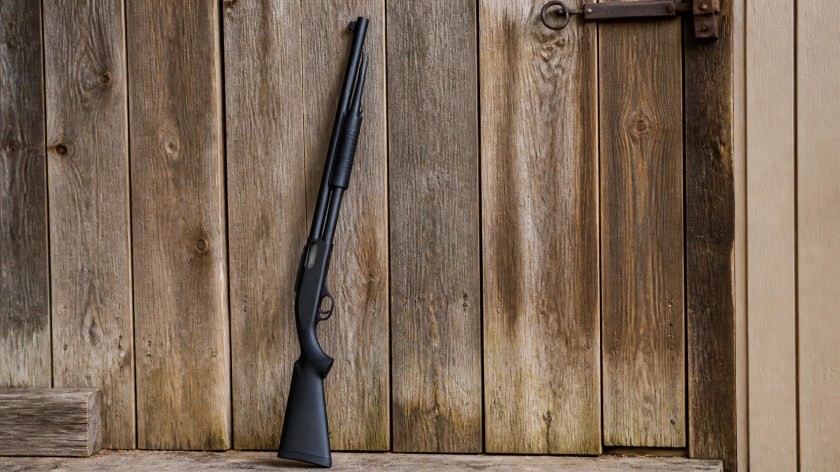
A realistic, professional photo of a budget-friendly pump-action shotgun leaning against a rustic wooden wall.

410 Slugs for Sale

For those who enjoy the challenge of a small-bore shotgun or own a Taurus Judge, finding 410 slugs for sale at a good price is essential. We carry everything from Winchester Super X to Brenneke slugs. These are perfect for small game or close-range varmint control. Check out our .410 slug selection here.

Close-up realistic photo of .410 gauge rifled slug shells sitting on a camouflage hunting vest.

Kel Tec PLR 16 Accessories

If you own a Kel-Tec PLR-16, you know it’s a unique, budget-friendly powerhouse. To get the most out of it, you’ll want to look into kel tec plr 16 accessories like the compact forend or a decent red dot. Adding a forend not only helps with heat management but also gives you more rail space for lights or lasers. You can find our Kel-Tec accessories here.

A realistic, high-detail photo of a Kel-Tec PLR-16 pistol with a mounted red dot sight and a tactical forend.

Training vs. Defense: The Golden Rule

Before we wrap up, there’s one rule you should never break: Don't use your "cheap" practice ammo for self-defense.

While brands like PMC and Magtech are incredibly reliable, they are designed for the range. For a carry gun, you want a dedicated defensive load with a projectile designed to expand. The smart way to handle this is to do 90% of your shooting with the affordable FMJ or LRN loads to build muscle memory, then finish your range session with a cylinder or two of your chosen carry ammo to ensure it still hits where you're aiming.

Final Thoughts

Choosing the best cheap 38 special ammo doesn't have to be a gamble. By sticking to reputable manufacturers, buying in bulk to snag that 5% discount, and taking advantage of our review program, you can keep your range days affordable and your shooting skills sharp.

At Wholesale Hunter, we’re more than just a store; we’re shooters ourselves. If you have questions about which load is right for your specific revolver, don't hesitate to reach out or check out our Caliber Dictionary for deep dives into ballistics and history.

Happy shooting!

7 Mistakes You’re Making with Your 9mm Survival Gear (and How to Fix Them)

Hey there, folks! Jason Marsh here, owner of Wholesale Hunter.

If you’re reading this, there’s a good chance you’ve already realized that the 9mm is the undisputed king of the "do-it-all" survival cartridge. Whether you’re rocking a compact carry piece, a full-sized duty pistol, or one of those handy pistol-caliber carbines (PCCs), the 9mm offers the perfect balance of manageable recoil, capacity, and effectiveness.

But here’s the thing: just owning a 9mm and a few boxes of ammo doesn't mean you're prepared for a survival situation. Over the years, I’ve seen hunters, preppers, and even seasoned shooters make the same handful of mistakes with their gear. These blunders can range from mildly annoying at the range to life-threatening in the field.

Today, we’re going to dive into the seven most common mistakes people make with their 9mm survival setups and, more importantly, how you can fix them before the stakes get high.

1. The "Bargain Bin" Holster Trap

I get it. You just spent a decent chunk of change on a Sig Sauer P365 or a reliable Glock 19, and you want to save a few bucks on the accessories. You see a generic nylon "one-size-fits-all" holster at a flea market or a big-box store and think, "Hey, it holds the gun, right?"

The Mistake: Generic or cheap holsters lack proper retention and trigger protection. In a survival scenario: whether you're trekking through the woods or moving through a crowded environment: a flimsy holster can allow your firearm to fall out or, worse, allow something to snag the trigger.

The Fix: Invest in a high-quality, model-specific holster. Whether you prefer Kydex or premium leather, the holster should "click" when you seat the firearm and completely cover the trigger guard. If you’re building a survival kit, look for something with active retention (like a thumb break or a locking lever) if you anticipate being physically active.

2. Using a "Walmart" Belt for a Combat Load

You can have the best holster in the world, but if it’s attached to a flimsy, $10 dress belt from a department store, your 9mm survival gear is going to fail you.

The Mistake: A standard belt isn't designed to support the weight of a loaded handgun plus spare magazines. It will sag, pull away from your body, and make the gun print like crazy. More importantly, it makes drawing the weapon slow and clunky because the belt flexes when you pull.

The Fix: Get a dedicated gun belt. These are reinforced with internal stiffeners (like kydex or steel) that distribute the weight of your gear around your waist. This keeps your 9mm exactly where you expect it to be when you reach for it. Trust me, your lower back will thank you after a full day of carrying.

Wholesale Hunter Logo

3. Mixing Up Training Ammo and Defensive Ammo

This is a big one. I see it all the time when folks are stocking up on 9mm ammo.

The Mistake: There are two types of people here: those who carry cheap Full Metal Jacket (FMJ) rounds for self-defense, and those who buy high-end Jacketed Hollow Points (JHP) but never actually fire them to see if they work in their gun. FMJ rounds are great for the range, but they tend to over-penetrate and don't expand, making them less effective for stopping a threat. On the flip side, some guns are picky and won't cycle certain brands of hollow points.

The Fix: Carry high-quality defensive JHP rounds in your magazines, but make sure you’ve fired at least 50 to 100 rounds of that exact load through your survival gun to ensure 100% reliability. While you're at it, don't forget to grab some cheap .38 special if you keep a snub-nose as a backup: training with your secondary is just as important!

4. Neglecting Magazine Maintenance (and Quality)

Your magazine is the heart of your semi-auto 9mm. If the magazine fails, you’ve basically got a very expensive, single-shot club.

The Mistake: People often buy the cheapest "no-name" magazines they can find to save money, or they leave the same magazines loaded for ten years without ever checking the springs or cleaning the feed lips. Dirt, pocket lint, and moisture can all cause a magazine to bind up.

The Fix: Stick to OEM (Original Equipment Manufacturer) mags or reputable brands like Magpul. For a survival setup, you want magazines that are proven to be rugged. Periodically rotate your carry magazines and give them a quick wipe-down. If you’re using a PCC, like a Kel-Tec SUB2000, make sure you have a variety of capacities, including some 33-rounders for those "just in case" moments.

High-capacity 9mm magazines and hollow point rounds on a workbench for survival gear maintenance.

5. The "Set It and Forget It" Maintenance Myth

Modern 9mm pistols are incredibly reliable. A Glock or a Sig can take a lot of abuse, but that doesn't mean they are immortal.

The Mistake: Many survivalists throw their gun in a "Go-Bag" or a holster and forget about it for months. Humidity can cause surface rust, and factory lubrication can dry out or gum up over time, especially in extreme temperatures.

The Fix: Establish a regular maintenance schedule. Even if you haven't fired the gun, take it out once a month, wipe it down, and apply a fresh drop of oil to the friction points. Keeping a compact cleaning kit, like a Hoppe’s Gun Cleaning Kit, in your survival bag is a must. A clean gun is a happy gun, and a happy gun saves lives.

6. Overlooking Low-Light Capabilities

Bad things rarely happen in broad daylight under perfect conditions. Most defensive encounters and survival situations happen in low-light or no-light environments.

The Mistake: Carrying a 9mm survival pistol without a dedicated light source. If you can’t identify your target, you shouldn’t be pulling the trigger. Relying solely on your phone's flashlight or a handheld light you have to fumble for is a recipe for disaster.

The Fix: If your 9mm has a rail, mount a quality weapon-light (WML). This allows you to keep both hands on the gun while illuminating the threat. If you prefer a more streamlined setup, at least ensure your pistol has high-visibility night sights. Being able to see your front sight in the dark is a game-changer.

Modern 9mm handgun with a tactical weapon-mounted light for low-light survival training.

7. Lack of Realistic Training

This is perhaps the biggest mistake of all. Shooting at a static paper target 7 yards away while standing perfectly still is not "survival training."

The Mistake: Developing a false sense of security because you can "punch cloverleafs" at the local indoor range. In a real survival situation, your heart rate will be 150 beats per minute, your hands will be shaking, and you might be moving or behind cover.

The Fix: Get out of your comfort zone. Take a defensive pistol course. Practice drawing from your actual survival holster while wearing your "Go-Bag." Practice one-handed shooting and clearing malfunctions. If you're using a 9mm carbine, practice transitioning from your rifle to your handgun. The goal is to make the operation of your gear muscle memory so your brain can focus on the situation at hand.

Shooter practicing dynamic defensive drills with a 9mm pistol at an outdoor tactical range.

Bonus Tip: Don't Forget the Spare Parts!

In a long-term survival scenario, you might not have access to a gunsmith. Small things like recoil springs, trigger springs, or extractor pins can break. Keeping a small "spare parts" baggy for your specific firearm is a pro move that most people overlook. For example, if you're running a 1911 in 9mm, having an extra recoil spring can keep you in the fight.

Wrapping It Up

The 9mm is a fantastic tool for survival, but like any tool, it’s only as good as the system around it and the person operating it. By avoiding these seven common mistakes: getting a real holster and belt, choosing the right ammo, maintaining your mags and gun, prepping for low light, and training realistically: you’re putting yourself miles ahead of the average person.

At Wholesale Hunter, we’re committed to getting you the gear you need at prices that won't break the bank. Whether you're looking for 9mm bulk ammo, a new concealed carry piece, or the cleaning supplies to keep it all running, we've got your back.

Stay safe out there, keep training, and as always, happy hunting!

: Jason Marsh
Owner, Wholesale Hunter