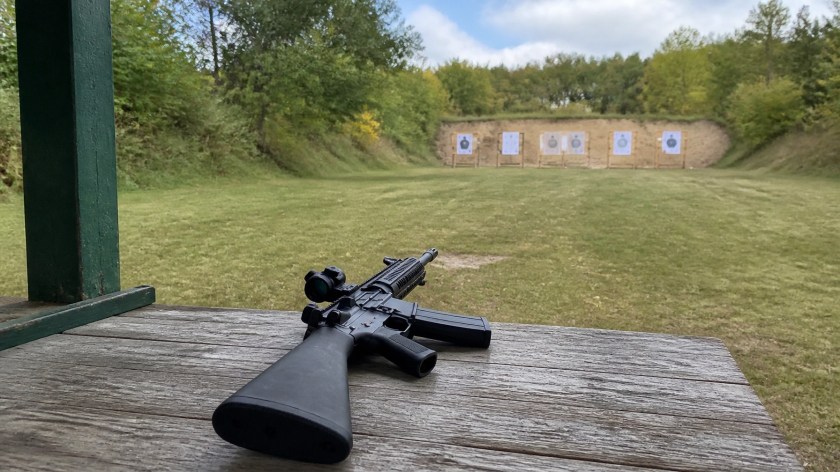
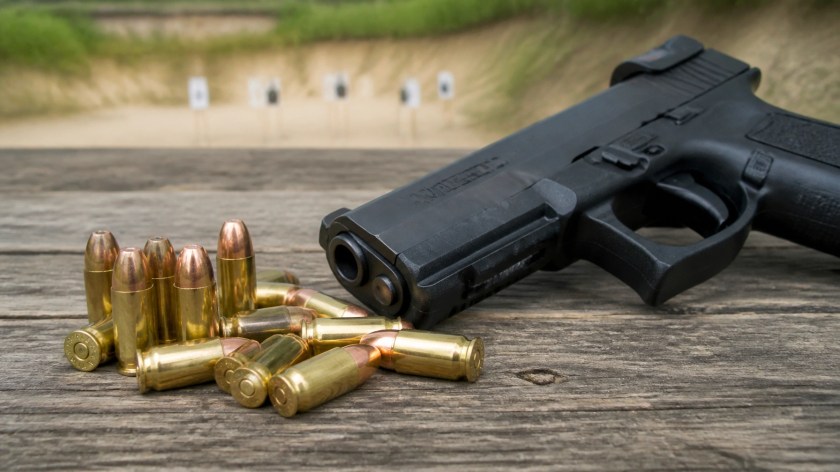
5 Dry Fire Drills to Sharpen Your 9mm Accuracy at Home (No Ammo Needed)

Let’s face it: ammunition prices can add up fast. Whether you are prepping for your next weekend at the range, sharpening your defensive shooting skills, or simply trying to maintain your muscle memory during a busy work week, heading to the range for live-fire practice isn't always convenient or budget-friendly. Fortunately, you don't need to burn through expensive boxes of range ammo to become a better shooter.

In fact, some of the best competitive shooters and firearms instructors in the world swear by dry fire training. By focusing strictly on your mechanics: grip, trigger control, and sight alignment: without the distraction of recoil or muzzle blast, you can build unbreakable habits right in your living room. At Wholesale Hunter, we’ve been equipping firearms enthusiasts and hunters since 1998, and we know that mastering your pistol fundamentals starts at home.

In this guide, we’ll walk you through 5 proven dry fire drills tailored specifically for 9mm pistols that will dramatically improve your accuracy, all without spending a single penny on live rounds.


The Golden Rules of Dry Fire Safety

Before we jump into the drills, safety is absolute and non-negotiable. Because you will be handling a firearm in a non-range environment, you must establish strict protocols:

  1. Clear the Chamber Completely: Drop your magazine and rack the slide multiple times. Visually and physically inspect the chamber and magazine well to ensure your 9mm pistol is 100% empty.
  2. Isolate Your Training Area: Remove all live ammunition from the room entirely. Never mix live rounds with dry fire practice.
  3. Use Dummy Rounds or Snap Caps: While optional, snap caps or dummy cartridges help cushion your firing pin and allow you to safely cycle your pistol's action during drills.

Once your workspace is completely secure, you are ready to begin.


1. The Wall Drill (Trigger Control & Sight Stability)

The wall drill is the undisputed king of trigger control exercises. The goal here is to learn how to press the trigger straight to the rear without disturbing your sight picture by even a fraction of a millimeter.

Setup

Stand approximately one arm’s length away from a blank, neutral wall with your muzzle pointing safely toward it, just an inch or two away. Using a plain wall eliminates visual distractions so you can focus entirely on your sights.

The Drill

Establish your standard, firm two-handed grip and natural shooting stance. Focus your eyes sharply on your front sight, completely ignoring the wall in front of you. Begin a slow, continuous, and deliberate trigger press. Watch your front sight like a hawk. Your goal is zero movement of the sight as the striker drops or the hammer falls. If your front sight dips, pulls left, or pushes right, stop immediately, reset, and analyze what your finger and hand muscles did wrong.

Reps

Perform 25 to 50 slow, perfect trigger presses per session. Quality always beats quantity here.


Close-up of proper two-handed grip and trigger placement during dry fire

2. The Dot Drill (Precision on a Small Target)

Once you have mastered the wall drill, it is time to test your fine sight alignment against a specific aiming point.

Setup

Take a small sticker, a colored Post-it note, or draw a one-inch black dot on a piece of paper and place it at eye level on a wall across the room (about 3 to 5 yards away if space permits).

The Drill

Assume your stance and align your front sight dead-center in the rear notch, placing that crisp front sight directly on top of the dot. Begin a smooth, controlled trigger press while maintaining that perfect alignment. If you notice your sights drifting off the dot mid-press, do not force the shot: pause, correct your alignment, and finish the press. Once the shot breaks, hold your sight picture completely still for two full seconds before lowering the firearm. This follow-through habit prevents you from dropping your gun the moment the shot goes off.

Reps

Run 5 deliberate presses per dot. Use multiple dots on the wall to transition your focus between different aiming points.


3. The Coin / Penny Balance Drill (Grip & Trigger Discipline)

If you struggle with jerking the trigger or clenching your shooting hand at the last second, this classic drill will expose your flaws instantly.

Setup

Find a small coin: like a penny or a dime: and carefully balance it flat on top of your pistol's slide or front sight housing while you are in a safe, standard shooting stance.

The Drill

Pick a small target or light switch on the wall. Apply smooth, steady pressure to the trigger until the action clicks. The challenge is simple: keep the coin balanced on your pistol without letting it slide off or fall to the floor. If the coin drops, it means your grip is shifting or your trigger finger is pushing the gun off target. Reset, adjust your hand pressure, and try again until you can achieve a completely undisturbed trigger break.

Reps

Aim for 10 to 20 successful presses where the coin stays balanced.
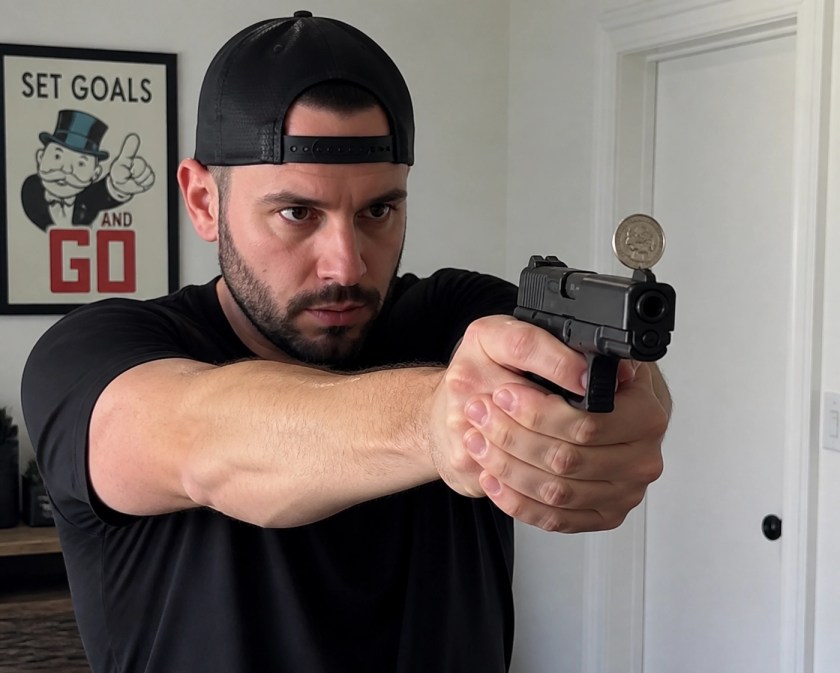

Balancing a coin on a 9mm pistol during stability training

4. The Draw-to-First-Shot Drill (Presentation & First-Hit Accuracy)

For self-defense shooters and concealed carry permit holders, your very first shot out of the holster or ready position is the most critical one.

Setup

Set up a small target or dot at eye level on your wall. Ensure your unloaded pistol is safely secured in your holster or held at a low-ready position.

The Drill

On your mental "go" cue, build a firm, aggressive grip right inside your holster. Draw the pistol smoothly, bringing it straight up along your eye-target line rather than "bowing" or looping the muzzle. As the gun reaches extension, snap your focus onto the front sight and press the trigger once with a clean, confident motion. Focus heavily on a consistent grip every single time and an efficient, straight-line presentation.

Reps

Start with 10 to 15 slow reps, prioritizing absolute smoothness over speed. As your muscle memory improves, you can introduce a shot timer to track your presentation speed.


5. The Target Transition Drill (Eyes-Lead, Gun-Follows)

Defensive and practical shooting often requires engaging multiple targets spread across different angles. This drill trains your eyes and hands to work together efficiently.

Setup

Place two or three small target stickers on the wall horizontally, spaced about three to four feet apart.

The Drill

Aim at the first target, settle your sight picture, and press the trigger once. The moment the "shot" breaks, immediately snap your eyes to the second target before moving the gun. Let your eyes lead the way, and drive the pistol smoothly to wherever your eyes are looking. Once the sights settle on target number two, press the trigger again. Move sequentially across all targets and back.

Reps

Run 5 to 10 full sequences. Keep your movements controlled and deliberate; speed will naturally follow once your technique is dialed in.


Arrangement of 9mm ammunition and a handgun ready for the range

Gearing Up for Range Day: Stocking Up and Exploring Related Gear

Dry fire practice is an incredible tool, but eventually, you’ll want to test your newfound skills at the live-fire range. When that day arrives, Wholesale Hunter has you covered with incredible deals on factory-fresh 9mm Luger ammunition, including popular training loads like the Winchester 9mm Luger 115gr WinClean and bulk options to keep your range bag fully stocked. Don't forget that we offer a 5% discount when you buy 10 or more boxes of ammunition, helping you stretch your shooting budget even further!

While you are upgrading your shooting gear, it's also worth exploring our wider catalog. If you are looking to expand your collection beyond handguns, we feature an impressive selection of budget-friendly 5.56 NATO rifles for rifle enthusiasts, as well as specialized tactical accessories like Kel Tec PLR 16 accessories for custom builds and range versatility.

Final Thoughts: Consistency is Key

You don't need hours of free time to become a sharper, more accurate shooter. Dedicating just 10 to 15 minutes, three times a week, to these dry fire drills will transform your muscle memory, refine your trigger control, and dramatically tighten your groups when you finally step up to the firing line.

Ready to stock up on gear for your next range session? Explore our massive inventory of firearms, optics, and ammunition today at Wholesale Hunter. Take advantage of our flexible payment options through Sezzle to buy now and pay later with zero interest, and join our customer review rewards program to earn 5% off your next order!


5 Shooting Range Essentials Every Beginner Needs (On a Budget)

Stepping onto the shooting range for the very first time is an incredible thrill. Whether you’ve recently picked up your first firearm or you’re tagging along with an experienced friend, that first range trip brings a mix of excitement and anticipation. But if you’ve spent any time browsing online forums or gear catalogs, it’s easy to feel overwhelmed. You might think you need tactical vests, high-end electronic ear muffs, and custom range carts just to spend an hour punching paper.

Here’s the good news: you don’t need to break the bank to have a safe and successful range day.

At Wholesale Hunter, we’ve been helping shooters, hunters, and outdoor enthusiasts gear up since 1998. We know that starting out on a budget matters. That’s why we always offer competitive wholesale pricing, free shipping on all long guns, and handy perks like our bulk ammunition discount: where you get 5% off when you buy 10 or more boxes of ammo. Plus, if you want to spread out your gear investment, you can take advantage of our flexible payment options through Sezzle to buy now and pay later with zero interest.

To help you get started without wasting cash on unnecessary gadgets, here are the 5 shooting range essentials every beginner needs on a budget.


1. Quality Eye and Ear Protection (Safety First)

A neatly organized budget shooting range bag with safety glasses, foam earplugs, and targets

If there is one area where you should never compromise: even on a tight budget: it is safety. Most shooting ranges strictly require both eye and ear protection before you even step foot past the counter.

Fortunately, protection doesn't have to be expensive.

  • Eye Protection: Look for ANSI-rated clear or tinted safety glasses. You can easily pick up a reliable pair at a local hardware store or sporting goods outlet for just a few dollars. They protect your eyes from powder residue, brass casings flying from adjacent lanes, and target debris.
  • Ear Protection: For budget-conscious beginners, basic foam earplugs or inexpensive over-the-ear passive muffs will do the job wonderfully. Foam plugs offer a high Noise Reduction Rating (NRR) when inserted correctly. If you want a bit more comfort, you can double up by wearing foam plugs underneath a simple pair of ear muffs.

Once you get hooked on shooting, you can always upgrade to electronic earmuffs down the road. For your first trip, basic protection keeps your senses safe while leaving plenty of room in your wallet.


2. A Simple, Durable Range Bag (Or a Backpack You Already Own)

You don't need a heavy-duty, multi-compartment tactical range bag plastered in MOLLE webbing for your first trip. In fact, most beginners already have a suitable substitute sitting in their closet: a sturdy standard backpack or a simple duffel bag.

Your range bag simply needs to carry your gear safely and keep things organized. When packing, make sure to separate your ammunition from your firearms, keep your eye and ear protection easily accessible, and pack a small pocket for your range paperwork or photo ID (which ranges always require at check-in).

When you're ready to upgrade to a dedicated range bag with heavy-duty zippers and dedicated pistol sleeves, you'll find plenty of options online, but a basic backpack is 100% sufficient for day one.


3. The Right Ammunition (Stocking Up Smart)

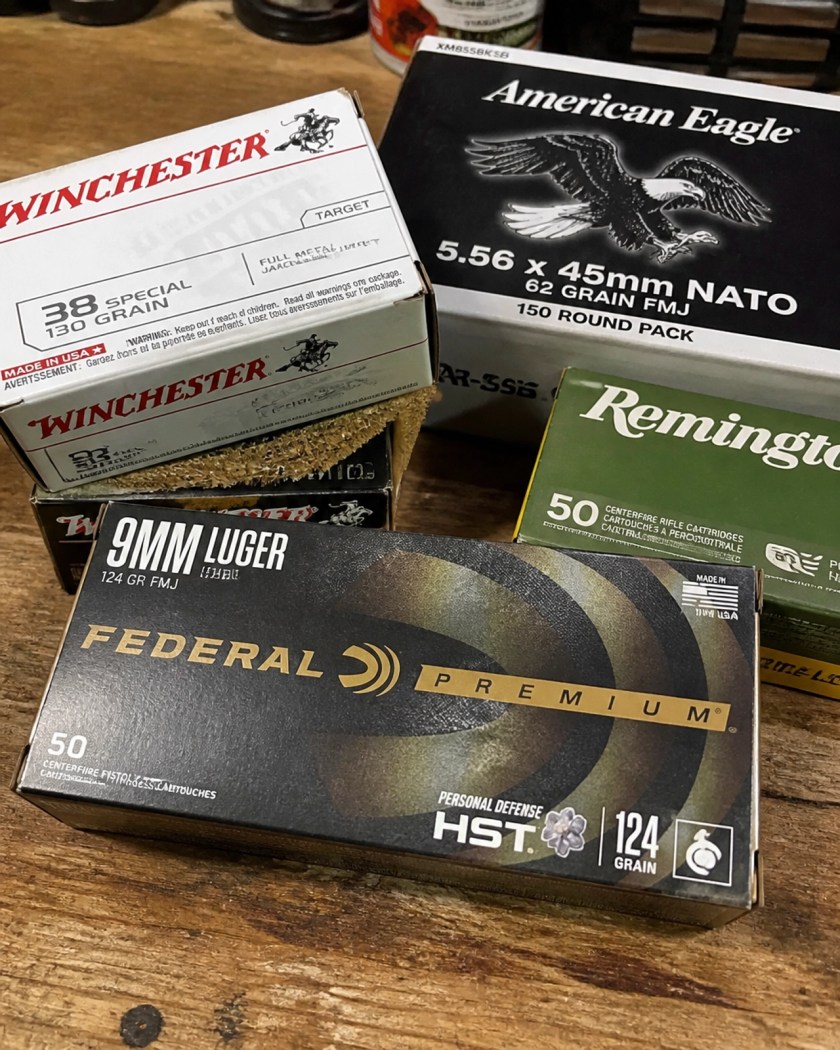
Close up of various centerfire ammunition boxes on a wooden workbench

Ammo is your biggest recurring expense at the range, which makes smart purchasing essential. Before you buy, always double-check the exact caliber your firearm requires.

  • Handgun Practice: If you shoot a standard semi-automatic pistol, standard full metal jacket (FMJ) 9mm ammunition is your best friend. It’s widely available, affordable, and perfect for punching paper targets.
  • Rifle Training: For modern sporting rifles, standard 5.56 NATO or .223 Remington rounds are standard issue. Look for reliable 55-grain or 62-grain FMJ training loads that won't strain your budget.
  • Expanding Your Caliber Collection: As you branch out into classic wheelguns or versatile platforms, you can often find great deals on cheap 38 special ammo for revolver practice, or keep an eye out for specialty rounds like 410 slugs for sale if you enjoy versatile shotgun fun.

Remember Wholesale Hunter's golden rule for ammo: when you buy 10 or more boxes of ammunition, you automatically unlock a 5% bulk discount. Stocking up on your favorite practice loads all at once is one of the easiest ways to keep your range sessions affordable week after week.


4. Paper Targets, Tape, and a Marker

You don't need expensive reactive steel targets, electronic pop-up targets, or sophisticated dueling trees when you're starting out. Standard paper targets are cheap, effective, and available at almost every indoor and outdoor range (or in budget packs online).

To make the most of your target session, toss these inexpensive accessories into your bag:

  • Target Pasties or Masking Tape: Instead of buying a brand-new target every 20 rounds, cover up your previous bullet holes with tape so you can keep shooting the same target.
  • A Stapler or Push Pins: If you're heading to an outdoor range where target backers are made of cardboard or wood, a simple handheld stapler is a lifesaver.
  • A Permanent Marker (Sharpie): Use different colored markers to track separate target groups or label your shots as you adjust your aim. It's a fantastic, low-tech way to measure your improvement over time.

5. Firearm, Magazines, and Maintenance Basics

A budget shotgun resting securely on a shooting bench at an outdoor range

Naturally, you need something to shoot! Whether you bring your own firearm or rent one at the facility, ensure it is securely transported in a zippered case or holster (most ranges require firearms to be completely unloaded and cased until you are at your designated lane).

If you are building out your collection on a budget, versatility is key. Many new shooters love starting with reliable budget shotguns: such as pump-action 12-gauges: because they are affordable, incredibly durable, and fun for everything from clay pigeon shooting to home defense practice.

As your collection grows, you might find yourself exploring fun firearm platforms and customizing them with various upgrades. For instance, rifle enthusiasts often love looking for unique kel tec plr 16 accessories to trick out their compact setups.

Finally, don't forget a basic cleaning cloth and a small bottle of gun oil. Taking five minutes to wipe down your firearm after a range session keeps everything running smoothly and extends the life of your gear for years to come.


Ready to Hit the Range?

Getting into shooting sports doesn't require a bottomless bank account. By focusing on the absolute essentials: reliable safety gear, a simple bag, the right ammunition, basic targets, and your firearm: you can enjoy a fantastic day at the range without any financial stress.

At Wholesale Hunter, we’re proud to support shooters at every stage of their journey. Remember to take advantage of our free shipping on all long guns, stock up on your favorite practice rounds to enjoy our 5% bulk ammo discount on 10+ boxes, and check out our customer review rewards program to score 5% off your next order.

Gear up smart, practice safe habits, and we’ll see you at the range!

Range Etiqueеte 101: 10 Unwritten Rules Every Shooter Should Know

Getting ready for a trip to the shooting range is always exciting. Whether you are unboxing a brand-new firearm, sighting in your favorite optic, or just heading out to burn through a few boxes of 9mm target loads, there is nothing quite like the sound of steel ringing downrange. But if it’s your first time visiting a public or club range, or even if you’re a seasoned vet looking to brush up on good habits, stepping onto the firing line comes with more than just the official rulebook.

Beyond the posted safety signs and the Range Officer's clipboard, there is an entire culture of unwritten rules. These guidelines aren't there to make you nervous; they’re designed to keep everyone safe, foster camaraderie, and ensure that every single shooter has an awesome, stress-free day. Think of this as a friendly heads-up from an experienced shooting buddy before you pack your range bag.

Let’s dive into the 10 unwritten rules of range etiquette every shooter should know!


1. Muzzle Discipline is King (Always and Everywhere)

You probably already know the golden safety rules (treat every gun as loaded, never point at anything you don't intend to destroy), but at a public range, muzzle discipline takes on a whole new social dimension.

Your muzzle must always be pointed downrange toward the backstop, even when you are unboxing your firearm, setting it on the bench, or walking away from your lane. Never turn around to talk to a friend while holding a firearm, even with the action locked open. If you need to clear a malfunction or show your setup to a neighbor, keep the barrel planted firmly toward the targets. Keeping everyone around you comfortable is the number one priority.

Safe firearm handling at a shooting range bench

2. Know and Respect Range Commands

Every range has its own rhythm governed by commands, whistles, or buzzers. The two big ones you need to memorize immediately are "HOT" and "COLD".

  • "Hot" Range: The firing line is live. You may load, aim, and fire your firearms. Absolutely no one is allowed forward of the firing line.
  • "Cold" Range: Firing has stopped. Firearms must be completely unloaded, actions locked open, and placed safely on the bench with chambers visible. Only during a declared "cold" range can shooters walk downrange to hang, inspect, or retrieve paper targets.

Never assume a range is cold just because someone stopped shooting. Wait for the explicit command from the Range Safety Officer (RSO) or the designated line captain before touching your targets or stepping past the yellow line.

3. Keep Your Lane Organized and Tidy

A cluttered shooting bench is a recipe for dropped gear, fumbled magazines, and safety headaches. Whether you’re shooting centerfire rifle rounds like 5.56 NATO out of an AR platform or testing out a classic revolver with cheap 38 special loads, keep your workspace neat.

Designate a specific spot on your bench for your ammunition boxes, ear protection, shooting glasses, and tools. When you finish a magazine or box, toss the empties aside rather than letting them roll into your neighbor’s lane. A tidy lane shows respect for your gear and for the person shooting right next to you.

Organized shooting lane with ammunition boxes and gear

4. Never Touch Someone Else’s Gear Without Asking

Gun owners love showing off their hardware. If you see someone at the next lane shooting a gorgeous lever-action rifle, a custom pistol, or one of those popular budget shotguns you’ve been eyeing online, it is completely natural to be curious.

However, never reach over and pick up, touch, or adjust someone else's firearm or optics without a clear, verbal invitation. Even if a gun is sitting on the bench during a cease-fire, it is considered private property and personal space. If you want to ask about their setup or how a particular optic performs, wait for a natural pause in their shooting, smile, and ask politely: "Hey, mind if I ask what model optic you're running on that?" Nine times out of ten, they’ll be thrilled to talk shop.

5. Be Mindful of Noise and Muzzle Blast

Shooting ranges are inherently loud places: that’s why we all wear electronic or foam ear protection! But different calibers and firearm configurations create vastly different concussive blasts.

If you are shooting a short-barreled rifle, a large-bore magnum, or a ported muzzle brake, be aware of how your blast affects the shooters in adjacent lanes. While nobody expects you to apologize for shooting your favorite rifle, being courteous means giving your neighbors a quick heads-up before lighting off something particularly thunderous. Conversely, if you notice someone next to you concentrating deeply on precision grouping with a mild-mannered rimfire or revolver, try to time your rapid-fire strings for when they are taking a break.

6. Respect Cease-Fires and Go Downrange Safely

When the line goes cold and everyone steps back from the bench, it’s time to check targets. If you need to go downrange, walk: don't run: and keep your hands away from any gear.

Never handle any firearm while people are downrange, even if it is completely unloaded and cased. If you choose to stay behind the firing line while others walk downrange, step well back from the benches and keep your hands off the shooting tables entirely. This signals clearly to the RSO and returning shooters that everyone is safe and no one is accidentally tampering with a firearm while people are downrange.

7. Clean Up After Yourself Before You Leave

Nobody likes inheriting a mess. When your range session wraps up, taking five minutes to police your area is a cornerstone of good shooter etiquette.

  • Pick up your spent brass (unless the range specifically collects it or has different rules).
  • Take down your used cardboard or paper targets and drop them in the trash bins.
  • Throw away empty ammo boxes, drink cups, and wrappers.
  • Return any range-owned target stands or blocks to their proper storage area.

Leaving your lane spotless makes life easier for the range staff and guarantees that the next shooter has a great start to their day.

Shooter cleaning up brass and targets after a range session

8. How to Ask for Help Politely

Everyone was a beginner once. If you’re struggling to clear a stubborn jam, figuring out how to adjust your front sight, or confused about where your targets should be placed, don’t try to muscle through it unsafely.

The polite way to get help is to lock your firearm open, place it safely on the bench pointing downrange, step back, and catch the eye of an RSO or staff member during a quiet moment. Raise your hand politely or speak in a calm, clear voice: "Excuse me, sir/ma'am, I’m having a bit of trouble with this feed ramp: could I get a quick second of your advice?" Range officers and experienced shooters are almost always happy to lend a helping hand to someone dedicated to learning the right way.

9. When and How to Call a Range Officer

Range Safety Officers are there for your protection, but they can't see everything at once. You should notify an RSO immediately if you observe:

  • Someone handling a firearm while the line is cold and people are downrange.
  • Unsafe muzzle sweeps or erratic behavior.
  • Equipment failures or structural issues with the target carriers or baffles.

When getting the RSO's attention, stay calm, speak clearly, and avoid shouting panic-inducing commands unless there is an immediate emergency (in which case, shouting "CEASE FIRE!" loudly is everyone's responsibility). Let the trained staff handle the correction.

10. Pace Yourself and Respect Time Limits

If a range is busy and there’s a waiting list for lanes, practicing good etiquette means not hogging your position indefinitely. While it's tempting to spend hours perfecting your stance, be mindful of fellow shooters waiting patiently behind the yellow line.

Pace your strings of fire, take breaks to reload your magazines off the active bench if necessary, and if there's a posted time limit per lane, respect it cheerfully. If you want to spend the entire afternoon testing gear at your own leisure, consider visiting during off-peak weekday hours when the pressure is off.


Ready for Your Next Range Trip?

Following these unwritten rules ensures that everyone leaves the range smiling, safe, and eager to come back. And when you're stocking up for your next outing, Wholesale Hunter has you covered with everything from bulk 9mm and 5.56 NATO practice rounds to cheap 38 special loads and budget shotguns.

Don't forget to take advantage of our customer perks: free shipping on all long guns, flexible payment options through Sezzle, automatic 5% off when you buy 10+ boxes of ammunition, and our review rewards program! Pack your range bag, practice your etiquette, and we'll see you on the firing line.

Top Kel-Tec PLR-16 Accessories and Upgrades for Your Range Setup

There is something undeniably exhilarating about heading to the local shooting range for a weekend training session. Whether you are running drills from the holster, zeroing in a new optic, or simply punching paper with friends, having the right gear makes all the difference. If you have recently added a unique firearm like the Kel-Tec PLR-16 to your collection, you know it is a massive head-turner on the firing line. Combining rifle-caliber performance in a compact pistol platform, it offers an incredible shooting experience: provided you kit it out correctly!

At Wholesale Hunter, we have been helping outdoor enthusiasts and sport shooters gear up since 1998. Today, we are diving deep into the best Kel Tec PLR 16 accessories, essential range etiquette, training tips, and how to round out your ultimate range day by pairing your rifle-pistol with reliable 9mm handguns and versatile budget shotguns.


1. Why the Kel-Tec PLR-16 Shines at the Range

Before diving into aftermarket gear, let's look at why the PLR-16 is such a fun range companion. Chambered in .223/5.56 NATO and utilizing standard AR-15/STANAG magazines, it delivers serious velocity out of a compact 9-inch barrel. However, that short barrel also generates a hefty muzzle blast and noticeable flash.

To turn this fiery little powerhouse into a comfortable, accurate range shooter, you need to manage recoil, heat, and sighting. Let's explore the top upgrades that transform your PLR-16 shooting experience.


2. Essential Kel Tec PLR 16 Accessories for Control and Comfort

When you are spending a few hours at the range, ergonomics and muzzle control are everything. Here are the top accessories you should consider for your setup:

The Kel-Tec Compact Forend

Out of the box, the PLR-16 can get quite warm during extended string fires. The factory compact forend not only adds crucial heat shielding for your support hand but also provides integrated Picatinny rail space. This allows you to mount accessories securely while improving overall balance and grip.

Muzzle Brakes and Linear Compensators

Because of the 9-inch barrel, the PLR-16 barks loudly and pushes upward with every trigger pull. Upgrading to a quality muzzle device: such as a dedicated muzzle brake or a linear compensator: makes a world of difference. A linear compensator is particularly popular for indoor or crowded outdoor ranges because it pushes blast and sound forward, away from you and your fellow shooters.

Upgraded Charging Handles and Deflectors

Managing the action smoothly is key during rapid-fire drills. Many shooters swear by an extended charging handle or dynamic deflector handle. It keeps spent brass and gas cleanly directed away from your face and hands, making your range sessions much more enjoyable.


3. Sighting In: Optics and Red Dots for Precision

Adjusting a micro red dot sight

While the factory iron sights get the job done, the PLR-16 begs for a crisp, fast optic. Because of the integrated top Picatinny rail, mounting a lightweight micro red dot sight is an absolute game-changer.

When choosing an optic for your range setup, keep weight in mind to maintain the pistol's nimble feel. Pairing your red dot with a small riser can also provide a much more natural head position and field of view. Take your time zeroing it in at 25 or 50 yards, and you will be amazed at how accurately this compact platform can group rounds. Check out our latest gear selections over at our Wholesale Hunter brand collection to find optics, mounts, and tactical essentials.


4. Range Etiquette, Safety, and Training Tips

Shooting ranges are fantastic communities, but safety and etiquette are paramount: especially when firing high-blast firearms like the PLR-16. Here are a few golden rules to keep the line safe and friendly:

  • Communicate with Your Neighbors: Because a .223 pistol creates a sharper concussive blast than standard rimfires or pistol-caliber carbines, give your neighbors a heads-up before you start a string of rapid fire.
  • Know Your Stance and Hold: A lightweight pistol with a rifle caliber requires a firm, confident grip. Practice proper extension and tension to keep muzzle rise predictable.
  • Keep Your Workspace Clean: Organize your range bag with designated pouches for magazines, eye and ear protection, and cleaning cloths. If you are looking for sturdy transport options, browse through our Wholesale Hunter camping and outdoor gear search to find rugged bags and utility storage.
  • Respect Cold Range Protocols: Always lock your action open, remove magazines, and step behind the yellow safety line whenever the range goes cold for target changes.

5. Rounding Out Your Range Day: 9mm Pistols and Budget Shotguns

A well-rounded range bag rarely features just one firearm. To keep training dynamic and fun, many shooters bring along a mix of calibers and platforms.

The Versatility of 9mm

After working on precision drills with your PLR-16, transitioning to a reliable 9mm handgun offers fantastic practice for defensive shooting fundamentals, trigger control, and rapid target acquisition. Plus, 9mm ammunition is widely available, cost-effective for high-volume training, and pairs wonderfully with bulk ammo discounts when you stock up on 10 or more boxes.

Adding Budget Shotguns to the Mix

Nothing beats the sheer satisfaction of busting clay pigeons or running defensive drills with a scattergun. If you want to add smoothbore fun to your collection without breaking the bank, exploring dependable budget shotguns is a great move. A solid pump-action or semi-auto shotgun introduces a completely different manual of arms to your range routine, testing your recoil management and reaction time in new ways. You can find incredible firearm deals directly on our Wholesale Hunter Product Details Page to see what's currently in stock.


6. Range Bag Gear and Maintenance Essentials

Firearm maintenance gear on workbench

A great range day doesn't end when the shooting stops: proper maintenance is key to keeping your gear running flawlessly. High-round-count sessions mean carbon buildup on your gas block, barrel threads, and bolt carrier group.

Pack a compact cleaning kit in your range bag along with quality CLP, microfiber towels, and spare earplugs. Taking five minutes to wipe down your PLR-16 and your other range firearms before packing up ensures they are ready for your next weekend outing.


7. Conclusion: Build Your Ultimate Range Setup Today

Outdoor shooting range setup

The Kel-Tec PLR-16 is a fantastic, highly customizable firearm that injects plenty of excitement into any range day. By investing in the right accessories: like a compact forend, an effective muzzle device, and a crisp red dot: you can tame its bark and dial in exceptional accuracy. Combine that with smart range etiquette, solid training drills, and a diverse range bag featuring your favorite 9mm handguns and budget shotguns, and you are guaranteed an unforgettable time at the range.

Ready to upgrade your gear? Explore everything we have to offer at Wholesale Hunter and take advantage of our competitive pricing, free shipping on long guns, and bulk ammunition discounts today!

Budget Shotguns and Affordable Ammo: Getting Started with .410 Slugs & 38 Special

Getting into shooting sports, hunting, or home defense doesn’t mean you have to drain your bank account. Whether you are buying your very first firearm or adding a reliable, low-recoil option to your safe, the secret to longevity in this hobby lies in smart, economical choices. At Wholesale Hunter, we have been helping outdoor enthusiasts gear up since 1998, and we know that balancing quality with affordability is a top priority for shooters across the country.

In this guide, we are diving into the world of budget shotguns, exploring the surprising utility of the .410 bore when looking for 410 slugs for sale, and highlighting why cheap 38 special ammunition remains a cornerstone for revolver owners and target shooters alike. Let’s break down how you can build an effective, budget-friendly setup without cutting corners on safety or performance.


Entering the Shooting Sports: The Appeal of Budget Shotguns

When new shooters ask about getting their first long gun, the recommendation often lands on a versatile shotgun. Why? Because a good scattergun can handle everything from clay targets and upland birds to home defense and small-game hunting. However, premium tactical or competition shotguns can easily cost a small fortune.

Fortunately, the market is full of rugged, dependable budget shotguns that won't break the bank. Single-shot break-action models, reliable pump-actions, and entry-level semi-automatics from trusted manufacturers offer incredible value.

Why Choose a Budget Shotgun?

  1. Simplicity and Reliability: Many budget options (especially single-shot and pump-action models) feature mechanical simplicity. Fewer moving parts often mean fewer points of failure and easier maintenance for beginners.
  2. Affordable Entry Point: You can pick up a dependable entry-level shotgun for a fraction of the cost of high-end sporting pieces, leaving room in your budget for practice ammunition, cleaning supplies, and range time.
  3. Multi-Discipline Utility: With the right ammunition selection, a single budget shotgun can transition from a pest-control tool on the farm to an enjoyable weekend clay breaker at the local range.

When shopping for your next firearm, browsing our dedicated selection via our Wholesale Hunter catalog search is a great place to start comparing options that fit your exact needs and price range.

Close-up of .410 bore rifled slugs and shotgun shells on a wooden shooting bench


The Mighty Mini: .410 Bore Versatility and Finding .410 Slugs for Sale

While 12-gauge and 20-gauge shotguns get most of the spotlight, the humble .410 bore deserves a special place in every shooter's collection. Characterized by its slender hull and remarkably light recoil, the .410 is an absolute joy to shoot. For smaller-framed shooters, youth, or anyone sensitive to heavy recoil, it provides a comfortable shooting experience without sacrificing utility.

Why .410 Slugs Matter

While birdshot and target loads are fantastic for small game and clays, the real magic happens when you load up with rifled slugs. A .410 slug delivers surprising terminal ballistics at close-to-moderate ranges, making it a viable option for deer hunting in dense brush or predator control around rural properties.

If you are currently hunting for reliable 410 slugs for sale, you want to look for trusted loads: such as Federal Power-Shok or Winchester Super-X rifled slugs: that offer consistent velocity and dependable expansion. Because .410 ammunition can sometimes be harder to source in local brick-and-mortar shops, checking online inventories is the most efficient way to secure what you need.

To stock up on your favorite loads, explore our comprehensive Wholesale Hunter shotgun ammunition section, where you can find various shell lengths, shot sizes, and slug options ready for your next trip to the woods or range.


Stepping Into Handguns: Why Cheap 38 Special is a Beginner's Best Friend

If your outdoor pursuits or home defense strategy also include a handgun, wheelguns: specifically revolvers chambered in .38 Special: reign supreme for simplicity, safety, and ease of use. There are no magazines to load, no slide jams to clear, and operation is as straightforward as point and pull.

However, shooting regularly to build proficiency can get expensive if you are constantly buying premium defensive rounds. That is why finding cheap 38 special ammunition is essential for regular practice.

The Benefits of Training with Affordable .38 Special Ammo

  • Manageable Recoil: Unlike snappy subcompact 9mm pistols or heavy magnum revolvers, a steel-framed .38 Special revolver paired with standard pressure loads offers gentle, predictable recoil that helps new shooters avoid flinching.
  • Cost-Effective Range Sessions: Bulk-packaged target loads in .38 Special allow you to spend hours at the range working on sight alignment and trigger control without breaking the bank.
  • Versatility: You can practice affordably with standard wadcutters or round-nose lead bullets, then easily transition to +P defensive hollow points when carrying for personal protection.

Whether you are stocking up on practice rounds or looking for defensive cartridges, checking out the latest centerfire options on our Wholesale Hunter centerfire handgun ammunition page ensures you get great pricing on trusted brands.

Classic .38 Special revolver sitting on a leather holster with affordable ammunition rounds


Smart Buying Tips: How to Save More on Firearms and Ammo

At Wholesale Hunter, we believe that enjoying the shooting sports shouldn’t require a blank check. Here are a few insider tips to help you maximize your purchasing power:

1. Take Advantage of Bulk Ammunition Discounts

If you shoot regularly: and let's be honest, practice makes perfect: buying by the box can quickly add up in costs. Look for bulk ammo discounts where buying 10 or more boxes gives you instant percentage savings (such as our popular 5% bulk discount). Whether you're buying .410 shells or centerfire handgun rounds, buying in volume lowers your per-round cost significantly.

2. Leverage Flexible Payment Options

Need to pick up that budget shotgun or stock up on a case of ammunition today, but want to spread out the payments? Services like Sezzle allow you to buy now and pay later with zero interest, making it easier to acquire the gear you need right when you need it.

3. Join Customer Reward Programs

Always look for ways to earn back on your purchases. Our customer review rewards program lets you earn 5% off your next order simply by sharing your honest feedback on products you've tried.

Shooter aiming a shotgun downrange at an outdoor shooting range


Final Thoughts

Getting started with budget shotguns, tracking down reliable 410 slugs for sale, and keeping your range bag stocked with cheap 38 special ammo doesn't have to be complicated. By focusing on versatile platforms, prioritizing frequent practice with affordable training rounds, and taking advantage of bulk discounts, you can enjoy a lifetime of shooting sports safely and affordably.

Ready to gear up for your next hunting trip or range day? Browse our full catalog of firearms, optics, and ammunition over at the main Wholesale Hunter ammunition page and find out why shooters have trusted us since 1998!

How to Choose the Best 9mm vs. 5.56 NATO (Compared)

Picture this: You are packing your range bag for Saturday morning. You glance at your favorite semi-automatic pistol chambered in 9mm and your go-to AR-15 carbine chambered in 5.56 NATO. Both are absolute staples in the American shooting community, yet they serve very different purposes on the firing line. If you only have a limited amount of time and ammunition budget for the weekend, how do you decide which one deserves the trip?

Here at Wholesale Hunter, we have been serving hunters, sport shooters, and firearm enthusiasts since 1998. Over the decades, we’ve heard every version of the classic caliber debate. Whether you're stocking up on practice ammo, fine-tuning your marksmanship, or shopping our comprehensive selection of over 20,000 firearms, choosing between 9mm and 5.56 NATO comes down to understanding what each cartridge does best.

Let’s break down everything you need to know about 9mm vs. 5.56 NATO for range training, covering price per round, recoil impulses, effective range, and how to get the most out of your range sessions without breaking the bank.


1. Price Per Round and Bulk Training Economics

Let’s address the elephant in the room first: your wallet. When you are serious about building muscle memory and improving your shooting fundamentals, round count matters. You cannot master trigger control or quick transitions by firing a single box of ammunition once a month. You need repetitions.

This is where 9mm traditionally takes a massive lead for high-volume practice. Standard 9mm full metal jacket (FMJ) range ammo is consistently among the most affordable centerfire ammunition available. When you shop our extensive Wholesale Hunter Ammunition Section, you will find that 9mm gives you maximum trigger time for your dollar.

A close-up realistic photo of 9mm Luger full metal jacket cartridges next to a modern handgun on a wooden shooting bench at an outdoor range, natural lighting

On the other hand, 5.56 NATO is a rifle cartridge containing significantly more powder, brass, and projectile weight. Consequently, a box of standard 5.56 training ammunition generally costs roughly 40% to 50% more per round than equivalent handgun training loads.

The Wholesale Hunter Advantage: No matter which caliber you choose to anchor your range day, you never have to pay retail prices. We offer competitive wholesale pricing across our entire inventory, plus a fantastic 5% bulk ammunition discount when you buy 10 or more boxes. If you are looking to stack deep for summer training or upcoming competitions, buying in bulk keeps your per-round cost as low as possible. Furthermore, if you want to spread out your equipment purchases or stock up on bulk ammo packs, our flexible payment options through Sezzle allow you to buy now and pay later with zero interest.


2. Recoil, Blast, and Training Fatigue

How a round feels during an extended range session directly impacts your shooting endurance and accuracy. Flinching and anticipation are the enemy of good marksmanship, and heavy recoil or excessive muzzle blast can wear you down quickly.

The 9mm Experience

In a standard handgun, 9mm produces a sharp, snappy recoil impulse. However, because the gun itself is lighter and held entirely in your hands, managing that recoil requires solid grip fundamentals. If you step up to a Pistol-Caliber Carbine (PCC) chambered in 9mm, the recoil all but disappears, making it an exceptionally smooth shooter that is friendly for new shooters and seasoned competitors alike.

The 5.56 NATO Experience

Although 5.56 NATO is a rifle round packing substantially more muzzle energy than 9mm, the felt recoil in a standard AR-15 is surprisingly mild. Thanks to the weight of the rifle, inline stock designs, and buffer systems, a 5.56 rifle pushes back with a gentle, manageable shove rather than a sharp kick.

A realistic photo of an AR-15 rifle chambered in 5.56 NATO with boxes of 5.56 rifle ammunition on a shooting bench at a firing range, natural lighting

Where 5.56 NATO differs significantly from 9mm is muzzle blast and concussion. If you are shooting indoors, a 5.56 rifle produces a loud bark and concussion wave that can cause shooter fatigue much faster than a handgun or PCC. Outdoors, it is less noticeable, but it is still a true rifle experience that demands proper hearing protection. For a deeper dive into how different cartridges measure up, check out Craig Boddington's Caliber Dictionary right here on our site.


3. Accuracy and Effective Range at the Range

If your local range only goes out to 15 or 25 yards, the performance gap between 9mm and 5.56 NATO narrows significantly in terms of raw accuracy. But step back to 50, 100, or 300 yards, and the physics of each round become immediately apparent.

9mm: The Close-Range King

  • Practical Range: Best inside 25 to 50 yards.
  • Ballistics: 9mm is engineered for close-quarters engagements and pistol velocities. While a skilled shooter can hit steel targets at 100 yards with a 9mm pistol (or further with a PCC), the bullet experiences a steep trajectory drop and loses velocity rapidly.
  • Training Focus: Perfect for working on holster draws, rapid target transitions, double-taps, close-range accuracy, and moving-and-shooting drills.

5.56 NATO: The Distance Champion

  • Practical Range: Extremely effective from 50 out to 300+ yards.
  • Ballistics: Designed for intermediate-range rifle engagements, the 5.56 NATO travels at high velocities (often exceeding 3,000 feet per second with standard 55gr loads). Its flat trajectory makes it far more forgiving and predictable at longer distances.
  • Training Focus: Ideal for zeroing optics, learning holdovers, factoring in wind drift, and building true rifle marksmanship skills. If you are looking to upgrade your long-gun setup, explore our featured firearm listings like this In-Stock Firearm Product to find your next range companion.

4. Ammo Availability and Logistics

When planning your training schedule, consistency in ammunition supply is vital. Both 9mm and 5.56 NATO are standard NATO and commercial calibers, meaning they are widely produced by major manufacturers like Federal, Winchester, PMC, and Remington.

You will rarely struggle to find either caliber on Wholesale Hunter. However, global demand can occasionally cause temporary supply crunches. Because 9mm is manufactured in staggering commercial volumes worldwide, it is often the most readily available and affordable centerfire cartridge on the shelf.

Meanwhile, 5.56 NATO enjoys robust military and civilian production runs, meaning standard 55gr FMJ (like M193) and 62gr penetrator loads (like M855) are generally easy to source in 20-round boxes or bulk battle packs. Remember that our 5% bulk discount applies whenever you purchase 10 or more boxes of qualifying ammunition: making it smart to stock up on both calibers whenever you spot your favorite loads in stock.


5. Which One Should You Train With? (The Ideal Range Split)

So, which caliber should you prioritize on your next range day? The answer depends entirely on your primary training goals:

  • Choose 9mm if: You want to focus on handgun proficiency, conceal-carry mechanics, high-volume reps, speed drills, and budget-friendly shooting inside 50 yards.
  • Choose 5.56 NATO if: You want to master your AR-15 platform, practice proper rifle zeroing, understand ballistics at 100+ yards, and build confidence with a true intermediate rifle cartridge.

A realistic photo of a shooter aiming an AR-15 rifle downrange at a target under bright natural sunlight at an outdoor shooting range, true-to-life colors

The Balanced Training Approach

Many seasoned firearms instructors recommend a balanced training split if you own both types of firearms. A popular routine is dedicating roughly 70% of your training volume to 9mm and 30% to 5.56 NATO.

By utilizing 9mm for the bulk of your mechanics, draws, and reloads, you keep your training costs low and your trigger finger sharp. Then, dedicating that remaining 30% of your session to 5.56 NATO ensures you stay fully acclimated to rifle recoil, carbine handling, and longer-range ballistic holds.


Gear Up for Your Next Range Day with Wholesale Hunter

No matter how you choose to split your range time between 9mm and 5.56 NATO, having reliable gear, quality optics, and dependable ammunition makes all the difference. Since 1998, Wholesale Hunter has been proud to fuel America’s outdoor and shooting passions with over 20,000 firearms, bulk ammo discounts, free shipping on all long guns, and rewards programs that give you 5% off your next order.

Ready to stock up? Head over to our Ammunition Section to browse our current inventory of 9mm and 5.56 NATO rounds, take advantage of our bulk savings, and get ready for your most productive range day yet!