

There is something timeless about the .38 Special. Whether you’re carrying a snub-nosed revolver for self-defense or practicing with a full-sized 6-inch wheel gun, the .38 Special offers a perfect balance of manageable recoil and legendary reliability.
However, if you’re heading to the range every weekend, the cost of ammunition can start to bite. We all want to shoot more while spending less. If you’re on the hunt for cheap .38 Special ammo, you’ve come to the right place. At Wholesale Hunter, we’ve been helping shooters stock up since 1998, and we’ve learned a few tricks along the way.
Here are 10 things you need to know about range training with a revolver and how to keep your costs down without sacrificing quality.
1. Understand the Difference: LRN vs. FMJ
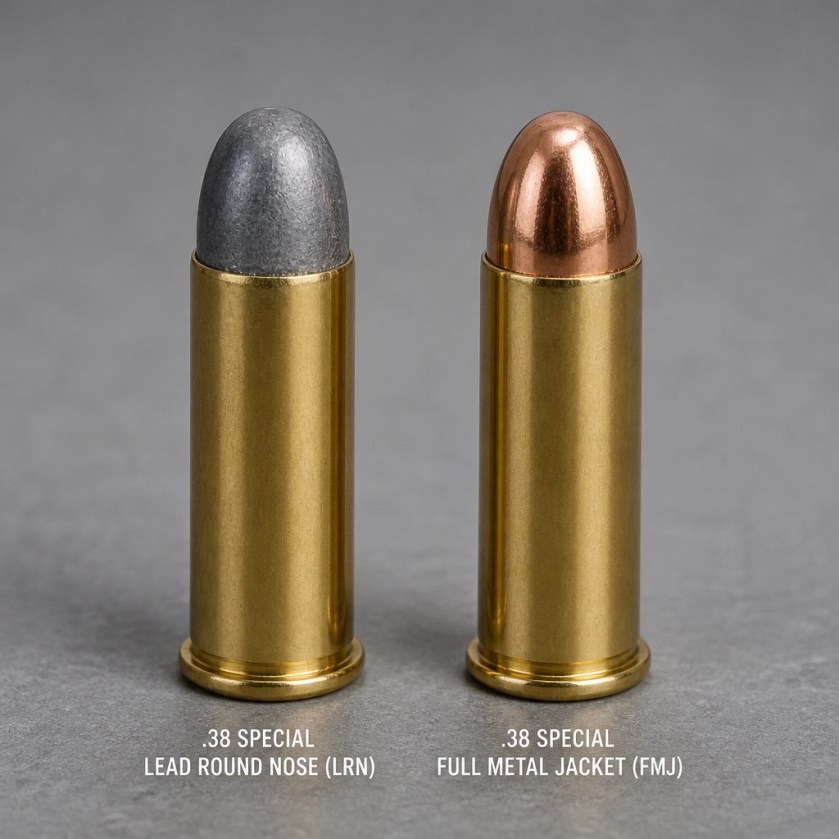
When browsing for range ammo, you’ll mostly see two types: Lead Round Nose (LRN) and Full Metal Jacket (FMJ).
- LRN (Lead Round Nose): These are simple, unjacketed lead bullets. They are often the most affordable option and are a staple for "cowboy action" shooting and basic target practice.
- FMJ (Full Metal Jacket): These have a lead core encased in a harder metal (usually copper). They tend to run a bit cleaner through your barrel.
For most training, either is fine. Many experienced shooters prefer Magtech .38 Special LRN for high-volume practice because it’s soft-shooting and very economical.
2. Bulk Buying is Your Best Friend
If you buy one box at a time, you’re paying the "convenience tax." The best way to secure cheap .38 Special is to buy in bulk. At Wholesale Hunter, we make this even easier: if you buy 10 or more boxes of the same ammo, you get an automatic 5% discount.
When you stack that 5% discount on top of our already competitive wholesale pricing, the savings add up fast. Stocking up on brands like Sellier & Bellot or Federal American Eagle ensures you always have rounds ready for your next range trip.
3. Mastering the "Emergency Reload"
Unlike semi-autos, revolvers require more manual dexterity to reload under pressure. Your range time should include "Emergency Reload" drills:
- Fire until the gun is empty.
- Open the cylinder while bringing the gun to your "work area" (chest height).
- Point the muzzle up and sharply hit the ejector rod to clear spent casings.
- Point the muzzle down and index your speedloader.
Practicing this with live ammo (or dummy rounds at home) is essential for anyone using a revolver for self-defense.

4. Speed Strips vs. Speedloaders
Which should you train with?
- Speedloaders: Faster and more intuitive, but they are bulky in a pocket.
- Speed Strips: Flat and easy to conceal, but they require a "2-by-2" loading technique that takes more practice.
We recommend training with both. Use your affordable range ammo to get 100 repetitions in with your speed strips until the motion becomes muscle memory.
5. Don’t Fear the Lead, Just Clean for It
A common myth is that shooting unjacketed lead (LRN) will ruin your gun. While lead does leave more residue than FMJ, it’s easily managed. If you’re shooting 150+ rounds of lead in a session, just give your barrel and forcing cone a quick scrub with a bronze brush and some solvent afterward.
Keeping your revolver clean ensures the cylinder continues to cycle smoothly and the extraction remains "drop-free."

6. Standard Pressure vs. +P
Most .38 Special training ammo is "Standard Pressure." This is what you want for 90% of your range work: it’s easier on your hands and your gun. However, if you carry +P (Higher Pressure) ammo for self-defense, you should occasionally fire a few rounds of it to understand the increase in recoil and muzzle flip.
Note: Check your revolver’s manual to ensure it is rated for +P before loading it!
7. The Importance of Bullet Weight
Most .38 Special rounds come in 130-grain or 158-grain weights.
- 130-grain: Often found in FMJ loads like Winchester Target & Range. These have slightly less recoil.
- 158-grain: The classic weight that matches the point of aim for many fixed-sight revolvers.
If your shots are hitting low or high, try switching bullet weights before adjusting your sights.
8. Dry Fire: The "Free" Training Hack
You don't always need to spend money to get better. Revolver triggers (especially in Double Action) are notoriously heavy. Spending 10 minutes a day dry-firing your empty revolver will strengthen your trigger finger and improve your steady-sights press. Just make sure the firearm is completely unloaded and you are in a safe environment!
9. Buy Now, Pay Later with Sezzle
We know that stocking up on a 500-round or 1,000-round case of .38 Special can be a big upfront investment. To help our customers, Wholesale Hunter offers Sezzle. This allows you to split your purchase into four interest-free payments over six weeks. It’s a great way to take advantage of bulk discounts today while managing your budget.
10. Wash Your Hands!
Since many cheap .38 Special options use exposed lead bullets, it’s important to practice good hygiene. After a long session at the range or a cleaning session at your bench, wash your hands thoroughly with cold water and soap to remove any lead residue.
Ready to Hit the Range?
Whether you're a seasoned pro or just bought your first Smith & Wesson, training with a revolver is a rewarding experience. It forces you to focus on the fundamentals of grip, trigger control, and timing.
Don't let high prices keep you off the firing line. Check out our full selection of in-stock .38 Special Ammunition today. Remember, buy 10+ boxes and save 5% automatically, and if you’re looking to add a new long gun to your collection, we offer free shipping on all long guns!
Happy shooting!