

There is nothing quite like the feeling of heading out to the range for a day of practice, training, or simply enjoying some trigger time. Whether you are a brand-new shooter taking your first pistol to the lanes or an experienced enthusiast dialing in a new optic on your favorite rifle, a successful range day begins long before you leave the driveway.
If your range bag is currently a chaotic jumble of loose earplugs, stray brass, half-empty ammo boxes, and random tools, you are setting yourself up for frustration. Packing efficiently and ensuring you have all the right gear keeps your session safe, organized, and immensely more productive. At Wholesale Hunter, we have been equipping outdoor enthusiasts and shooters since 1998. Over the decades, we have learned a thing or two about what makes a trip to the range seamless and enjoyable.
Let’s dive into the ultimate breakdown of range bag essentials that every shooter needs before heading out.
1. Choosing the Right Range Bag
Before you start tossing gear inside, let's talk about the bag itself. While any old backpack or duffel bag can technically carry your gear, a dedicated, purpose-built range bag makes a world of difference.
Look for a bag constructed from rugged, water-resistant nylon with reinforced stitching and heavy-duty zippers. A quality range bag typically features:
- Padded compartments to protect pistols, optics, and delicate gear.
- Dedicated magazine slots to keep your loaded mags upright and easy to grab.
- Lockable zippers for secure transport.
- MOLLE webbing or exterior pockets for quick access to tools, cleaning supplies, and medical kits.
Having separate pockets for your gear ensures you aren't frantically digging around for your eye protection while the line officer is waiting for you to get ready.
2. Safety First: Eye and Ear Protection

Personal Protective Equipment (PPE) is non-negotiable. No matter how short your session is or how experienced you are, you should never step onto the firing line without proper eye and ear protection.
Eye Protection
ANSI Z87.1-rated shooting glasses are an absolute must. They protect your eyes not just from bright sunlight, but more importantly from ricochets, flying brass, unburned gunpowder, and target debris. Many seasoned shooters keep a backup pair of glasses in their bag just in case a lens gets scratched or a pair gets misplaced.
Ear Protection
Gunshots are loud: often well over 140 decibels, which can cause permanent hearing damage in a single shot. Pack quality over-ear muffs, in-ear plugs, or both (known as "double-plugging") if you are shooting indoors or running high-powered calibers.
- Electronic Muffs: These are a fantastic investment for new shooters. They amplify normal conversation and range commands while instantly dampening loud impulses like gunfire.
- Spare Batteries: If you run electronic muffs, always toss a spare pack of batteries into your accessories pouch. Nothing kills a range session faster than dead muffs halfway through the morning.
3. Firearms, Magazines, and Ammunition
Naturally, your firearms and ammunition form the core of your packing list. Whether you are running handguns, rimfire rifles, or centerfire platforms, organization is key.
Firearms and Cases
Ensure your firearms are properly secured in padded soft cases or dedicated pistol rugs inside your range bag. Always keep actions open or use chamber flags when moving between your vehicle and the firing line.
Magazines
Bring plenty of pre-loaded magazines. Spending half your range time manually pressing rounds into magazines on the bench is a waste of valuable practice time. Having extra magazines loaded and ready in designated pouches lets you maximize your time actually shooting.
Ammunition
Pack enough ammunition for your planned drills, plus a little extra in case you want to extend your session. Different firearms require different types of fuel. For instance, if you are running a popular semi-auto pistol, you'll want plenty of reliable 9mm ammunition. For carbines and tactical rifle platforms, keeping a healthy supply of 5.56 NATO rounds on hand ensures you can run through your favorite rifle drills without coming up short.
Tip: Take advantage of bulk ammunition discounts: buying in bulk not only saves money per round but ensures your range bag is always stocked for your next outing. If you ever need help identifying specific cartridge specs or bullet weights, check out our expert Caliber Dictionary for detailed insights.
4. Medical Essentials: The Trauma Kit (IFAK)

Accidents are rare at well-run shooting ranges, but firearms safety demands that you be prepared for the worst-case scenario. Every serious shooter should carry an Individual First Aid Kit (IFAK) or a trauma kit in their range bag.
At a minimum, your medical pouch should include:
- Tourniquet: Essential for controlling severe extremity bleeding. Ensure it is staged and ready for quick deployment, not buried at the bottom of the bag.
- Pressure Dressing / Trauma Bandage: For larger lacerations and wounds.
- Chest Seals: Recommended for torso injuries.
- Medical Shears and Nitrile Gloves: For safe, efficient treatment.
- Basic First Aid Items: Band-aids, antiseptic wipes, gauze pads, and medical tape for minor cuts and scrapes.
Note: Carrying trauma gear is only half the battle. Make sure you take a certified bleeding control or first aid course so you know how to use every item in your kit effectively.
5. Tools and Maintenance Gear
Even high-end firearms can occasionally experience a hiccup, whether it's a stubborn FTE (failure to eject), a loose scope ring, or a fouled barrel. A compact tool and maintenance kit will save your range day.
- Multi-Tool: A rugged multi-tool with pliers, screwdrivers, and a knife is indispensable for general adjustments.
- Gun-Specific Drivers: If you shoot rifles with optics, keep a compact torque driver or Allen wrench set to ensure your scope mounts remain rock-solid.
- Bore Snake or Cleaning Rod: Perfect for running a quick pass through a barrel if something obstructs it or if you notice a drop in accuracy.
- CLP (Cleaner, Lubricant, Protectant): A small bottle of gun oil can keep a dry, sluggish slide cycling smoothly after hundreds of rounds in the dust.
- Cleaning Patches & Microfiber Cloth: Great for wiping down fingerprints, dirt, and carbon residue.
6. Targets, Range Tools, and Admin Items
To get the most out of your training, you need the right accessories to set up targets and track your progress.
- Targets: Pack a variety of paper silhouettes, bullseye targets, or splatter targets depending on what your range permits.
- Stapler and Heavy-Duty Staples: A staple gun is the fastest and easiest way to mount paper targets to cardboard backers.
- Painter's or Masking Tape: Useful for patching bullet holes so you can reuse targets, or for taping up notes.
- Sharpies and Pens: Essential for marking shot groups, writing down dates and distances on targets, and recording your data.
- Shot Timer: If you practice speed, transitions, or self-defense drills, a shot timer is one of the best training investments you can make.
- Chamber Flags / Empty Chamber Indicators: Many ranges and competitive matches require them to visually demonstrate safety when firearms are uncased on the bench.
7. Environmental Comfort and Personal Care
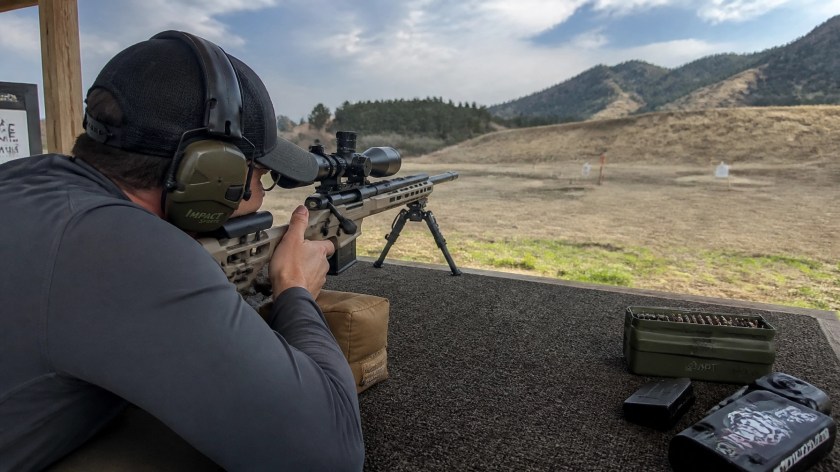
Shooting outdoors: especially during scorching summer months or freezing winter days: presents environmental challenges that can quickly distract you from safe, accurate shooting.
- Hydration: Pack plenty of water. Dehydration leads to fatigue, loss of focus, and poor safety discipline.
- Snacks: High-protein snacks or energy bars help maintain concentration during extended training blocks.
- Sunscreen and Bug Spray: Outdoor ranges expose you to the elements. Protect your skin and keep insects at bay.
- Lead-Removing Wipes: Handling ammunition leaves microscopic lead residue on your hands. Use specialized lead-removal soap or wipes before eating or handling food after your session.
- Weather-Appropriate Apparel: Layered clothing, sturdy closed-toe boots, and a ball cap (which also deflects hot brass from falling behind your safety glasses) make outdoor sessions much more comfortable.
Final Thoughts & Quick Pre-Range Checklist
Packing your range bag shouldn't feel like a chore; it should be part of the excitement of preparing for a great day of shooting. By keeping your gear organized, maintaining your safety equipment, and ensuring you have enough quality ammunition, you'll spend less time troubleshooting and more time ringing steel and tightening your groups.
Before you zip up your bag and head out the door, run through this quick checklist:
- Safety Gear: Eye protection, active electronic ear muffs, and spare batteries.
- Firearms & Ammo: Secured firearms, extra magazines, and plenty of reliable rounds (like your favorite 9mm and 5.56 NATO loads).
- Medical: Stocked IFAK trauma kit and basic first aid supplies.
- Maintenance: Multi-tool, cleaning rod/bore snake, and gun oil.
- Range Tools: Targets, staple gun, tape, and Sharpies.
- Documentation: Photo ID, range membership card, and shooting journal.
- Comfort: Water, snacks, sunscreen, and lead wipes.
Ready to gear up for your next trip? Explore our massive selection of firearms, ammunition, optics, and shooting accessories at Wholesale Hunter and experience the difference that decades of industry expertise make!