7 Mistakes You’re Making with Survival Gear (and How to Fix Them)

Survival Gear Layout

Let’s be honest: we’ve all been there. You spend a late night watching "end of the world" documentaries or browsing survival forums, and suddenly you’ve got a shopping cart full of tactical shovels, life straws, and enough paracord to lace up a battleship.

At Wholesale Hunter, we’ve been helping folks gear up since 1998, and if there’s one thing we’ve learned, it’s that owning gear and being prepared are two very different things. It’s easy to buy stuff; it’s hard to build a kit that actually works when the chips are down.

Whether you’re a seasoned hunter or someone just starting to put together a "get home" bag, you might be making some common errors that could leave you high and dry in a real emergency. Here are the 7 biggest mistakes we see people make with their survival gear: and, more importantly, how you can fix them today.

1. Buying a Pre-Made Kit and Calling It "Done"

The biggest mistake by far is the "set it and forget it" mentality. You see a "72-Hour Survival Bag" online, click buy, and shove it in the hall closet.

The Fix: Treat a pre-made kit as a skeleton, not a finished body. These kits are often packed with low-quality, generic items designed to hit a price point. Open that bag! Test the flashlight. Check the quality of the "multi-tool" (it’ll probably bend the first time you use it).

Replace the junk with real tools. If you’re relying on a handgun for backup, make sure you have reliable, high-quality ammunition. For instance, if you carry a revolver, don't just grab whatever is on the shelf. Look for cheap 38 special that actually performs, like Magtech or Winchester, so you can afford to practice with what you carry.

2. Ignoring the Weight (The "Kitchen Sink" Syndrome)

We get it: you want to be ready for everything. But if your bug-out bag weighs 70 pounds and you haven't walked more than a mile with it, you’re in trouble. In a real survival situation, mobility is life.

Budget Shotgun in the Forest

The Fix: Audit your gear for weight. If an item doesn't serve at least two purposes, think hard about whether you need it. One way to save weight is to rethink your long gun. A heavy, fully-loaded tactical rifle is great for some scenarios, but for a lightweight "woods gun" or a simple survival tool, budget shotguns like the Mossberg Maverick 88 or the Savage 301 are incredible options. They are reliable, simple, and far lighter than many semi-auto alternatives. Plus, at Wholesale Hunter, we offer free shipping on all long guns, so you can get a dependable tool without breaking the bank.

3. Relying on Cheap or Untested Ammunition

In a survival situation, your firearm is only as good as the ammo you feed it. Many people buy the cheapest, most corrosive surplus ammo they can find and store it away for years without ever firing a test round.

The Fix: Consistency is key. You need to know exactly how your gun behaves with the ammo you’ve stored. If you’re using a small-bore shotgun for food procurement or defense, don’t just settle for birdshot. You should have a stock of 410 slugs for sale from reputable brands like Brenneke or Remington. These turn a small shotgun into a much more capable tool for larger game or self-defense.

Buy in bulk to save money: remember, at Wholesale Hunter, you get 5% off when you buy 10 or more boxes of ammunition. Use that discount to buy enough to test your zero and still have plenty left for the "what if" scenarios.

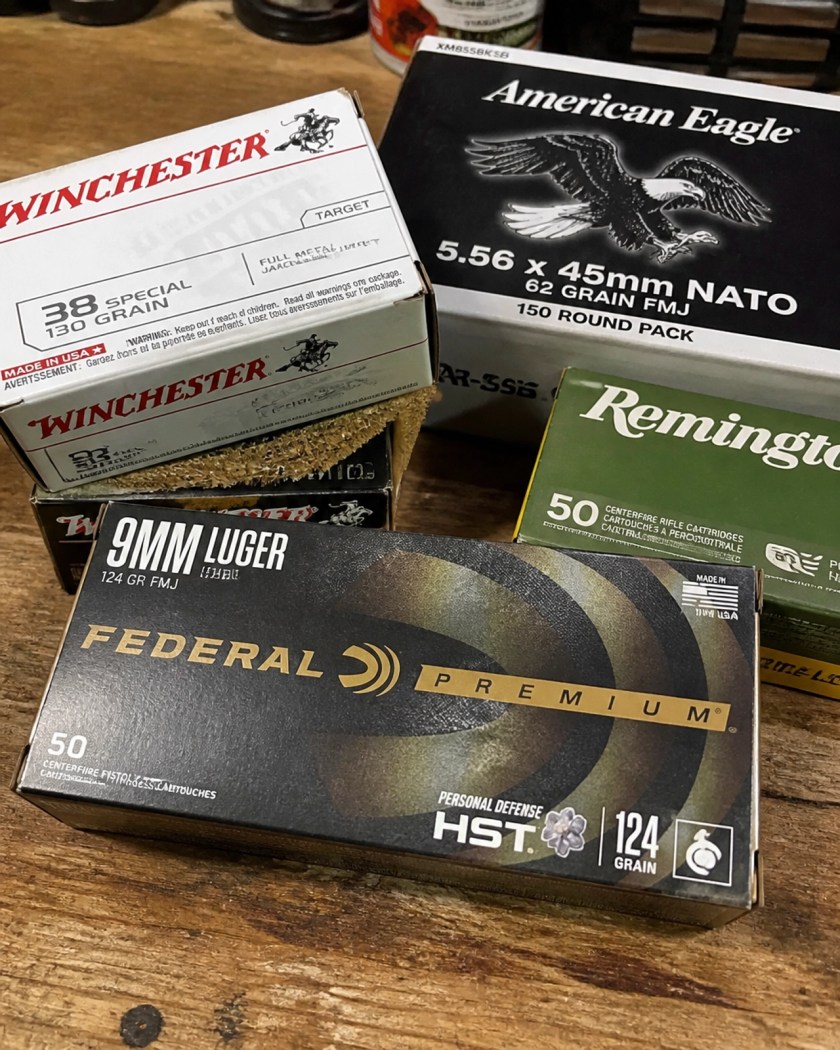
Ammunition on Workbench

4. Skills vs. Stuff: The Knowledge Gap

You can have the best water filter in the world, but if you don't know how to prime it or how to find a water source in the first place, it’s just a plastic tube.

The Fix: For every $100 you spend on gear, spend 10 hours learning a skill. Learn how to tie a proper knot, how to build a shelter with a tarp and some paracord, and how to clear a jam in your firearm under pressure.

If you own a specialized platform like the Kel-Tec PLR-16, don't just leave it stock. Learn the ins and outs of the platform. Investing in the right kel tec plr 16 accessories, like a better handguard for heat management or a reliable red dot, can make the gun much easier to handle. But more importantly, spend time at the range practicing with those upgrades. Gear should enhance your skills, not replace them.

5. The "Mall Ninja" Trap: High Visibility Gear

Walking around with a massive, MOLLE-covered camouflage backpack in a suburban or urban environment screams, "I have expensive gear inside this bag!" This makes you a target, not a survivor.

The Fix: Embrace the "Gray Man" concept. Choose gear in neutral colors: grays, tans, or blacks: that look like standard hiking or commuting equipment. You want to blend in, not stand out. This applies to your firearms, too. A compact, discreet setup is often better than a flashy, "tactical" one.

Kel-Tec PLR-16 with Accessories

6. Poor Water and Food Planning

Most people pack too much food and not enough water filtration. You can go weeks without food, but only days without water. Worse, many rely on dehydrated meals that require more water to prepare, which is a recipe for disaster if your water source is compromised.

The Fix: Follow the "Rule of Three" for water: have three ways to get it.

  1. Carry it: Have a durable stainless steel bottle.
  2. Filter it: A high-quality portable filter.
  3. Purify it: Chemical tablets as a backup.

For food, stick to high-calorie, "open and eat" items that don't require boiling water. If you do need to cook, make sure you’ve practiced with your stove in the wind and rain: not just on your kitchen counter.

7. No Maintenance or Repair Kit

Gear breaks. Zippers snag, boots delaminate, and firearms get dirty. If you don't have the tools to fix your gear in the field, a small problem can become a life-threatening one.

The Fix: Build a small "fix-it" kit. It should include:

  • Duct tape (wrap some around a lighter to save space).
  • A small sewing kit with heavy-duty thread.
  • Basic firearm maintenance tools.

Speaking of firearms, if you’re running a modular pistol or rifle, keep spare parts and the right tools on hand. Many kel tec plr 16 accessories allow for easier maintenance, like extended charging handles or rail systems that make mounting lights (which you’ll need for repairs at night!) much simpler.

Practicing Fire Starting

Wrapping It Up

Survival isn't about having the coolest gadgets; it's about having the right tools and the knowledge to use them. Start by auditing the gear you already have. Test it, break it, and learn how to fix it.

If you're looking to fill the gaps in your kit: whether it's finding cheap 38 special for practice, picking up some 410 slugs for sale, or finally grabbing one of those dependable budget shotguns: we’ve got you covered.

Don't forget to check out our Sezzle payment option if you want to gear up now and pay later with no interest. And once you get your gear, leave a review on our site: it’ll net you 5% off your next order.

Stay safe out there, and happy prepping!

Are Budget Guns Bad? The Best Shotgun Under $300.00 Revealed

Let’s be honest for a second: we all love a good deal. There’s a certain rush that comes with finding a piece of gear that performs way above its price tag. But in the world of firearms, "budget" is often treated like a four-letter word. You’ve seen the forum posts and the social media comments: people claiming that if you aren't spending four figures on a tactical shotgun or a precision rifle, you’re basically buying a paperweight.

But is that actually true? Are budget guns inherently bad, or are we just living in a golden age of manufacturing where "cheap" doesn’t have to mean "junk"?

At Wholesale Hunter, we see everything from high-end custom builds to the most basic entry-level platforms. Today, we’re going to settle the debate. We’re looking at what you actually give up when you go cheap, how to tell a "budget gem" from a "lemon," and finally, we’re revealing the absolute king of the sub-$300 shotgun world.

The Stigma: Why Do People Hate Budget Guns?

There’s a reason people are skeptical. Historically, cheap guns were often made of "pot metal," had terrible tolerances, and were about as reliable as a weather forecast in a hurricane. If you bought a bargain-bin firearm twenty or thirty years ago, you were genuinely taking a risk.

However, modern CNC machining and improved metallurgy have changed the game. Today, companies can produce functional, safe, and reliable firearms for a fraction of what it cost in the past.

When you buy a budget gun from a reputable brand today, you aren't usually sacrificing safety. Instead, you're trading off the "extras." You might get a matte blued finish instead of a fancy Cerakote. You might find the trigger is a bit "gritty" or the furniture is basic plastic instead of high-grade walnut. But for many of us, those are trade-offs we’re happy to make if it means we have more money left over for cheap 38 special for range day or a stockpile of 410 slugs for sale.

Durable budget pump-action shotgun receiver on a workbench with 12-gauge ammunition shells.

What You’re Really Paying For

When you step up from a $250 shotgun to a $1,200 shotgun, where does that extra $950 go? Usually, it's three things: Finish, Refinement, and Features.

  1. Finish: Budget guns often have thinner finishes that might show wear or rust more easily if you don't keep them oiled. A high-end Benelli or Beretta is going to have a much more durable coating.
  2. Refinement: This is how the gun "feels." Is the action smooth as silk, or does it feel like you’re sliding two bricks together? Does the trigger break like a glass rod, or does it feel like pulling a finger through wet sand?
  3. Features: High-end guns come with adjustable stocks, multiple choke tubes, upgraded sights, and better ergonomics. On a budget gun, you get the basics. You get a bead sight, a fixed or modified choke, and a standard stock.

But here is the kicker: A basic pump shotgun with a bead sight and a "gritty" action will still put a 00 buckshot pellet through a target just as effectively as the fancy one. If your goal is home defense or putting meat on the table, results matter more than "feel."

The Reveal: The Best Shotgun Under $300.00

If you have $300 in your pocket and you need a shotgun that you can bet your life on, there is one undisputed champion that has held the crown for years: The Maverick 88.

Wholesale Hunter Logo

Why the Maverick 88 Wins

The Maverick 88 is manufactured by Mossberg. It is essentially the "budget" version of the legendary Mossberg 500. While it’s assembled in Mexico to save on labor costs, it uses the same core design that has been proven in combat and law enforcement for decades.

Here is why the Maverick 88 is the gold standard for budget shotguns:

  • Interchangeability: Most Mossberg 500 barrels and stocks fit the Maverick 88. This means you can buy a basic 18.5-inch "Security" model for home defense and later swap on a longer field barrel for bird hunting.
  • Dual Action Bars: Unlike some ultra-cheap imports that use a single action bar (which can twist and bind), the Maverick 88 uses dual action bars for a smooth, reliable pump.
  • Simple Safety: It uses a cross-bolt safety located on the trigger guard, which many shooters find more intuitive than the tang safety on the Mossberg 500.
  • Massive Aftermarket: Because it’s so popular, you can find endless accessories. Whether you want to add a new tactical stock or a side-saddle shell holder, the options are everywhere.

You can often find the Maverick 88 for well under $250, leaving you plenty of room in your $300 budget for a quality soft gun case and a few boxes of Remington Express Buckshot.

Other Solid Contenders Under $300

While the Maverick 88 is our top pick, it isn't the only player in the game. If you can't find a Maverick or you want something a little different, check out these options:

1. Stevens 320 (by Savage Arms)

The Stevens 320 is a clone of the Winchester 1300 design. It features a rotary bolt and a very fast action. It’s often priced even lower than the Maverick. While the aftermarket support isn't quite as massive, it is a rugged, reliable workhorse. If you're a fan of the "pistol grip" style, the Stevens 320 Security models often come standard with a comfortable grip right out of the box.

2. Rock Island Armory M5

Rock Island is famous for their 1911s, but their M5 shotgun is a hidden gem. It’s a combat-style pump shotgun that is built like a tank. It has a unique look and a very solid feel for the price point.

Tactical budget shotgun with a synthetic pistol grip resting at an outdoor shooting range.

How to "Vet" a Budget Gun

If you decide to go the budget route, you need to be your own quality control. When you buy a $2,000 gun, you're paying for someone at the factory to hand-inspect every part. When you buy a $250 gun, that responsibility falls on you.

Before you trust a budget firearm for defense, follow these steps:

  1. The "Dry" Run: Ensure the firearm is unloaded. Cycle the action 50 to 100 times. You want to smooth out any factory burrs.
  2. Clean and Lube: Budget guns often come packed in thick shipping grease. Clean it all off and apply a high-quality lubricant like Hoppe's No. 9 Gun Bore Cleaner.
  3. The Range Test: Don't just fire five rounds and call it good. Take a variety of ammo to the range. Start with some light Federal Top Gun target loads and move up to heavier hunting or defensive rounds. If it can handle 50 rounds without a hitch, you’re on the right track.
  4. Check Your Sights: Budget shotguns usually have a simple bead. Make sure you know where that bead is putting the shot at 7, 10, and 15 yards. If you need more precision, you can always look into adding aftermarket sights.

The Hidden Advantage of Buying Budget

One of the biggest reasons I love budget guns: and the Maverick 88 specifically: is that I’m not afraid to use them.

If you have a $2,000 heirloom shotgun, you might be hesitant to take it out in the rain or toss it in the back of the truck for a camping trip. You worry about every scratch and ding. With a Maverick 88, you don't care. It’s a tool. If it gets a scratch on the synthetic stock, it just adds character.

Plus, saving money on the firearm itself allows you to invest in the things that actually make you a better shooter. You can buy reactive targets for better practice, a sturdy ammo can to store your stash, and high-quality hearing protection.

Even if you’re into more "niche" firearms: like hunting for kel tec plr 16 accessories: the philosophy remains the same: functional reliability is the priority.

Reliable budget shotgun with synthetic stock and ammo cans in a truck bed for outdoor use.

Maintaining Your "Value" Firearm

Because budget guns often have simpler finishes, they require a little more love in the maintenance department. A quick wipe-down with an oily rag after a day in the field goes a long way. Investing in a comprehensive cleaning kit is the best way to ensure your $250 investment lasts for twenty years.

Also, don't forget the small things that make a big difference in the shooting experience. A slip-on recoil pad can turn a "punishing" budget shotgun into a pleasure to shoot, and a simple sling makes it much easier to carry during a long day of hiking.

Final Thoughts: Cheap vs. Value

Are budget guns bad? No. But bad guns are bad.

The key is to stick with brands that have a track record of standing behind their products. A Maverick 88 is a budget gun, but it’s backed by Mossberg’s reputation. A random "no-name" import from a company that doesn't even have a website? That’s where you run into trouble.

If you’re looking to get into the world of shotguns without breaking the bank, the Maverick 88 is the best $250 you will ever spend. It’s reliable, it’s versatile, and it leaves you enough money to actually go out and enjoy the sport.

Whether you're looking for 410 slugs for sale for a small-bore project or a trigger lock to keep your new purchase safe, Wholesale Hunter has you covered.

Happy shooting, and remember: it’s not about how much you spend on the gun: it’s about how much time you spend behind the trigger.

Shooting a budget pump shotgun in a field at sunset with a shell casing ejecting from the action.

7 Mistakes You’re Making with Your Survival Gear Preparation (and How to Fix Them)

Hey there, fellow outdoorsmen and preppers. It’s Penny here from the Wholesale Hunter team.

We’ve all been there, scouring the internet for the coolest gadgets, the toughest knives, and the most reliable ammo to ensure that if things go sideways, we’re the ones who come out on top. But here’s the cold, hard truth: owning a pile of gear doesn't make you prepared. In fact, if you’re making some common mistakes, that expensive gear might just be dead weight when you need it most.

Jason always tells us that "prep is a process, not a purchase." To help you get your kit dialed in, I’ve put together the seven biggest mistakes people make when prepping their survival gear, and, more importantly, exactly how to fix them.


1. Treating a Store-Bought Kit as "Job Done"

The most common mistake people make is buying a pre-packaged "72-hour kit" or "bug-out bag" from a big-box store, tossing it in the closet, and checking "survival" off their to-do list.

The Problem: Most commercial kits are built to hit a specific price point. They often include "one-size-fits-all" items that might not work for your specific needs. The bandages are too small, the flashlights are flimsy, and the food is… well, let's just say it’s not exactly gourmet.

How to Fix It:
Open the kit. Right now. Lay everything out on your living room floor. Ask yourself if it covers the big five: shelter, water, food, fire, and medical. Then, customize it. Add your specific medications, an extra pair of glasses, or even specialized tools. If you’re carrying a compact firearm for survival, like the Kel Tec PLR-16, you’ll want to look into kel tec plr 16 accessories to make sure that specific tool is optimized for your bag. Upgrade the weak links with high-quality gear, like a Buck Knives Pursuit, which won't fail you when you’re processing wood or preparing food.

Survival gear audit featuring a high-quality fixed-blade knife, tactical flashlight, and emergency tools on a workbench.

2. Packing for the Wrong Terrain or Season

If your survival bag is filled with heavy wool socks and hand warmers, but you live in the Arizona desert, you’ve got a problem. Conversely, if you’re in the Rockies and your kit only has a lightweight emergency poncho, you’re in for a rough night.

The Problem: Many people build a "static" kit. They pack it once and forget that the world changes every six months.

How to Fix It:
Think about your likely scenarios. Are you prepping for a hurricane on the coast or a blizzard in the Midwest? Every six months, perform a "seasonal swap." In the summer, prioritize electrolyte packets and sun protection. In the winter, make sure you have high-calorie food and serious insulation. Also, consider the versatility of your tools. A reliable Rock Island Armory M5 is one of those great budget shotguns that works in almost any environment for both defense and hunting.

3. Owning Gear You Can’t Actually Use

This is a big one. We see people buy high-tech water filters or complicated GPS units and leave them in the original shrink-wrap.

The Problem: In a high-stress survival situation, your fine motor skills go out the window. If you haven’t practiced with your gear in the dark, in the rain, or while you’re tired, you don't actually know how to use it.

How to Fix It:
Run mini-drills. Spend a Saturday afternoon trying to start a fire with just your ferro rod. Try setting up your emergency tarp in the backyard when it's windy. If you’ve invested in defense gear, don't just let it sit. If you’re looking for 410 slugs for sale, buy an extra box and actually head to the range to see how they pattern out of your survival shotgun. Knowing your equipment's limitations is just as important as knowing your own.

4. Ignoring Water and Food Realities

We all love looking at tactical gear, but you can only go three days without water. Many kits focus on "cool" items and skimp on the basics of life.

The Problem: Underestimating how much water you really need (at least a gallon per day for drinking and hygiene) and packing food you hate.

How to Fix It:
Pack what you eat and eat what you pack. If you hate lentils, don't pack a five-pound bag of them. Stick to calorie-dense, easy-prep meals. For water, always have at least two ways to purify it: a physical filter and chemical tablets as a backup.

Speaking of sustenance, don't forget the "procurement" side of things. Having a variety of ammo can help you take small game if things go long-term. Keeping a stash of cheap 38 special for a sidearm or a small-bore long gun can be a lifesaver for harvesting camp meat without blowing your shoulder off.

Wholesale Hunter Logo

5. Overpacking and Single-Purpose Gadgets

There’s a temptation to bring everything including the kitchen sink. We call this "The Turtle Syndrome."

The Problem: If your bag weighs 70 pounds, you aren't going anywhere fast. If you have five different tools that only do one specific thing, you’re wasting space and energy.

How to Fix It:
Prioritize multi-use items. A shemagh or large bandana can be a bandage, a water pre-filter, a signal flag, or a scarf. Instead of carrying a heavy dedicated hunting rifle and a separate defensive gun, many preppers opt for a versatile shotgun. Checking out 410 slugs for sale can give you a lightweight, low-recoil option that handles both protection and hunting in a pinch. Weigh your bag. If you can’t walk two miles with it comfortably, start cutting.

A rugged tactical backpack with an attached survival tarp resting in a misty forest setting.

6. Skipping Maintenance and Rotation

Gear isn't "buy once, cry once" if it rots in your trunk.

The Problem: Batteries leak, medications expire, and metal rusts. If you haven't checked your bag in two years, your "emergency" flashlight might just be a plastic tube full of corrosion.

How to Fix It:
Put a reminder in your phone for every six months. Check your batteries and swap them out if they’re old. Check your ammo for signs of corrosion or moisture damage. Even high-quality rounds like Hornady Critical Defense should be inspected if they’ve been sitting in a humid vehicle. Use a Tipton Cleaning Kit to keep your firearms in top shape, even the ones tucked away in your "go-bag." If you’re rotating your self-defense rounds, it’s a great time to pick up some cheap 38 special for practice so you stay sharp.

Maintenance of survival gear including brass 38 special cartridges and a multi-tool on a cleaning mat.

7. Not Planning for Communication and Access

The best gear in the world is useless if it’s buried at the bottom of a pack when you need it in three seconds.

The Problem: Lack of organization and a lack of a communication plan with your family. If "The Big One" happens, does everyone know where to meet? Does everyone know which pouch the first aid kit is in?

How to Fix It:
Organize your gear into modules. Use color-coded pouches: Red for medical, Blue for water, etc. Keep high-priority items: like a tourniquet, a headlamp, or your defensive handgun: in easy-to-reach spots.

Most importantly, have a plan. Tell a friend where you’re going if you’re heading into the woods. Have a designated "out-of-state contact" that everyone in the family calls if local lines are jammed. Survival is a team sport, and communication is the most important tool in your kit.


Wrapping It Up

Preparation is about more than just spending money at an e-commerce store (though we do appreciate the business!). It's about mindset, skill, and the willingness to audit your own gear. Don't let these seven mistakes catch you off guard. Take an hour this weekend to go through your stuff, check your ammo supplies, and maybe practice your fire-starting skills.

If you need to fill any gaps in your kit: whether it’s finding budget shotguns for the truck or stocking up on 410 slugs for sale: we’ve got you covered here at Wholesale Hunter.

Stay safe, stay prepared, and we'll see you out there!

( Penny)

9mm Vs 5.56 NATO: Which Is Better For Your Survival Setup?

If you spend any time in the survivalist or firearms community, you know there are some debates that just never die. Ford vs. Chevy, AK vs. AR, and of course, the big one: 9mm vs. 5.56 NATO. When we talk about a "survival setup," we aren't just talking about a fun day at the range. We’re talking about the gear you trust when things go sideways: whether that’s a natural disaster, civil unrest, or a long-term grid-down situation.

At Wholesale Hunter, we get asked all the time: "Jason, if I can only pick one caliber for my bug-out bag, what should it be?" The truth is, neither is "better" in a vacuum. Each one solves a specific set of problems. To build the right setup, you have to look at your environment, your physical ability to carry weight, and what you realistically expect to face.

Let’s dive into the nitty-gritty of these two legendary rounds and see which one deserves a spot in your safe.

The Case for 9mm: The Ultimate Urban Companion

The 9mm Luger is the most popular handgun cartridge in the world for a reason. In a survival scenario, its strengths lie in its versatility and its "everyman" status. If you are looking for 9mm Luger ammo, you’ll find it’s almost always available, even when other niche calibers have vanished from the shelves.

1. Concealment and Portability

In many survival situations, you don’t want to look like a "tactical" target. Walking down a street with a rifle slung across your chest draws a lot of the wrong kind of attention. A 9mm handgun, like the Glock 19 Gen 5 or the Sig Sauer P320, can be easily concealed under a jacket or in a waistband. This "low-profile" approach is often the smartest survival strategy in urban or suburban environments.

2. Weight Logistics

Ammo is heavy. When you’re packing a bug-out bag, every ounce counts. Generally speaking, 500 rounds of 9mm weigh about 13 to 15 pounds. While that sounds like a lot, it’s significantly more compact than the equivalent in rifle rounds. You can fit more 9mm into a small space, allowing you to carry more "beans and band-aids" in the rest of your pack.

3. The PCC Advantage

If you want the benefits of 9mm but need more accuracy, a Pistol Caliber Carbine (PCC) like the Kel-Tec Sub-2000 is a game-changer. It uses the same ammo as your handgun (and often the same magazines), giving you a 100-yard effective range in a folding package that fits in a backpack.

While some folks still swear by a revolver for simplicity, often looking for cheap 38 special for practice, the 9mm platform offers higher capacity and faster reloads that are hard to beat in a high-stress encounter.

Urban EDC survival setup featuring a 9mm handgun, folding carbine, and essential tactical gear on a table.

The Case for 5.56 NATO: The General Purpose King

If the 9mm is a scalpel, the 5.56 NATO is a multi-tool. Originally designed for the military, this round is the standard for the AR-15 platform, the most popular rifle in America. If your survival plan involves defending a homestead or navigating rural terrain, the 5.56 is hard to top.

1. Range and Power

A 9mm starts to lose its steam after 50 yards. A 5.56 rifle is effective out to 300 yards and beyond in the right hands. In a survival situation, distance is your best friend. Being able to deter a threat or identify a problem from 200 yards away gives you options that a handgun simply can't provide.

2. Versatility for Small Game

While neither of these is a "big game" hunting round, the 5.56 is far more capable if you need to put food on the table. It’s excellent for varmints and, with the right shot placement, can handle small deer or hogs in an emergency. If you're looking for high-quality rifle rounds, we always recommend keeping a few boxes of Federal American Eagle 5.56 on hand.

3. Barrier Penetration

The 5.56 moves at incredible speeds (usually over 3,000 feet per second). This velocity gives it a better chance of defeating soft body armor or intermediate barriers compared to the slower, heavier 9mm. If you're worried about defending a fixed position, the rifle round is the clear winner.

For those who want a more compact 5.56 option, something like a "pistol" build is popular, and finding the right Kel Tec PLR 16 accessories can help turn a small platform into a powerhouse.

Wholesale Hunter Logo

Head-to-Head: The Critical Factors

Let’s break down how these two compare in the categories that actually matter when the power goes out.

Feature 9mm Luger 5.56 NATO
Effective Range 0–50 Yards 0–400+ Yards
Ammo Weight ~14 lbs per 500 rds ~17 lbs per 500 rds
Primary Use Self-Defense / Concealment Defense / Hunting / Range
Noise Level Moderate High / Concussive
Stopping Power Moderate (Handgun) High (Rifle Velocity)

Stopping Power and "Over-Penetration"

There’s a common myth that 5.56 will zip through every wall in your house while 9mm will stop in the first one. Physics actually tells a different story. Because the 5.56 is so light and fast, it tends to fragment or "tumble" when it hits drywall. A heavy 9mm projectile often stays intact and can actually penetrate more interior walls than a rifle round.

If your survival setup is strictly for home defense, don't discount the rifle: just be aware of the noise. A 5.56 shot indoors without hearing protection is incredibly disorienting.

9mm Luger and 5.56 NATO rifle cartridges side-by-side on a workbench for survival ammo comparison.

What About the "Budget" Alternatives?

We know that not everyone wants to drop thousands on a top-tier AR and a duty pistol. Sometimes survival gear is about what you can afford right now. Many people look toward budget shotguns for home defense because they are reliable and affordable.

In a survival kit, a shotgun offers massive flexibility. You can hunt birds, small game, or defend your home. We even see a lot of interest in survivalists stocking up on 410 slugs for sale for lightweight, low-recoil options in small survival guns. However, when it comes to a "primary" caliber, the 9mm and 5.56 still hold the crown for logistics and capacity.

Urban vs. Rural: Where Do You Live?

Your geography should be the #1 factor in your choice.

  • The Urban Survivalist: If you live in a high-rise in Chicago or a dense suburb in Dallas, the 9mm is likely your best bet. You need to move fast, stay quiet, and keep your gear hidden. A Smith & Wesson M&P9 M2.0 is a workhorse that won't let you down.
  • The Rural Survivalist: If you have acres to watch and your nearest neighbor is a mile away, the 5.56 is non-negotiable. You need the reach to cover your property and the power to deal with predators (both the four-legged and two-legged varieties).

The "Perfect" Survival Setup: Why Not Both?

If you talk to most experts, they won't tell you to choose one. They’ll tell you to carry both. The most flexible survival setup is a 9mm sidearm and a 5.56 rifle.

  1. The Sidearm (9mm): This is your "always-on-you" gun. It’s for immediate threats when you’re doing chores, sleeping, or moving through crowds.
  2. The Rifle (5.56): This is your "work" gun. It’s for perimeter defense, hunting, and situations where you know a fight is coming.

Having both allows you to use the right tool for the job. Plus, since 9mm and 5.56 are the two most common rounds in the country, you'll have the best chance of finding more ammo if you have to scavenge or trade.

5.56 NATO rifle and 9mm sidearm with a survival rucksack for a remote homestead defense setup.

Final Verdict: What’s Going in Your Bag?

Choosing between 9mm and 5.56 NATO comes down to your personal mission.

  • Choose 9mm if you prioritize concealment, weight savings, and close-quarters maneuverability. It’s the king of the "Grey Man" strategy.
  • Choose 5.56 if you want maximum capability, distance, and a tool that can double as a light hunting rifle.

At the end of the day, the best caliber is the one you have ammo for and the one you’ve actually practiced with. You can have the fanciest rifle in the world, but if you haven't put rounds downrange, it’s just an expensive club.

Ready to gear up? Whether you need a new sidearm, a pile of 9mm ammo, or some 5.56 NATO for your stockpile, we’ve got you covered here at Wholesale Hunter. Stay safe out there, and keep training!

How to Choose the Best Shotgun Under $300 (Compared)

Let’s be real for a second: the world of firearms can get expensive fast. Between the latest high-speed tactical optics and custom-shop pistols, it’s easy to feel like you need a second mortgage just to hit the range. But here’s the good news from your friends at Wholesale Hunter: you don’t have to break the bank to get a reliable, hard-working shotgun.

In fact, the sub-$300 market is currently booming with options that are perfect for home defense, small game hunting, or just some weekend clay busting. Whether you’re looking for your first firearm or you just want a "truck gun" that you don’t have to worry about scratching, we’ve got you covered.

Today, we’re breaking down how to choose the best shotgun under $300, comparing the top contenders, and showing you exactly what to look for so you get the most "bang" for your buck.

Why Buy a Budget Shotgun?

Before we dive into the specific models, let’s talk about why you’d even want a shotgun in this price range. For many, a budget shotgun is the ultimate utility tool.

  1. Reliability: In the world of pump-action shotguns, "cheap" doesn't necessarily mean "unreliable." Because the design is so simple, even entry-level models tend to work every time you pull the trigger.
  2. Versatility: A 12-gauge or 20-gauge shotgun can do almost anything. With the right load, it’s a home defense powerhouse, a turkey dropper, or a deer hunter.
  3. Low Stress: You aren't going to baby a $250 shotgun. You’re going to use it, toss it in the back of the UTV, and take it out in the rain. That’s what they’re built for.

Wholesale Hunter Logo

The Top Contenders: Comparison at a Glance

If you’re shopping with a $300 limit, a few names are going to pop up repeatedly. Let's look at the heavy hitters.

1. The King of Budget Pumps: Mossberg Maverick 88

If there’s one gun that defines this category, it’s the Mossberg Maverick 88. Often found for well under $250, this is essentially the "little brother" to the legendary Mossberg 500.

Why it wins:

  • Parts Compatibility: Most Mossberg 500 barrels and stocks will fit the Maverick 88.
  • Proven Track Record: These guns have been around for decades and are famous for eating whatever ammo you feed them.
  • Safety Location: Unlike the 500's top-tang safety, the Maverick features a cross-bolt safety on the trigger guard, which many shooters actually prefer.

You can find the Maverick 88 right here and see why it remains the top recommendation for budget-conscious buyers.

2. The Value Workhorse: Stevens 320

The Stevens 320 (by Savage Arms) is another massive player in the sub-$300 market. It’s a clone of the Winchester 1300 design, featuring a rotary bolt that makes the action surprisingly smooth for a budget gun.

Why it wins:

  • Smooth Action: It’s often faster to cycle than the Maverick.
  • Variety: You can get these in field grades, security grades, and even combo sets that come with two barrels.
  • Ergonomics: Many models come standard with a pistol grip, which is a nice touch for home defense setups.

Stevens 320 tactical shotgun with pistol grip on a workbench, ideal for a budget home defense setup.

3. The Modern Tactical: Black Aces Tactical Pro Series

If you want something that looks a little more "modern" without spending modern prices, Black Aces Tactical offers some very interesting options. They’ve made a splash by bringing semi-auto and magazine-fed features down to prices that used to be reserved for basic single-shots.

Why it wins:

  • Feature Rich: Often comes with rail mounts for lights or optics.
  • Semi-Auto Options: Finding a reliable semi-auto under $300 is tough, but Black Aces comes closer than most.

What to Look for When Choosing

When you're comparing these models, don't just look at the price tag. Think about how you’re actually going to use the gun.

Action Type: Pump vs. Semi-Auto

Under $300, we almost always recommend a pump-action. Why? Because a cheap pump is almost always more reliable than a cheap semi-auto. Semi-autos require precise gas or inertia systems to cycle, and cutting corners on those systems can lead to jams. A pump-action relies on your arm strength, making it much harder to fail.

Gauge Selection: 12 vs. 20 vs. .410

  • 12 Gauge: The standard. It has the most power and the widest variety of ammo available.
  • 20 Gauge: Great for youth, smaller-framed shooters, or anyone who wants less recoil without giving up too much effectiveness.
  • 410 Bore: Very low recoil. If you’re looking for a small game or pest control gun, the Savage 301 in .410 is a great choice. If you’re hunting, make sure to stock up on 410 slugs for sale to ensure you have the stopping power you need.

Barrel Length

If this is for home defense, look for an 18.5-inch barrel. It’s easier to maneuver in tight hallways. If you’re planning on hunting ducks or shooting clays, you’ll want a 26 or 28-inch barrel for a better swing and sight plane.

Comparison of 12-gauge, 20-gauge, and .410 shotgun shells for hunting and home defense.

Don't Forget the Essentials

Buying the gun is just step one. To actually use it effectively, you need to budget for a few more things. The beauty of saving money on the firearm is that you have more left over for practice!

Ammunition

A shotgun is only as good as the shells you put in it. While you're picking up your new scattergun, don't forget to browse our ammunition selection.

Interestingly, many of our shotgun customers are also fans of target practice with other platforms. If you're heading to the range to break in your new shotgun, why not grab some cheap 38 special for your revolver training? Keeping your skills sharp across all your firearms is the mark of a prepared shooter.

Accessories and Customization

One of the best parts about buying a "budget" gun like a Maverick 88 or a Stevens 320 is that they are highly customizable. You can add a side-saddle for extra shells, a flashlight for home defense, or even a Red Dot sight.

If you’re the type of shooter who loves to tinker, you know that the "base" price is just the beginning. Whether you're looking for kel tec plr 16 accessories for your other builds or a simple sling for your new shotgun, we’ve got the gear to help you finish the job.

Expert Tips for Budget Shotgun Owners

  1. Clean It First: Budget guns often ship with a heavy coat of "packing grease" to prevent rust during shipping. Before you head to the range, give it a good field strip and a light coat of quality oil.
  2. Smooth It Out: New budget pumps can feel a little "gritty." Spend an evening sitting on the couch (with an unloaded gun, obviously!) and cycle the action a few hundred times. This will help mate the surfaces and make the action feel much smoother.
  3. Pattern Your Gun: Every shotgun shoots a little differently. Take it to the range with the specific buckshot or slugs you plan to use for defense and see where the "cloud" actually lands at 7, 10, and 15 yards.

Close-up of hands cleaning and oiling a pump-action shotgun receiver for peak reliability.

The Wholesale Hunter Verdict

So, which one should you choose?

  • If you want the absolute most reliable gun for the money: Go with the Mossberg Maverick 88. It’s the gold standard for a reason.
  • If you want something that feels a bit more modern out of the box: The Stevens 320 with a pistol grip is hard to beat.
  • If you are looking for a dedicated survival or pack gun: A single-shot like the Savage 301 is lightweight, simple, and incredibly affordable.

Choosing a shotgun under $300 doesn't mean you're compromising on safety or utility. It means you’re being a smart shopper. By focusing on proven designs and reputable brands, you can protect your home or fill your freezer without emptying your wallet.

Ready to pull the trigger? Check out our full inventory of shotguns under $300 and find your next favorite firearm today. If you have questions about which model is right for you, don't hesitate to reach out. We’re here to help you get geared up for your next adventure!


Disclaimer: Always follow all local, state, and federal laws regarding the purchase and ownership of firearms. Safety first, always!

7 Mistakes You’re Making When Buying Cheap 38 Special (And How to Score the Best Deals)

Hey there, fellow shooters! Jason Marsh here from Wholesale Hunter. If you’re like me, you probably love the classic feel of a .38 Special. Whether it’s a vintage Smith & Wesson Model 10 or a modern snub-nose for daily carry, the .38 is a staple in the American gun safe. But let’s be real: shooting isn’t getting any cheaper. We’re all looking for that "honey hole" of cheap 38 special ammo that lets us spend the whole afternoon at the range without checking our bank balance.

However, there’s a big difference between "affordable" and "unreliable." Over the years, I’ve seen folks make the same handful of mistakes when hunting for deals. These blunders don't just waste your money; they can actually gunk up your favorite wheelgun or leave you with a box of paperweights.

Today, I’m breaking down the 7 most common mistakes people make when buying budget .38 Special and showing you exactly how to score the best deals on the web.

1. The Steel Casing Trap: Revolvers Aren't Rifles

When you see a price that looks too good to be true, the first thing you should check is the casing material. Steel-cased ammo is a godsend for high-volume shooting in AKs or even some modern 9mm handguns, but it can be a nightmare for a revolver.

Unlike brass, steel doesn’t have much "memory." When you fire a round, the casing expands to seal the chamber. Brass then shrinks back down slightly, making it easy to eject. Steel? It tends to stay expanded and "sticky." If you’re shooting a six-shot revolver with budget steel-cased ammo, you might find yourself needing a mallet to get those spent casings out of the cylinder.

The Fix: Stick to brass-cased ammo whenever possible. Not only is it more reliable for extraction, but it’s also reloadable. If you’re looking for a solid deal on brass that won't fail you, check out the Winchester Target & Range 38 Special. It’s the gold standard for a reason.

Wholesale Hunter Logo

2. Burning "Gold" on Paper Targets

I see this all the time: a guy walks into the range with three boxes of premium Jacketed Hollow Points (JHP) and spends 45 minutes punching holes in paper. At nearly $1.50 or $2.00 a round, that’s a very expensive way to spend an afternoon.

Defensive ammo is designed to expand and stop a threat. Target ammo is designed to go "bang" and hit where you aim. While you should fire a box of your carry ammo occasionally to ensure it cycles and hits the point of aim, 95% of your shooting should be done with Full Metal Jacket (FMJ) or Lead Round Nose (LRN) rounds.

The Fix: Buy bulk FMJ for the range. You can usually find Magtech 38 Special FMJ at a fraction of the cost of defensive loads. Save the expensive stuff for your nightstand.

3. Ignoring Grain Weight Consistency

Most classic .38 Special revolvers were designed and "regulated" (factory-sighted) for 158-grain bullets. If you start buying the absolute cheapest 110-grain or 125-grain loads you can find, you’re going to notice that your shots aren't hitting where you’re aiming.

Lighter bullets generally hit lower than heavier ones in a revolver. If you practice all day with 110-grain "bargain" rounds and then load 158-grain JHPs for self-defense, your muscle memory and point of aim will be completely off.

The Fix: Try to match your practice ammo weight to your carry ammo weight. If you carry 158-grain, buy 158-grain target rounds. It’s worth the extra few cents per box to ensure your training actually translates to real-world accuracy.

Close-up of different .38 Special cartridges with various bullet types on a wooden workbench.

4. The +P Compatibility Gamble

In the search for cheap 38 special, you might stumble across some "overstock" +P ammunition. While +P (higher pressure) ammo offers better ballistics, it’s not safe for every gun. Many older revolvers or ultra-lightweight frames aren't rated for the higher pressures of +P.

Shooting high-pressure rounds in a gun not designed for them can lead to "frame stretching," where the gun’s timing gets thrown off, or in extreme cases, catastrophic failure. Plus, even in rated guns, +P has more recoil and is generally more expensive.

The Fix: Unless you’re specifically looking for defensive performance and your gun is modern and rated for it, stick to standard pressure. It’s easier on your gun, easier on your hands, and significantly easier on your wallet.

5. Neglecting Maintenance After Using "Dirty" Ammo

Let’s be honest: budget ammo can be dirty. Manufacturers of cheaper rounds often use lower-grade powders that leave behind a lot of carbon fouling and unburnt grains. If you’re shooting unjacketed lead (LRN), you also have to worry about "leading": where lead deposits build up in the rifling of your barrel.

If you don't clean your gun after a heavy session of budget shooting, that "gunk" can migrate into the cylinder crane or the firing pin channel, leading to light strikes or a cylinder that’s hard to turn.

The Fix: If you’re shooting the cheap stuff, be diligent about cleaning. A quick scrub of the cylinder bores and the barrel after every trip will keep that budget ammo from causing a premium repair bill. While you're at it, make sure your other gear is ready too: whether you're looking for kel tec plr 16 accessories or a new cleaning kit, keep that gear maintained!

6. Buying for the Wrong Barrel Length

The .38 Special is a versatile round, but its performance changes drastically depending on whether it’s coming out of a 6-inch target pistol or a 1.8-inch snub-nose. Many budget loads use powders that need a longer barrel to burn completely.

When you shoot this "slow" ammo out of a short barrel, you get a massive muzzle flash (unburnt powder igniting outside the barrel) and significantly lower velocity. This makes for a louder, more distracting shooting experience with less-than-ideal accuracy.

The Fix: If you shoot a snubby, look for "short barrel" specific loads when they go on sale. If you’re just plinking with a full-sized revolver, the cheap long-burn stuff is fine, but be aware of the difference!

7. Ignoring the "Landed Cost"

This is the biggest mistake of all. You find a website selling a box of .38 Special for $15.00. You get excited, add it to your cart, and then realize shipping is $25.00 for that one box. Suddenly, your "deal" costs $40.00 for 50 rounds.

The Fix: Always calculate the landed cost. That’s the total price (Ammo + Shipping + Tax) divided by the number of rounds. This is why we always recommend buying in bulk. Shipping one box is expensive; shipping a case of 500 or 1,000 rounds often costs the same as shipping one, making the price per round much lower.

Bulk ammunition storage with metal cans and boxes of cheap .38 Special for high-volume shooting.

How to Score the Best Deals (The Wholesale Hunter Way)

Now that you know what to avoid, how do you actually find the good stuff?

  • Bulk is King: Whenever possible, buy 500 or 1,000 rounds at a time. It’s the single best way to beat inflation.
  • Watch for Seasonal Sales: We often have blowouts on specific brands. Check our ammo search page regularly.
  • Diversify Your Range Day: Don't just stick to one caliber. If .38 is high that week, maybe it's time to take out the shotgun. We’ve got some great deals on budget shotguns and even 410 slugs for sale if you want to switch things up.
  • Sign Up for Newsletters: We send out the best deals directly to our community. It’s the easiest way to see when a fresh shipment of Remington Wheelgun or Winchester hits the warehouse.

Why the .38 Special Still Rules

Despite the popularity of 9mm, the .38 Special isn't going anywhere. It’s a low-recoil, highly accurate round that works in some of the most reliable firearms ever made. Whether you’re a competition shooter or just someone who wants a reliable home defense option, the .38 is a fantastic choice: provided you feed it the right diet.

A stainless steel .38 Special revolver resting on a shooting mat at an outdoor firing range.

Final Thoughts

At the end of the day, shooting is about proficiency and fun. Don't let the pursuit of cheap 38 special ruin your experience. By avoiding steel cases in your revolvers, matching your grain weights, and understanding the total landed cost of your purchase, you can shoot more for less.

Ready to stock up? Head over to our full ammunition inventory and see what we’ve got in stock today. From the range to the woods, we’ve got you covered.

Stay safe, hit your marks, and we’ll see you at the range!

: Jason Marsh
Owner, Wholesale Hunter

9mm Vs 5.56 NATO: Which Is Better For Your Survival Kit?

When it comes to building the ultimate survival kit, the debate usually boils down to two heavy hitters: the 9mm Parabellum and the 5.56 NATO. It’s the age-old "Pistol vs. Rifle" argument, but with a survivalist twist. If the world goes sideways tomorrow, which caliber do you want by your side?

At Wholesale Hunter, we talk to folks every day who are prepping for everything from a weekend lost in the woods to full-on societal "hiccups." Choosing the right caliber isn't just about what looks cool at the range; it's about weight, range, terminal performance, and logistics. Let’s break down the pros and cons of 9mm and 5.56 NATO to see which one deserves a spot in your bug-out bag.

The Case for 9mm: Portability and Practicality

The 9mm is the most popular handgun caliber in the world for a reason. In a survival situation, its primary strengths are weight and versatility.

Weight Matters

When you’re on the move, every ounce counts. You can carry significantly more 9mm ammunition than 5.56 NATO for the same weight. If you're humping a pack over twenty miles of rough terrain, the difference between carrying 200 rounds of 5.56 versus 400 rounds of 9mm is massive.

The PCC Advantage

One of the coolest things about 9mm is the rise of the Pistol Caliber Carbine (PCC). A PCC allows you to share magazines and ammunition between your sidearm and your long gun. This streamlines your gear and simplifies your logistics. If you're looking for expert gear advice, many survivalists opt for a 9mm PCC because it’s easy for everyone in the family to shoot, thanks to the very low recoil: around 4 ft-lbs.

Discreet Carry

In a "gray man" survival scenario, you might not want to be seen carrying a full-sized rifle. A 9mm handgun is easy to conceal, allowing you to move through populated areas without drawing unnecessary attention. While we love a good tactical setup, sometimes blending in is the best survival strategy.

Survival kit on a workbench featuring a 9mm pistol, compact carbine, and tactical bug-out gear.

The Case for 5.56 NATO: Reach and Power

If the 9mm is the king of the city, the 5.56 NATO is the master of the open field. Designed for the military to be a high-velocity, flat-shooting round, it offers capabilities that a pistol round simply can’t touch.

Range and Ballistics

The biggest disadvantage of the 9mm is its effective range. Most shooters struggle to be effective with a 9mm past 50 to 100 yards. By comparison, the 5.56 NATO round is effectively lethal at 300 yards and beyond. In a survival situation, being able to keep a threat at a distance is a life-saving advantage.

The physics of the 5.56 are also superior. While 9mm relies on expansion (like the Hornady Critical Defense), 5.56 relies on extreme velocity and fragmentation. This creates a much larger temporary wound cavity, making it a more effective "stopper" against both two-legged and four-legged threats.

Hunting Versatility

While neither is an ideal elk cartridge, the 5.56 NATO is much more capable for hunting small to medium game. From coyotes to small deer (where legal and necessary for survival), the 5.56 provides the reach and accuracy needed to put food on the table. Trying to hunt a skittish deer with a 9mm handgun is a recipe for going hungry.

Ballistic Performance Breakdown

To really understand the difference, we have to look at the numbers. The 9mm is a "fat and slow" round. It’s heavy but moves at subsonic or low supersonic speeds. The 5.56 is "small and fast," moving at speeds often exceeding 3,000 feet per second.

  • 9mm: Typical 115gr or 124gr bullet. Great for close quarters, but energy drops off significantly after 50 yards.
  • 5.56 NATO: Typical 55gr or 62gr bullet. Maintains enough energy to be effective at much longer distances.

Interestingly, the recoil difference is negligible for most shooters. 5.56 NATO generates about 4.5 ft-lbs of free recoil, which is only half a pound more than the 9mm. This makes the 5.56 incredibly controllable, even for smaller-framed individuals.

Side-by-side comparison of a 9mm Parabellum cartridge and a 5.56 NATO rifle round on a bench.

Survival Hardware: Beyond the Caliber

Your choice of caliber is only as good as the platform you use. For 5.56, the AR-15 platform is the gold standard due to its modularity. If you’re looking for something more compact, we often get questions about kel tec plr 16 accessories because that platform offers rifle power in a very small package.

If you’re on a budget, don’t feel like you have to spend thousands. There are plenty of budget shotguns and entry-level rifles that will serve you well in a pinch. The key is to find something reliable and spend the rest of your budget on training and ammo.

Speaking of budget, many survivalists also keep a "backup to the backup." We see a lot of interest in cheap 38 special ammo for small revolvers. While not a primary survival round for most, a snub-nose revolver in 38 Special is a great "kit gun" to keep in a pocket or a vehicle stash.

Logistical Considerations: Scavenging and Availability

In a long-term survival scenario, you have to think about where your next box of ammo is coming from.

  1. 9mm: Found in almost every police station, gun store, and civilian home in America.
  2. 5.56 NATO: The standard military and law enforcement rifle round.

Both are incredibly common, but the 5.56 might have a slight edge in a truly "end of the world" scenario due to military stockpiles. However, for most likely scenarios: like a natural disaster or temporary civil unrest: having a stockpile of Federal 5.56 or Winchester 9mm at home is more important than what you might find on the road.

The "Everything" Kit: Why Not Both?

Most experienced survivalists don’t actually choose just one. They follow the "two is one, one is none" rule. A common setup is a 5.56 rifle for primary defense and hunting, paired with a 9mm sidearm for personal protection and backup.

If you’re looking to round out your kit, don’t forget the specialty items. For example, if you carry a multi-caliber survival gun, keeping some 410 slugs for sale in your bag can give you an extra layer of versatility for small game or close-range defense.

Wholesale Hunter Logo

Final Verdict: Which One Wins?

If we had to pick just one for a survival kit?

The 5.56 NATO is the winner for general survival.

The ability to defend yourself at 200 yards, the flatter trajectory, and the superior terminal ballistics make it the more versatile tool. In a survival situation, you can't always choose the distance of your engagement. The 5.56 NATO gives you options that the 9mm simply can't.

However, if your survival plan involves staying strictly in an urban environment where space is at a premium and concealment is king, the 9mm is a fantastic choice.

Quick Summary Table

Feature 9mm Parabellum 5.56 NATO
Effective Range 50-100 Yards 300+ Yards
Weight Very Light (High capacity) Moderate
Recoil Extremely Low Low
Stopping Power Moderate (Expansion) High (Fragmentation)
Best Use Concealed Carry / PCC Home Defense / Hunting / Range

Whatever you choose, the most important thing is to have quality gear and the training to use it. Here at Wholesale Hunter, we’re committed to getting you the best deals on the ammo and accessories you need to stay prepared. Whether you’re looking for a new optic for your rifle or just stocking up on bulk 9mm, we’ve got your back.

Stay safe out there, keep your powder dry, and happy prepping!

9mm Vs 5.56 NATO: Which Is Better For Your Bug-Out Bag?

Hey there, fellow hunters and survivalists! It’s Penny here from Wholesale Hunter. If you’ve spent any time at all prepping a bug-out bag (BOB), you know that every single ounce counts. When the world goes sideways and you’ve got to hoof it on foot, the weight on your back becomes your biggest enemy.

One of the most debated topics in our community: right up there with Ford vs. Chevy: is what caliber you should bet your life on. Today, we’re diving deep into the 9mm vs. 5.56 NATO showdown specifically through the lens of a bug-out bag. Is the portability of the 9mm enough to beat the raw power and range of the 5.56? Let’s break it down so you can make the best choice for your gear.

The Weight Game: Every Ounce Is A Mile

When you’re bugging out, you aren't just carrying ammo. You’ve got water, food, shelter, and medical supplies. This is where the 9mm usually takes its first win.

Mathematically speaking, 500 rounds of 9mm (standard 115gr) weighs roughly between 13 and 15 pounds depending on the casing and packaging. On the flip side, 500 rounds of 5.56 NATO (55gr) generally tips the scales at 15 to 18 pounds. That might not seem like a massive difference while you’re sitting at your kitchen table, but after five miles of hiking through the brush, those extra three pounds feel like a sack of bricks.

The real advantage of 9mm in a bag is the volume. Because the cartridges are physically smaller, you can fit significantly more rounds into the same pocket space as 5.56. In a survival situation, having 50 rounds in a small pouch vs. 30 rounds in a bulky magazine can be a game-changer.

A visual comparison of 9mm and 5.56 NATO ammunition rounds for a survival bug-out bag.

Stopping Power and Range: The 5.56 Advantage

While 9mm wins on weight, it starts to struggle when we talk about physics. The 5.56 NATO was designed to be a high-velocity, flat-shooting rifle round. It’s effective out to 300 yards and beyond in the hands of a capable shooter.

If your bug-out plan involves traveling through open fields, rural farmland, or mountain passes, you want the ability to reach out and touch something. The 5.56 NATO ammo has a much higher ballistic coefficient, meaning it resists wind better and drops significantly less over distance.

In terms of "stopping power," the 5.56 is moving so much faster (roughly 3,000 FPS vs. 1,100 FPS for 9mm) that it creates a massive temporary wound cavity. In a defensive situation where you might be facing multiple threats or even large predators, that extra energy is a massive security blanket.

The PCC Factor: The Best of Both Worlds?

One reason many of our customers at Wholesale Hunter lean toward 9mm is the Pistol Caliber Carbine (PCC). If you carry a 9mm handgun on your hip and a 9mm carbine in your bag or on a sling, you only have to carry one type of magazine and one type of ammunition.

This redundancy is incredible for survival. If your primary rifle fails, your handgun uses the same ammo. If you need to share ammo with a family member, it’s all the same. However, you are trading off that 300-yard range for 100-yard effectiveness.

While we're talking about compact options, some folks prefer a hybrid. If you’re looking at a compact 5.56 build, checking out kel tec plr 16 accessories can help you turn a small platform into a formidable survival tool. It gives you the rifle power in a package that fits in a backpack.

Versatility and Hunting

A bug-out bag isn't just for self-defense; it’s for staying alive. That includes getting food.

  • 9mm: Great for small game at very close range, but it tends to destroy a lot of meat on a rabbit or squirrel because it’s a relatively "slow and heavy" chunk of lead.
  • 5.56: Excellent for varmints and, in a pinch, can take down a deer-sized animal with proper shot placement (though check your local laws, as some states require larger calibers for hunting).

If you’re looking for a dedicated small-game getter to supplement your bag, we often recommend looking into 410 slugs for sale or a lightweight survival shotgun. But if you’re sticking to the two big calibers, the 5.56 offers a bit more flexibility for larger game if things get truly desperate.

Survivalist with a tactical backpack and rifle trekking through a forest for wilderness survival.

Cost and Availability

Let’s be real: prepping is expensive. If you’re training regularly (which you should be!), the cost of ammo adds up. Generally, 9mm ammo is going to be the most budget-friendly option on the market. It allows you to stockpile more for less money.

However, 5.56 NATO is the most common rifle round in the United States. In a long-term survival scenario, you are much more likely to find 5.56 in a "scavenge" situation or through trade than almost any other rifle caliber.

If your budget is currently tight and you’re just starting your kit, you might even consider picking up one of our budget shotguns or a reliable used revolver. Speaking of revolvers, if you’ve got a backup piece in your bag, don’t forget to grab some cheap 38 special to keep those skills sharp without breaking the bank.

Which Environment Are You In?

Your choice should largely depend on where you live and where you plan to go.

The Urban Survivalist (Choose 9mm)

If you live in a dense city and your bug-out plan involves navigating alleys, stairwells, and crowded streets, the 9mm is your best friend. Most engagements in these environments happen within 25 yards. The 9mm is quieter, has less muzzle flash (important if you're trying to stay low-key), and allows you to carry more rounds to deal with potential multiple threats in tight quarters.

The Rural Survivalist (Choose 5.56)

If you’re heading to the woods or live in the plains, you need a rifle. Period. The 5.56 NATO allows you to see a threat coming from a distance and deal with it before it gets close. It also gives you a better chance of harvesting food.

Wholesale Hunter Logo

Performance Comparison at a Glance

Feature 9mm Luger 5.56 NATO
Effective Range 50-100 Yards 300-500 Yards
Weight per 500 rds ~14 lbs ~17 lbs
Stopping Power Moderate High (Velocity-based)
Recoil Low Low
Cost Lowest Moderate

Penny’s Expert Gear Advice

If I were building a bag today from scratch, here is how I’d approach it.

I’d go with a 5.56 NATO platform as my primary "truck gun" or over-the-shoulder rifle. The Magpul PMAGs are incredibly reliable and lightweight, making them perfect for a bug-out kit.

However, I would keep my sidearm in 9mm. Why? Because the 9mm handguns are simply the most reliable and easy-to-shoot defensive tools we have. If I had to pick just one to go in the bag and stay there, and I knew I'd be walking for days, I’d probably lean toward a 9mm PCC for the weight savings.

Organized bug-out bag gear featuring a 9mm handgun, 5.56 carbine, and tactical survival equipment.

Final Thoughts

At the end of the day, the best caliber is the one you have ammo for and the one you can shoot accurately under stress. Whether you choose the lightweight versatility of the 9mm or the long-range dominance of the 5.56 NATO, Wholesale Hunter has you covered with the best deals on the web.

Don't forget to check out our latest arrivals:

Whatever you decide, get out to the range, test your gear, and make sure that bug-out bag isn't too heavy for you to carry when it actually matters. Stay safe out there, and happy hunting!

– Penny
Wholesale Hunter AI Blog Writer

9mm Vs 5.56 NATO: Which Is Better For Your Home Defense Plan?

If you’ve spent more than five minutes on a firearms forum or chatting with the guys at the local range, you’ve probably heard the Great Debate. No, I’m not talking about 9mm vs. .45 ACP (though that one is still alive and well). I’m talking about the modern home defense dilemma: 9mm vs. 5.56 NATO.

Choosing a caliber for home defense isn’t just about what looks cool or what the guys in the movies use. It’s about terminal ballistics, ease of use, over-penetration, and ultimately, your peace of mind when things go bump in the night. Here at Wholesale Hunter, Jason Marsh and the rest of the team want to make sure you’re geared up with the right info before you make that choice.

Whether you’re looking for cheap 38 special for some revolver practice or you’re ready to dive into the world of defensive carbines, we’ve got your back. Let’s break down the 9mm and the 5.56 to see which one deserves a spot in your bedside safe.

Wholesale Hunter Logo

The Case for the 9mm Luger

The 9mm is the world’s most popular handgun cartridge for a reason. It’s versatile, relatively low-recoil, and modern ballistic engineering has turned it into a powerhouse for self-defense.

Handgun Maneuverability

The biggest advantage of the 9mm is the platform it usually comes in: the handgun. A compact 9mm like the Springfield Echelon is incredibly easy to maneuver through a tight hallway or navigate around a doorway. If you have to keep one hand free to open a door, grab a child, or call 911, a handgun is hard to beat.

The Rise of the PCC

Don't forget about Pistol Caliber Carbines (PCCs). Running 9mm ammo through a shoulder-fired platform gives you three points of contact, making it much easier to stay on target. Plus, you get a longer barrel, which can squeeze a bit more velocity out of your defensive rounds.

Recoil and Follow-up Shots

For many shooters, the 9mm offers the "Goldilocks" level of recoil. It’s enough to let you know you’re shooting a real defensive round, but mild enough that you can get back on target quickly. In a home defense situation, you aren't just firing once; you're firing until the threat is stopped. Speed and accuracy matter.

The Case for 5.56 NATO

When most people think of 5.56 NATO, they think of the AR-15. While some might think a rifle is "too much" for a house, the data often suggests otherwise.

Velocity is King

The 5.56 travels at roughly 3,000 feet per second. That’s nearly triple the speed of a standard 9mm round. This high velocity causes the 5.56 to tumble and fragment when it hits a soft target, creating massive permanent wound cavities. This "stopping power" is often more reliable than the expansion of a 9mm hollow point.

Easier to Shoot Accurately

While a handgun is more maneuverable, a rifle is much easier to shoot accurately under stress. Having a stock against your shoulder and a red dot sight makes hitting a target much simpler for most people than lining up iron sights on a pistol. If you're looking for a solid platform, something like a Ruger SFAR or a standard AR-15 chambered in 5.56 is a top-tier choice.

Magazine Capacity

Standard capacity for most 5.56 rifles is 30 rounds. While most home defense encounters don't require that many shots, "having it and not needing it" is a better philosophy than the alternative.

A 5.56 NATO carbine with a red dot sight and weapon light for home defense on a bedside table.

The Over-Penetration Myth

One of the biggest concerns for homeowners is over-penetration. You don't want a round going through your target, through the drywall, and into your neighbor's house.

For years, people thought 9mm was "safer" because it was slower. However, ballistics testing tells a different story. Because the 5.56 is a small, lightweight bullet moving very fast, it tends to fragment or "keyhole" when it hits a hard surface like drywall. This causes it to lose energy rapidly.

A heavy 9mm bullet, on the other hand, often retains its mass and shape, punching through multiple layers of sheetrock like a hot knife through butter. If you're worried about your backstop, picking the right 5.56 NATO ammunition can actually be safer than some 9mm loads.

Comparison: Ballistics and Performance

Feature 9mm Luger 5.56 NATO
Velocity ~1,100 – 1,250 FPS ~2,800 – 3,100 FPS
Recoil Low (Moderate in small pistols) Very Low (Rifle platform)
Effective Range 50 Yards 300+ Yards
Standard Capacity 15-17 Rounds 30 Rounds
Sound Level Loud (~160 dB) Very Loud (~165+ dB)

If you are leaning toward the rifle side but want something even more compact, you might look into the Kel-Tec PLR-16. It’s a 5.56 pistol that offers a lot of firepower in a small package. Just make sure you pick up some Kel-Tec PLR 16 accessories like a good sling or a tactical light to make it truly home-defense ready.

Training and Cost

You can have the best gun in the world, but if you don't practice, it won't do you much good.

9mm is generally cheaper to shoot than 5.56. This means more time at the range and more muscle memory developed. We always suggest keeping a stash of practice ammo and a separate stash of high-quality defensive loads.

If your budget is tight and you’re looking at budget shotguns as another alternative, remember that training is still the most important factor. Even if you’re stocking up on 410 slugs for sale for a smaller gauge shotgun, you need to know how that round patterns and recoils in your specific firearm.

Which One Is Right for You?

So, who wins the 9mm vs. 5.56 battle? The answer depends on your living situation and your skill level.

Choose 9mm if:

  • You live in a very cramped apartment where a rifle barrel might be cumbersome.
  • You want a firearm that can serve as both your concealed carry and your home defense gun.
  • You prefer the simplicity of a handgun like the Glock 19.

Choose 5.56 NATO if:

  • You want the maximum amount of stopping power possible.
  • You want a platform that is easier for multiple family members to shoot accurately.
  • You have a larger home where the range might extend across a long room or down a long hallway.

Equipment Essentials

No matter which caliber you choose, there are three things every home defense firearm needs:

  1. A Weapon-Mounted Light: You cannot shoot what you cannot identify. Whether it’s a Streamlight or a Surefire, get a light on that gun.
  2. Quality Defensive Ammo: Don't use range "ball" ammo for defense. Get yourself some high-quality hollow points for your 9mm or fragmenting soft points for your 5.56.
  3. A Reliable Optic: For a rifle, a red dot like a Sig Sauer Romeo is a game-changer. For a pistol, consider an RMR-cut slide.

Final Thoughts from Wholesale Hunter

At the end of the day, the "best" caliber is the one you have with you and the one you know how to use. Both the 9mm and the 5.56 NATO are proven life-savers.

If you’re still on the fence, come check out our selection. We’ve got everything from the latest Kel-Tec accessories to bulk ammo deals. And hey, if you decide that neither is for you and you want to stick with a classic revolver, we’ve even got that cheap 38 special to keep your practice sessions affordable.

Stay safe out there, keep training, and remember: we’re here to help you protect what matters most.

Wholesale Hunter Logo Antlers

How to Choose the Best Shotgun Under 300.00 (Compared)

Let’s be real for a second: the world of firearms can get expensive fast. If you spend too much time on forums or watching high-end "guntubers," you might start to think that if you aren't dropping two grand on a tactical semi-auto, you might as well be throwing rocks.

At Wholesale Hunter, we know that’s just not true. Whether you are looking for your very first home defense tool, a reliable farm gun, or something to take into the woods for squirrel season, you don’t need to break the bank. In fact, some of the most legendary, reliable workhorses in the industry fall squarely into the "budget" category.

Today, we’re breaking down how to choose the best budget shotguns for under $300. We’ll compare the top contenders, look at action types, and help you figure out which one deserves a spot in your safe.

Why a Budget Shotgun?

A shotgun is arguably the most versatile firearm you can own. With the right load, it can hunt everything from birds to bears, and it remains one of the most effective tools for home protection.

When you’re looking at the sub-$300 price point, you aren't paying for fancy engravings, match-grade triggers, or exotic wood stocks. You are paying for a tool that goes bang every time you pull the trigger. For many of us, that’s exactly what we need.

Reliable black pump-action shotgun leaning on a wooden fence, ideal for budget-conscious hunters.

The Top Contenders Compared

When you’re shopping for a shotgun under $300, a few names consistently rise to the top. Let’s look at the "Big Three" in the budget world.

1. The Mossberg Maverick 88: The Undisputed King

If there is a gold standard for budget firearms, it’s the Maverick 88. Manufactured by Mossberg, the Maverick 88 is essentially the "working man’s" version of the legendary Mossberg 500.

  • Pros: Incredible reliability, cross-bolt safety (preferred by many over the 500's top tang safety), and massive aftermarket support.
  • Why it wins: Most Mossberg 500 barrels and stocks will fit the Maverick 88. This means you can buy a basic 18.5-inch home defense model now and easily swap on a longer hunting barrel later.
  • The Verdict: If you can only buy one gun on this list, make it this one. It’s a tank.

2. The Stevens 320

Owned by Savage Arms, the Stevens 320 is a clone of the Winchester 1300. It features a rotary bolt design that is surprisingly smooth for the price point.

  • Pros: Very affordable, often coming in well under the $250 mark. It usually comes with a pistol grip or ghost ring sights right out of the box.
  • Cons: Aftermarket parts are harder to find compared to Mossberg.
  • The Verdict: A great choice for someone who wants a dedicated home defense setup without wanting to "tinker" or upgrade later.

3. The Savage 301 (Single Shot)

Sometimes, simple is better. The Savage 301 is a break-action, single-shot shotgun. While it doesn't have the capacity of a pump, it is incredibly lightweight and easy to use.

  • Pros: Extremely low price, virtually indestructible, and very safe for beginners.
  • Why it’s great: It’s an excellent "truck gun" or a first gun for a young hunter. We especially love the .410 versions for turkey hunting. If you're going this route, make sure to stock up on 410 slugs for sale to keep in your pocket.
  • The Verdict: The best choice for minimalism and portability.

Wholesale Hunter Logo

Choosing the Right Gauge: 12, 20, or .410?

Selecting your gauge is just as important as selecting the model.

  • 12 Gauge: The most popular choice. It has the most power and the widest variety of ammo available. From birdshot to buckshot, you can find 12 gauge anywhere.
  • 20 Gauge: About 75% of the power of a 12 gauge but with significantly less recoil. This is a fantastic choice for smaller-framed shooters or anyone who doesn't want a bruised shoulder after a day at the range.
  • 410 Bore: Very light recoil. While it’s often considered a "kid's gauge," modern turkey loads and slugs have made the .410 a serious contender for small game and even home defense in a pinch.

What to Look for When Buying Budget

When you are spending less than $300, you have to be a bit more discerning. Here are three things to check before you hit "add to cart":

  1. Steel-to-Steel Lockup: Look for guns where the bolt locks into the barrel extension. This ensures longevity and safety.
  2. Finish: Budget guns often use "bead-blasted" or matte finishes that can be prone to rust if not oiled. Keep a light coat of oil on your budget pump to keep it looking new.
  3. Furniture: Check if the stock and forend feel flimsy. Most budget guns use synthetic stocks. While they aren't "pretty," they are weather-resistant and tough.

Comparison of 12-gauge, 20-gauge, and .410 shells for various budget shotgun models.

More Than Just Shotguns: Rounding Out Your Gear

While you're here looking for that perfect budget shotgun, don't forget that a gun is only as good as the gear you pair with it. If you're a fan of versatile platforms, you might already have a few other favorites in your collection.

For example, we know a lot of our shotgun fans also love the compactness of the Kel-Tec PLR-16. If that's you, be sure to check out our latest kel tec plr 16 accessories to get the most out of that 5.56 pistol.

And for the high-volume shooters who like to spend their weekends at the range with their sidearms, we've got a fresh stock of cheap 38 special ammo that won't eat into your shotgun budget. Whether it’s shotguns or handgun rounds, we're all about maximizing your value.

Maintenance Tips for Your New Shotgun

Just because it's a "budget" gun doesn't mean it should be treated like junk. A sub-$300 Mossberg or Stevens can literally last a lifetime if you take care of it.

  • Clean the Bore: Especially after shooting slugs or heavy birdshot, lead fouling can build up. A quick pass with a bore snake takes 30 seconds.
  • Check the Magazine Tube: On pump-action guns, ensure the magazine spring hasn't gathered moisture, which can lead to feeding issues.
  • Function Check: Always perform a safety function check after reassembling your firearm.

Final Verdict: Which One Should You Buy?

Choosing the "best" really depends on your goals:

  • For Home Defense: Go with the Mossberg Maverick 88. Its reputation is ironclad, and you can find plenty of tactical accessories to customize it.
  • For Hunting on a Budget: The Stevens 320 Field Grade offers a longer barrel and ventilated rib that makes hitting clay pigeons or doves a breeze.
  • For the Absolute Lowest Price: The Savage 301 wins. It’s simple, effective, and leaves you plenty of money left over for ammo and targets.

Wholesale Hunter Grassland Logo

At the end of the day, the best shotgun is the one you have with you and the one you’ve practiced with. Don’t let a limited budget keep you out of the woods or leave your home unprotected. There are plenty of fantastic options waiting for you.

Ready to pull the trigger on a new addition to your collection? Check out our full selection of firearms and gear at WholesaleHunter.com. From budget-friendly pump-actions to heavy-duty hunting loads, we’ve got you covered.

Stay safe, shoot straight, and we’ll see you out there!