Are Budget Shotguns Worth It? 5 Myths About Cheap Shotguns (Busted)

If you’ve spent more than five minutes on a firearms forum or at a local gun shop, you’ve probably heard the "wisdom" of the veterans: "If it costs less than $500, it’s a paperweight." or "You can't trust your life to a budget gun."

It’s easy to get caught up in the "expensive is better" trap. While a $1,200 semi-auto with a fancy Italian name is certainly a beautiful piece of engineering, does it actually put more pellets on target than a $200 pump-action? For most of us: hunters, home-defenders, and weekend clay-breakers: the answer is a resounding no.

At Wholesale Hunter, we’ve been selling firearms since 1998, and we’ve seen thousands of "cheap" shotguns go out the door and perform flawlessly for years. Today, we’re going to bust the five biggest myths about budget shotguns and show you why a "working man’s" gun might just be the smartest purchase you make this year.


Myth 1: Budget Shotguns Jam and Are Unreliable

This is the most common fear. People assume that a lower price tag means the manufacturer skipped the quality control on the firing pin or the extractor.

The Reality: Modern manufacturing has come a long way. Many budget-friendly shotguns are based on designs that have been around for over 50 years.

Take the Maverick 88, for example. It is essentially a Mossberg 500: one of the most reliable shotguns ever made: with a few cost-saving changes like a cross-bolt safety instead of a tang safety. It uses the same dual-action bars and the same robust receiver. It doesn't know it's a "budget" gun; it just knows how to cycle shells.

Close-up of a Maverick 88 shotgun on a workbench

Myth 2: They’ll Fall Apart After 500 Rounds

There’s a persistent myth that budget shotguns are made of "pot metal" and will literally shake themselves to pieces after a few boxes of 12-gauge buckshot.

The Reality: While you might not get the hand-polished finish of a premium firearm, the critical components: the barrel, the bolt, and the locking lugs: are built to last. Most budget pumps like the Stevens 320 are rated for thousands of rounds.

Will the finish wear off a little faster? Maybe. Will the action feel a bit "gritty" out of the box? Occasionally. But a little bit of gun oil and a "break-in" period of 50-100 rounds usually smooths these guns out to the point where they feel like old friends.

Modern pump-action shotgun with synthetic stock

Myth 3: You Can’t Hunt With a Budget Shotgun

Many people believe that budget shotguns are only for "home defense" and lack the accuracy or barrel options for the field.

The Reality: This couldn't be further from the truth. Most budget platforms are incredibly versatile. The Stevens 320, for instance, comes in several "Field" configurations with longer barrels and interchangeable chokes.

Whether you’re heading out for turkey season or looking to knock some squirrels out of the trees, a budget shotgun is more than capable. If you're looking for expert advice on choosing the right caliber or gauge for your next hunt, don't forget to check out Craig Boddington’s caliber dictionary on our site.

Myth 4: Turkish and Chinese Imports are Automatically "Junk"

For a long time, there was a stigma against imported firearms. People thought if it wasn't made in the USA, it wasn't worth owning.

The Reality: The import market has changed drastically. Countries like Turkey have become world-class hubs for shotgun manufacturing. The Tokarev TX3 is a perfect example. It offers features you’d expect on a much more expensive gun: like a chrome-lined barrel, ghost ring sights, and even beautiful Turkish walnut furniture: all for a fraction of the cost of its American-made competitors. In testing, these guns have proven to be "smooth as glass" and surprisingly accurate with slugs.
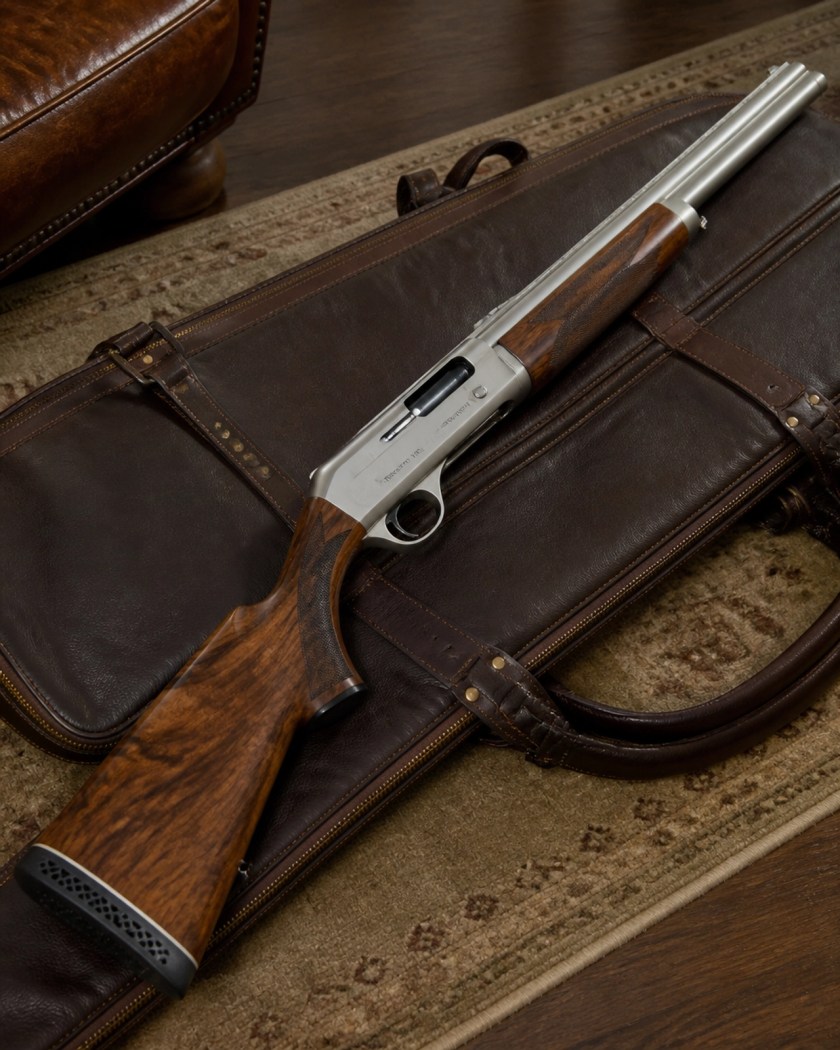
Tokarev TX3 shotgun with walnut stock

Myth 5: You Need to Spend $600+ for a "Serious" Gun

The idea that a firearm isn't "serious" unless it costs a month's rent is a marketing tactic, not a tactical reality.

The Reality: You can get a reliable, durable, and effective shotgun for under $250. That leaves you with $350+ left over in your budget for bulk ammunition, a quality sling, a weapon light, and: most importantly: range time.

A shooter who spends $200 on a Maverick 88 and $400 on practice ammo will always be more effective than a shooter who spends $600 on a gun and can't afford to feed it.


Comparison: Budget Shotgun Heavyweights

Feature Maverick 88 Stevens 320 Tokarev TX3
Origin USA (Texas) China (Savage Import) Turkey (SDS Import)
Action Pump Pump Pump
Capacity 5+1 to 7+1 5+1 5+1
Best For Reliability & Customizing Rock-bottom Budget Features & Aesthetics
Compatibility Shares Mossberg 500 parts Limited Limited

Why Buy From Wholesale Hunter?

If you're ready to pick up a budget workhorse, we make it easier (and cheaper) than anyone else:

  • Free Shipping on Long Guns: Every long gun we sell ships for free. No hidden fees at checkout.
  • Sezzle Payments: Want that Maverick 88 but want to keep your cash? Use Sezzle at checkout to buy now and pay later with zero interest.
  • Bulk Ammo Discounts: A shotgun is only as good as the ammo you have. We offer 5% off when you buy 10+ boxes of ammunition. Stock up on 12-gauge shells and save.
  • Review Rewards: Once you get your new shotgun and take it to the range, leave a review on our site. We'll give you 5% off your next order as a thank you.

Bulk 12-gauge ammunition boxes

The Final Verdict: Are They Worth It?

Yes. Absolutely.

Budget shotguns like the Maverick 88, Stevens 320, and Tokarev TX3 aren't just "good for the money": they are good guns, period. They allow more people to participate in the shooting sports, protect their homes, and put meat on the table without breaking the bank.

Don't let the myths keep you from a great firearm. Browse our full selection of shotguns today and find the one that fits your needs and your budget.

5 Accuracy Drills to Master With Your 9mm Before Moving to a Rifle

So, you’ve spent some time at the range with your handgun, and the "rifle itch" is starting to set in. We get it. There is something uniquely satisfying about the precision and power of a 5.56 NATO rifle. But before you make the leap to a long gun, there is a secret that many expert shooters know: the fundamentals of accuracy are exactly the same, whether you're holding a 9mm pistol or a rifle.

In fact, mastering your 9mm handgun first is one of the smartest moves you can make. Handguns are less forgiving; they amplify every tiny mistake in your grip and trigger press. If you can punch a single hole in a target with a pistol, you’ll be a natural when you finally shoulder that rifle.

At Wholesale Hunter, we’ve been helping shooters gear up since 1998, and we love seeing folks progress in their skills. To help you bridge the gap, we’ve put together five essential accuracy drills you can do at the range with your 9mm.

Let’s dive into the basics and get those groups tightened up.


Why 9mm is the Best Teacher for the Rifle

You might be wondering, "Why not just start with the rifle?" While we love a good range day with a carbine, the 9mm platform offers a few distinct advantages for training:

  1. Cost: Practice makes perfect, and bulk 9mm ammunition is significantly more affordable than most rifle rounds. (Plus, at Wholesale Hunter, you get 5% off when you buy 10+ boxes!)
  2. Focus on Grip: Because you don't have a stock to brace against your shoulder, your hand strength and "master grip" are tested more thoroughly.
  3. Trigger Discipline: Handgun triggers often have more "character" than a crisp rifle trigger. If you can master a striker-fired 9mm press, a rifle trigger will feel like a dream.

The Fundamentals: A Quick Refresher

Before we hit the drills, remember the "Big Three" that apply to both 9mm and 5.56 platforms:

  • Sight Alignment: Your front sight should be perfectly centered in the rear notch.
  • Grip: High and tight on the tang of the pistol. No "teacup" grips here!
  • Trigger Control: A slow, steady press straight to the rear. You want the shot to "surprise" you.

1. The Wall Drill (Zero Recoil Mastery)

This is the only drill on the list that you can: and should: do at home (with an unloaded firearm, of course).

The Setup: Stand about two feet away from a blank, white wall. Ensure your pistol is completely clear and there is no ammunition in the room.
The Drill: Focus entirely on your front sight. Slowly press the trigger while maintaining a perfect sight picture against the white background.
The Goal: The front sight shouldn't move a millimeter when the striker or hammer drops. If it dips or twitches, you’re "milking" the grip or flinching. This muscle memory is exactly what you’ll need for precision rifle shots later.


2. The Ball and Dummy Drill

This is the ultimate "truth-teller" for shooters who have developed a flinch.

Loading a magazine with live rounds and red snap caps

The Setup: You’ll need a few Tipton Snap Caps or dummy rounds. If you have a shooting buddy, have them load your magazine with a random mix of live 9mm rounds and snap caps. If you’re alone, look away while you load the mag.
The Drill: Fire at your target as normal. When you reach a snap cap, the gun won't go bang.
The Result: If the muzzle dips or your hands jerk when the gun clicks, you’ve caught yourself flinching in anticipation of the recoil. It’s a humbling but essential drill to fix trigger-jerk before you move to the louder, faster 5.56 NATO platform.


3. The Ragged-Hole Drill

We call this "pure accuracy."

The Setup: Place a target at just 3 or 5 yards. Pick a very small point of aim: the smaller, the better.
The Drill: Fire five rounds at that single point. Don't worry about how fast you're going. Focus entirely on making every shot go into the exact same hole.
The Goal: You’re aiming for a "ragged hole" where the bullets have literally chewed through the same piece of paper. This level of precision is what makes a great marksman. Once you can do it at 5 yards, move the target to 7, then 10.


4. Dot Torture (The Precision Test)

If you want to challenge yourself, search for a "Dot Torture" target. It consists of ten small circles, each requiring a different skill (slow fire, weak hand only, reloads, etc.).

A shooter's POV through 9mm sights at a dot target

The Setup: Place the target at 3 yards. It sounds close, but those 2-inch dots get small very fast.
The Drill: Follow the instructions for each dot. For beginners, focus on Dot 1: five rounds of slow fire.
Why it Works: This drill teaches you that "close enough" isn't good enough. In the world of rifles and optics, precision is measured in fractions of an inch. Dot Torture gets your brain used to that level of scrutiny.


5. The Transition Cadence Drill

This drill starts preparing your body for the rhythm of rifle shooting.

The Setup: Two targets placed about 3 yards apart.
The Drill: Fire one round on Target A, then smoothly move your sights and fire one round on Target B. Focus on "driving" the gun with your eyes first, then the sights.
The Goal: Keep your hits in the center "A-zone" while maintaining a steady rhythm (one-thousand-one, one-thousand-two). This helps you manage recoil and sight recovery, which is vital when you start shooting a semi-auto rifle like a Ruger AR-556 or a Smith & Wesson M&P15.


Ready for the Next Step?

Once you’ve spent a few sessions mastering these 9mm drills, you’ll find that your confidence has skyrocketed. You’ll be less prone to flinching, your trigger press will be smooth as glass, and you’ll understand how to "read" your sights.

Now, it’s time for the fun part: the move to the rifle.

A 9mm pistol and a 5.56 rifle on a range bench

At Wholesale Hunter, we make the transition easy. If you’re ready to pick up your first long gun, remember that we offer free shipping on all long guns. Whether you’re looking for a tactical 5.56 or a classic hunting rifle, we’ve got you covered.

Don't Forget the Gear!

  • Stock up on Ammo: Use our bulk discounts to keep your training costs down. Check out our 9mm inventory here.
  • Flexible Payments: If you’re eyeing a premium rifle but want to spread out the cost, we offer Sezzle. You can buy now and pay later with no interest.
  • Get Rewarded: After your range day, leave a review of your gear! Our customer review rewards program gives you 5% off your next order.

Training is a journey, not a destination. Take your time with your 9mm, master those fundamentals, and we’ll see you on the rifle range!


410 Slugs for Sale: 5 Best Loads for Hunting and Range Practice in 2026

For a long time, the .410 bore was tucked away in the "beginner's gun" category, often relegated to squirrels or clay birds. But in 2026, the .410 has seen a massive resurgence. Whether it’s because of the growing popularity of ultralight survival guns or hunters looking for a low-recoil challenge, the demand for high-quality .410 slugs is at an all-time high.

Finding the right 410 slugs for sale can be a bit of a maze. Are you hunting whitetail at close range? Dealing with pests around the farm? Or just punching paper at the 50-yard line? Not all slugs are created equal, and in a .410, every grain of lead and every foot-per-second matters.

At Wholesale Hunter, we’ve been outfitting hunters since 1998, and we’ve seen exactly which loads our customers keep coming back for. Today, we’re breaking down the five best .410 slugs on the market this year to help you pick the perfect round for your shotgun.


1. Federal Power-Shok .410 Rifled Slug (1/4 oz)

If you are looking for a dedicated hunting load that punches above its weight class, the Federal Power-Shok is a top-tier contender.

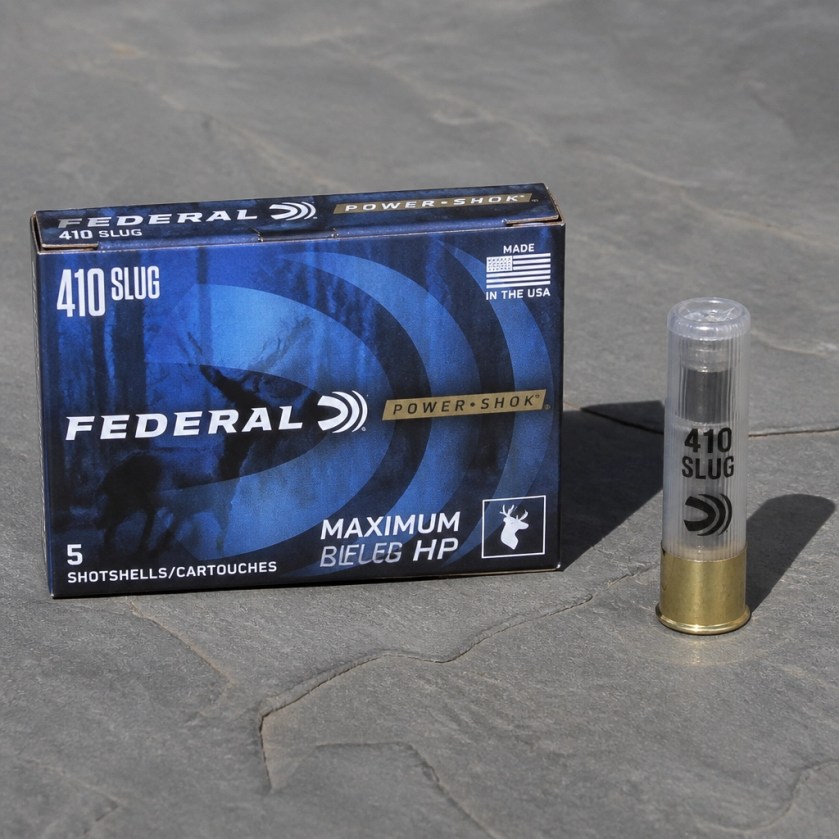
Federal Power-Shok .410 slug box and shell on a clean surface

Most traditional .410 slugs are 1/5 oz, but Federal bumps that up to a full 1/4 oz (about 109 grains). With a muzzle velocity of approximately 1,775 fps, it generates roughly 765 ft-lbs of energy. For context, that’s more muzzle energy than many 10mm handgun hunting loads.

Why we love it:

  • Expansion: This lead Foster-style slug is designed to expand significantly upon impact.
  • Energy: It offers one of the best energy-to-weight ratios in the .410 world.
  • Hunting Ready: It is a go-to choice for deer-sized game, provided you keep your shots within 50 yards.

Best For: Deer hunting in thick brush and medium-sized game.


2. Winchester Super-X .410 Rifled Slug

Winchester is a household name for a reason. Their Winchester Super-X line is the "old reliable" of the ammo world. Available in both 2.5-inch and 3-inch shells, these slugs are known for their consistency and availability.

The 3-inch version features a 1/4 oz slug traveling at 1,800 fps. It’s a hollow-point design that is specifically engineered for maximum upset. If your shotgun has a 3-inch chamber, this is arguably the most versatile round you can buy.

Why we love it:

  • Versatility: Great for both hunting and serious range practice.
  • Reliability: These cycle well in almost every modern .410, from revolvers to semi-autos.
  • Bulk Savings: Since these are so popular, they are often available for bulk ammunition discounts: save 5% when you buy 10 boxes or more at Wholesale Hunter!

Best For: All-around performance and hunters who want a 3-inch shell.


3. Hornady Critical Defense .410

It’s important to clarify what the Hornady Critical Defense is: and what it isn't. While it's listed among the top "slug" loads, it’s actually a unique defensive round that often utilizes a combination of a slug and buckshot or a specifically designed defensive projectile.

Loading a .410 slug shell into a modern hunting shotgun

For range practice with your defensive firearm (like a Taurus Judge or Smith & Wesson Governor), this is the gold standard. However, for hunting deer at 50 yards, you’re better off with the Federal or Winchester options mentioned above. The Critical Defense load is optimized for short-range stopping power.

Why we love it:

  • Technology: Hornady’s Flex Tip technology prevents clogging and ensures reliable expansion.
  • Low Recoil: Extremely manageable for rapid follow-up shots in a defensive scenario.
  • Specialized: The best choice for home defense or trail protection.

Best For: Home defense and practice with defensive .410 revolvers.


4. Remington Slugger .410 (1/5 oz)

The Remington Slugger is the "everyman's" slug. It’s a slightly lighter 1/5 oz (87.5 grain) Foster-style slug that exits the barrel at a blistering 1,815 fps. Because it's a bit lighter than the Federal or Winchester 1/4 oz loads, it offers a flatter trajectory out to 50 yards.

While it has a bit less "thump" on the receiving end compared to the 1/4 oz loads, it is incredibly accurate out of smoothbore barrels. This is the round we usually recommend for younger shooters or those sensitive to recoil who still want to hit the range or hunt small game.

Why we love it:

  • Affordability: Usually one of the most budget-friendly options for high-volume range time.
  • Speed: High muzzle velocity helps with accuracy at typical .410 ranges.
  • Availability: We almost always have these in stock and ready to ship.

Best For: High-volume range practice and small-game hunting (coyotes, foxes, etc.).


5. Bear Ammo / Brenneke-Style Heavy Slugs

When people talk about "Bear Ammo" in .410, they are usually referring to heavy, hard-cast Brenneke-style slugs. Unlike the soft lead Foster slugs that expand quickly, Brenneke slugs are designed for deep, straight-line penetration.

These slugs (often 114 grains or more) are the closest thing the .410 has to a "big game" round. They don't deform as easily as lead, allowing them to punch through bone and muscle more effectively. If you are carrying a .410 in bear country for protection, or if you're hunting hogs, this is the design you want.

Why we love it:

  • Penetration: Unmatched by traditional lead slugs.
  • Stability: The attached wad design helps the slug stay stable in flight even out of smoothbore barrels.
  • Toughness: Built for animals that require more than just a surface wound.

Best For: Hog hunting, deep penetration, and trail protection.


Range Practice vs. Hunting: What You Need to Know

In 2026, the technology in shotgun ammo has come a long way, but the physics of the .410 remain the same.

A hunter checking a target at a 50-yard shooting range

At the Range

You can easily ring steel or punch groups at 100 yards with any of the slugs listed above. It’s a great way to hone your marksmanship. Because .410 has such light recoil, you can spend an afternoon at the range without the "shooter's shoulder" you'd get from a 12-gauge.

In the Field

Ethical hunting is about energy. While a .410 slug can fly 100 yards, it loses energy rapidly. By the time it hits 100 yards, it often has less energy than a .38 Special handgun. We recommend keeping all hunting shots on deer-sized game under 50 yards. This ensures you have enough kinetic energy for a clean, humane harvest.


Why Buy from Wholesale Hunter?

We know you have choices when looking for 410 slugs for sale, but we try to make the decision easy for you:

  1. Expertise: We’ve been in the sporting goods business since 1998. We know our gear.
  2. Flexible Payments: We offer Sezzle at checkout: buy your ammo today and pay for it in four interest-free installments.
  3. Bulk Discounts: Buying for a long season? Save 5% when you purchase 10 or more boxes of the same ammunition.
  4. Free Shipping: We offer free shipping on all long guns, so if you're looking for a new 410 shotgun to go with those slugs, we've got you covered.
  5. Rewards: Write a review of your purchase and get 5% off your next order. It’s our way of saying thanks for being part of the community.

Whether you're gearing up for a youth hunter’s first season or you're an experienced shooter looking for a new challenge, the .410 slug is a capable and fun round to master. Check out our full selection of in-stock ammo today!


How to Set Up Your Kel-Tec PLR-16 for Home Defense: 5 Accessories You Need Right Now

If you’ve picked up a Kel-Tec PLR-16, you already know it’s one of the most unique platforms on the market. It’s a gas-piston operated 5.56 NATO pistol that packs the punch of a rifle into a package small enough to maneuver through a hallway with ease. But straight out of the box, the PLR-16 is a bit of a “blank canvas.”

While it’s a blast at the range, setting it up for home defense requires a few specific upgrades to ensure it’s reliable, controllable, and effective in a high-stress situation. Since we started serving the outdoor community in 1998, we’ve seen a lot of shooters try to turn "fun guns" into "defensive guns." The PLR-16 is a prime candidate for this, but you have to do it right.

Here are the five essential Kel-Tec PLR-16 accessories you need to turn this pistol into a premier home-defense tool.


1. High-Quality Micro Red Dot Sight

The PLR-16 comes with basic iron sights, but let’s be honest: in a home-defense scenario at 3:00 AM, you don’t want to be squinting to align a short-radius front post. Because the PLR-16 has a very short sight radius, a red dot optic is almost mandatory for rapid target acquisition.

A micro red dot allows for "both eyes open" shooting, which is critical for maintaining situational awareness. We highly recommend looking at something like a Holosun Micro Red Dot or a Sig Sauer Romeo5. These optics are lightweight, meaning they won't throw off the balance of the polymer frame, and many feature "Shake Awake" technology so the dot is ready the moment you grab the gun.

A close-up, realistic photo of a modern micro red dot sight mounted on a Picatinny rail

Why it matters for home defense: You need to be fast. A red dot simplifies the aiming process to a single point of focus, which is a massive advantage when your adrenaline is pumping.


2. Reliability Upgrades: Magpul PMAGs

The PLR-16 famously ships with a 10-round magazine, but its greatest strength is that it accepts standard AR-15 magazines. For home defense, 10 rounds isn't enough, and the factory polymer mags can sometimes be finicky compared to the industry standards.

The Magpul PMAG 30 is the gold standard for a reason. They are incredibly durable, have a non-tilt follower that prevents feeding jams, and they fit the PLR-16 like a glove. If you find the 30-rounders a bit too long for a compact setup, a 20-round PMAG offers a lower profile while still giving you double the capacity of the factory mag.

A stack of three black Magpul PMAG 30-round AR-15 magazines on a range bag

Pro Tip: Don't forget that at Wholesale Hunter, we offer bulk ammunition discounts: you can get 5% off when you buy 10 or more boxes of 5.56 NATO. It’s always better to have your defensive mags loaded with high-quality rounds you’ve actually tested at the range.


3. Muzzle Device: Taming the Fireball

If you’ve ever shot a PLR-16 at dusk, you know it produces a legendary muzzle flash. That "fireball" is fun at the range, but indoors, it can be blinding. The 9.2-inch barrel is threaded 1/2×28, which is the standard AR-15 pitch, meaning you have thousands of options for muzzle devices.

For home defense, you want to avoid large "brakes" that redirect blast to the sides: your ears (and anyone else in the house) will thank you. Instead, look for a dedicated flash hider or a linear compensator. An A2 Birdcage is a budget-friendly and effective way to reduce that blinding flash, while a linear compensator pushes the sound and blast forward away from the shooter.

A close-up of a muzzle on a 5.56 rifle barrel showing a classic A2 birdcage flash hider

Why it matters: In a dark house, a single shot from a bare 9-inch 5.56 barrel can wash out your night vision. A good flash hider keeps you in the fight.


4. Single-Point Sling for Stability

The PLR-16 is a pistol, and it doesn't come with a stock. This can make it feel a bit "jumpy" during rapid fire. One of the best ways to stabilize this platform is by using a single-point tactical sling.

By attaching the sling to the rear mount and pushing the pistol forward until the sling is taut, you create a "third point of contact." This tension stabilizes the red dot and helps manage the recoil of the 5.56 round. It also ensures that if you need to use your hands for something else: like grabbing a phone or opening a door: the gun stays securely on your body.

A single-point tactical bungee sling attached to the rear of a modern polymer pistol-style carbine


5. The Kel-Tec Forend & Tactical Light

You cannot defend what you cannot see. Positive target identification is the #1 rule of home defense. The base PLR-16 doesn't have a handguard, which means if you shoot it enough, that barrel gets hot.

Adding the Kel-Tec polymer forend solves two problems at once: it protects your hands from heat and provides a bottom Picatinny rail. This rail is where you should mount a high-quality weapon light. We recommend a compact light like the Streamlight TLR series. It’s powerful enough to illuminate a room and durable enough to handle the blast of the 5.56 round.

Kel-Tec PLR-16 Home Defense Checklist:

  • Optic: Holosun or Sig Red Dot
  • Magazines: Magpul PMAG 20 or 30
  • Muzzle: A2 Flash Hider or Linear Comp
  • Sling: Single-point bungee
  • Light: Streamlight TLR-1 or similar

Final Thoughts

The Kel-Tec PLR-16 is a formidable tool, but it’s only as good as the accessories you choose to support it. By adding a clear optic, reliable magazines, and a way to identify your target in the dark, you take a unique range toy and turn it into a serious defensive firearm.

When you shop with us at Wholesale Hunter, we want to make sure you get the best deal possible. That’s why we offer:

  • Flexible Payments: Use Sezzle at checkout to buy now and pay later with no interest.
  • Free Shipping: We offer free shipping on all long guns, so if you're looking to add a rifle or shotgun to your safe alongside your PLR-16, we've got you covered.
  • Rewards Program: Leave a review on your purchase and get 5% off your next order.

Setting up your home defense rig doesn't have to be a headache. Grab these five essentials, head to the range to train, and rest easy knowing you're prepared.

Stay safe and happy shooting!

The Kel-Tec PLR-16 Owner’s Guide: 5 Must-Have Accessories for a Better Shooting Experience

If you’ve ever pulled the trigger on a Kel-Tec PLR-16, you know exactly what the "PLR" stands for: Pistol, Long Range. But for many of us, it also stands for "Powerful, Loud, and Really fun." Chambered in 5.56 NATO/.223 Remington, this 9.2-inch barreled powerhouse packs the punch of a rifle into a compact, 3.4-pound package.

While it’s a blast to shoot straight out of the box, the PLR-16 is notorious for two things: a massive muzzle flash and significant "thump" from the short barrel. To turn this compact fireball into a smooth-shooting, precision machine, you need the right setup.

Whether you’re using it for silhouette shooting, small game hunting, or just as the ultimate "backpack gun," here are five must-have accessories to take your PLR-16 experience to the next level.


1. A Quality Muzzle Brake (The "Tamer")

The single most effective upgrade you can give your PLR-16 is a high-performance muzzle brake. Because of the short barrel, the expanding gases from a 5.56 round create a substantial amount of blast and muzzle rise.

The PLR-16 comes factory-threaded with a 1/2×28 TPI pitch, which is the same standard used by most AR-15s. This means you have a world of options at your fingertips. A dedicated muzzle brake or a linear compensator will redirect those gases to flatten out the recoil and keep your muzzle on target.

If you’re shooting at an indoor range, we highly recommend a linear compensator, which pushes the blast forward and away from the shooter (and your neighbors). For outdoor performance, a multi-port brake like the SureFire ProComp or a VG6 Delta will significantly reduce the "jump" after every shot.

Detailed view of a 1/2x28 muzzle brake attached to a threaded pistol barrel.


2. A Micro Red Dot Sight

The PLR-16 features a built-in Picatinny rail on the top of the receiver, practically begging for an optic. While the factory iron sights are functional, they have a relatively short sight radius. To truly unlock the "Long Range" potential of this pistol, a red dot is essential.

Since one of the PLR-16's greatest strengths is its lightweight design, you don’t want to weigh it down with a heavy scope. A micro red dot sight is the perfect middle ground. It provides lightning-fast target acquisition and allows you to keep both eyes open, which is a huge advantage when navigating a range or a hunting field.

Look for a durable, compact optic with a 2 MOA dot. Brands like Holosun or Vortex offer fantastic micro dots that sit low on the rail and don't bulk up the pistol’s profile.

A micro red dot sight mounted on a Picatinny rail for fast target acquisition.


3. Upgraded Forend (Heat Management)

If you plan on spending more than five minutes at the range, you’ll quickly notice that the PLR-16’s barrel gets hot: fast. The standard polymer forend is fine for casual use, but for more intensive sessions, an upgraded forend is a game-changer.

Kel-Tec offers a specialized Aluminum Forend (and sometimes compact polymer versions) that provides better heat dissipation. More importantly, these upgraded forends often feature additional rail space. This allows you to mount a weapon light or a hand stop.

A quick tip for the legal-conscious shooter: While the PLR-16 looks like it could take a vertical grip, remember that adding one to a pistol can change its legal classification under NFA rules. Many owners prefer an angled foregrip (AFG) or a simple hand stop to improve ergonomics while staying firmly within the "pistol" category.


4. Single-Point Tactical Sling

Stability is key when shooting a high-powered pistol. Unlike a rifle, you don't have a stock to brace against your shoulder. This is where a single-point sling becomes more than just a carrying strap: it becomes a shooting aid.

By attaching a single-point sling to the rear of the PLR-16 and pushing the pistol forward against the tension of the strap, you create a "third point of contact." This tension stabilizes the gun significantly, making it much easier to manage recoil and stay on target for follow-up shots.

It’s a simple, affordable addition that makes the 5.56 recoil feel much more manageable. Check out our selection of tactical slings to find one that fits your style.

A heavy-duty tactical single-point sling designed for stability and easy carry.


5. Hogue Handall Grip Sleeve

Ergonomics can make or break your shooting experience. The PLR-16’s grip is made of the same durable polymer as the frame, which is tough but can feel a bit "slick" if your hands get sweaty or if you're shooting in the rain.

A Hogue Handall or a similar rubber grip sleeve is a small investment that pays off every time you pick up the gun. These sleeves provide a "cobblestone" texture and finger grooves that give you a much firmer purchase on the firearm. It absorbs a tiny bit of vibration and ensures the gun stays exactly where you want it in your hand.


Don't Forget the Fuel: Bulk Ammo Discounts

Once you’ve got your PLR-16 decked out with a brake, a red dot, and a sling, you’re going to want to shoot it. A lot.

At Wholesale Hunter, we know that feeding a 5.56/.223 can get expensive, which is why we offer a 5% discount when you buy 10 or more boxes of ammunition. For the high-volume shooters, our bulk .223 Remington cases are the best way to keep your range days going without breaking the bank.

A bulk box of .223 Remington ammunition, perfect for high-volume shooting sessions.

Why Shop With Wholesale Hunter?

Since 1998, we’ve been helping shooters find exactly what they need at competitive wholesale pricing. When you're building out your "ultimate compact powerhouse," we're here to help with:

  • Flexible Payments: Use Sezzle to buy your accessories now and pay later with no interest.
  • Free Shipping: We offer free shipping on all long guns (perfect for when you decide to add a rifle to your collection!).
  • Expert Knowledge: From caliber dictionaries to detailed blog guides, we’re gun enthusiasts just like you.

The Kel-Tec PLR-16 is one of the most unique pistols on the market. With the right accessories, it’s not just a range toy: it’s a precision-capable, compact powerhouse.

Ready to start your build? Shop our full selection of firearm accessories here!

Looking for Cheap .38 Special Ammo? Here Are 10 Things You Should Know About Range Training With a Revolver

There is something timeless about the .38 Special. Whether you’re carrying a snub-nosed revolver for self-defense or practicing with a full-sized 6-inch wheel gun, the .38 Special offers a perfect balance of manageable recoil and legendary reliability.

However, if you’re heading to the range every weekend, the cost of ammunition can start to bite. We all want to shoot more while spending less. If you’re on the hunt for cheap .38 Special ammo, you’ve come to the right place. At Wholesale Hunter, we’ve been helping shooters stock up since 1998, and we’ve learned a few tricks along the way.

Here are 10 things you need to know about range training with a revolver and how to keep your costs down without sacrificing quality.


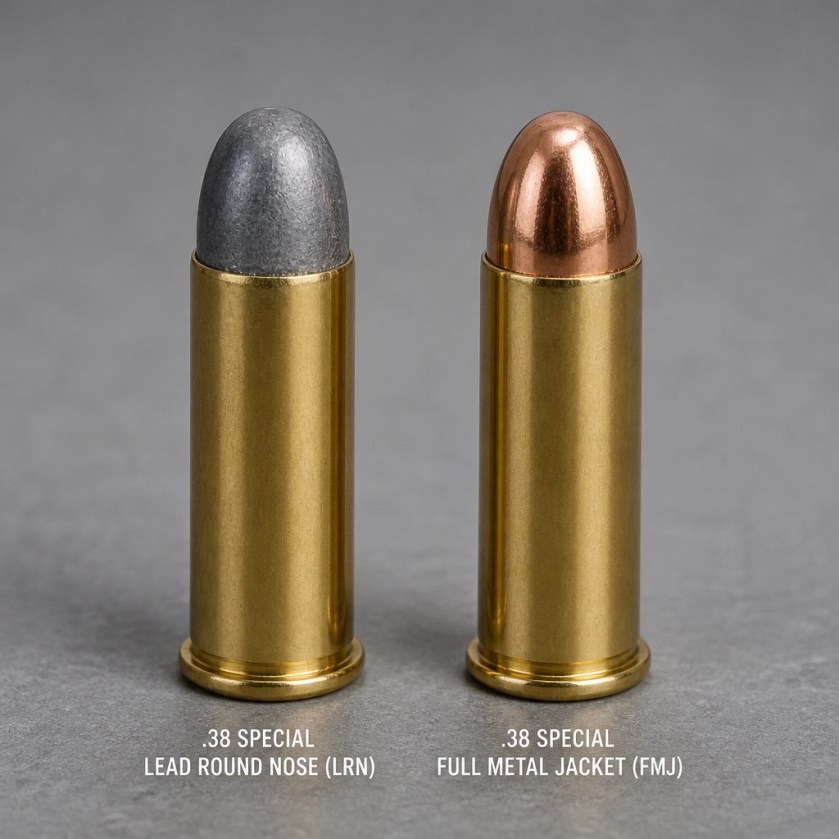
1. Understand the Difference: LRN vs. FMJ

When browsing for range ammo, you’ll mostly see two types: Lead Round Nose (LRN) and Full Metal Jacket (FMJ).

  • LRN (Lead Round Nose): These are simple, unjacketed lead bullets. They are often the most affordable option and are a staple for "cowboy action" shooting and basic target practice.
  • FMJ (Full Metal Jacket): These have a lead core encased in a harder metal (usually copper). They tend to run a bit cleaner through your barrel.

For most training, either is fine. Many experienced shooters prefer Magtech .38 Special LRN for high-volume practice because it’s soft-shooting and very economical.

Comparison of LRN vs FMJ .38 Special cartridges

2. Bulk Buying is Your Best Friend

If you buy one box at a time, you’re paying the "convenience tax." The best way to secure cheap .38 Special is to buy in bulk. At Wholesale Hunter, we make this even easier: if you buy 10 or more boxes of the same ammo, you get an automatic 5% discount.

When you stack that 5% discount on top of our already competitive wholesale pricing, the savings add up fast. Stocking up on brands like Sellier & Bellot or Federal American Eagle ensures you always have rounds ready for your next range trip.

3. Mastering the "Emergency Reload"

Unlike semi-autos, revolvers require more manual dexterity to reload under pressure. Your range time should include "Emergency Reload" drills:

  1. Fire until the gun is empty.
  2. Open the cylinder while bringing the gun to your "work area" (chest height).
  3. Point the muzzle up and sharply hit the ejector rod to clear spent casings.
  4. Point the muzzle down and index your speedloader.

Practicing this with live ammo (or dummy rounds at home) is essential for anyone using a revolver for self-defense.

Person practicing a revolver reload with a speedloader

4. Speed Strips vs. Speedloaders

Which should you train with?

  • Speedloaders: Faster and more intuitive, but they are bulky in a pocket.
  • Speed Strips: Flat and easy to conceal, but they require a "2-by-2" loading technique that takes more practice.

We recommend training with both. Use your affordable range ammo to get 100 repetitions in with your speed strips until the motion becomes muscle memory.

5. Don’t Fear the Lead, Just Clean for It

A common myth is that shooting unjacketed lead (LRN) will ruin your gun. While lead does leave more residue than FMJ, it’s easily managed. If you’re shooting 150+ rounds of lead in a session, just give your barrel and forcing cone a quick scrub with a bronze brush and some solvent afterward.

Keeping your revolver clean ensures the cylinder continues to cycle smoothly and the extraction remains "drop-free."

Cleaning kit with a revolver and bronze brush

6. Standard Pressure vs. +P

Most .38 Special training ammo is "Standard Pressure." This is what you want for 90% of your range work: it’s easier on your hands and your gun. However, if you carry +P (Higher Pressure) ammo for self-defense, you should occasionally fire a few rounds of it to understand the increase in recoil and muzzle flip.

Note: Check your revolver’s manual to ensure it is rated for +P before loading it!

7. The Importance of Bullet Weight

Most .38 Special rounds come in 130-grain or 158-grain weights.

  • 130-grain: Often found in FMJ loads like Winchester Target & Range. These have slightly less recoil.
  • 158-grain: The classic weight that matches the point of aim for many fixed-sight revolvers.

If your shots are hitting low or high, try switching bullet weights before adjusting your sights.

8. Dry Fire: The "Free" Training Hack

You don't always need to spend money to get better. Revolver triggers (especially in Double Action) are notoriously heavy. Spending 10 minutes a day dry-firing your empty revolver will strengthen your trigger finger and improve your steady-sights press. Just make sure the firearm is completely unloaded and you are in a safe environment!

9. Buy Now, Pay Later with Sezzle

We know that stocking up on a 500-round or 1,000-round case of .38 Special can be a big upfront investment. To help our customers, Wholesale Hunter offers Sezzle. This allows you to split your purchase into four interest-free payments over six weeks. It’s a great way to take advantage of bulk discounts today while managing your budget.

10. Wash Your Hands!

Since many cheap .38 Special options use exposed lead bullets, it’s important to practice good hygiene. After a long session at the range or a cleaning session at your bench, wash your hands thoroughly with cold water and soap to remove any lead residue.


Ready to Hit the Range?

Whether you're a seasoned pro or just bought your first Smith & Wesson, training with a revolver is a rewarding experience. It forces you to focus on the fundamentals of grip, trigger control, and timing.

Don't let high prices keep you off the firing line. Check out our full selection of in-stock .38 Special Ammunition today. Remember, buy 10+ boxes and save 5% automatically, and if you’re looking to add a new long gun to your collection, we offer free shipping on all long guns!

Happy shooting!

Range Bag Essentials: What to Pack for a Great Day at the Range

There is nothing quite like the smell of gunpowder in the morning or the satisfying "ping" of steel targets at a hundred yards. Whether you’re heading out for a quick pistol session or a full day of tactical drills, a great day at the range starts long before you pull the trigger. It starts with your bag.

We’ve all been there: you get to the firing line, get settled in, and realize you forgot your stapler. Or worse, you realize you brought three magazines for your 1911 but zero for your AR-15. A well-organized range bag isn’t just about looking "tactical"; it’s about maximizing your time and minimizing frustration.

As your friends here at Wholesale Hunter, we’ve spent decades on the line. We’ve seen the "oops" moments and the gear failures, and we’ve learned what truly earns a spot in your pack. Here is our friendly guide to the range bag essentials that will keep your shooting sessions smooth, safe, and productive.

The Foundation: Choosing Your Bag

Before we talk about what goes in the bag, let’s talk about the bag itself. While an old gym bag might work for a while, a dedicated range bag is a game-changer.

Look for something with reinforced stitching and heavy-duty zippers. Ammunition is heavy, and a cheap zipper will be the first thing to fail under the weight of a few hundred rounds. Ideally, you want a bag with padded internal dividers to protect your handguns and plenty of outer pockets for small tools, magazines, and cleaning supplies. Keeping your gear organized means you spend less time digging and more time training.

Eyes and Ears: The Non-Negotiables

Safety isn’t just a rule; it’s the foundation of everything we do. You only get one set of eyes and ears, so don't skimp on protection.

Eye Protection

Always pack impact-rated shooting glasses. Look for the ANSI Z87.1 rating to ensure they can handle flying brass or debris. We recommend carrying two pairs: a clear set for indoor or low-light use, and a tinted set for those bright, sunny days at the outdoor range.

Hearing Protection

Electronic ear protection is arguably the best investment a shooter can make. They amplify ambient conversation so you can hear range commands and chat with friends, but instantly clip out the loud report of a shot. If you’re shooting indoors or standing next to someone running a muzzle brake, "doubling up" with disposable foam plugs under your muffs is a pro tip that your future self will thank you for.

Electronic earmuffs and impact-rated shooting glasses on a shooting mat.

Feeding the Fire: Ammo and Organization

Let’s get to the fun part: the ammo. Whether you’re a high-volume pistol shooter or a precision rifle enthusiast, how you pack your rounds matters.

9mm: The High-Volume Staple

If you’re working on your draw or running drills, chances are you’re burning through plenty of 9mm. It’s the go-to caliber for a reason: it’s affordable and reliable. We always suggest packing at least 50 rounds more than you think you’ll need. Brands like Magtech or CCI Blazer are fantastic options for range days because they offer consistent performance without breaking the bank.

5.56 NATO: For the Carbine Enthusiasts

For those bringing their AR-15 out to play, 5.56 NATO is the standard. We’re big fans of PMC X-TAC for training. It’s brass-cased, dependable, and keeps your rifle running through long sessions.

Penny’s Pro Tip: Did you know that at Wholesale Hunter, you get 5% off your ammunition when you buy 10 or more boxes of the same item? Whether you’re stacking 9mm for the handgun or 5.56 NATO for the rifle, buying in bulk is the best way to keep your range fees down and your round count up.

A stack of 9mm and 5.56 NATO ammunition boxes on a wooden table.

The Versatile Workhorse: Budget Shotguns

Sometimes a range day isn't about high-speed drills; it’s about the sheer fun of shooting clays or testing out defensive loads. We’ve noticed a huge uptick in folks bringing budget shotguns to the range lately.

Options like the Maverick 88 are incredibly popular because they are rugged, reliable, and don't cost a fortune. They are the perfect "entry point" for new shooters or a dependable backup for veterans. If you’re looking to add one to your collection, remember that we offer free shipping on all long guns at Wholesale Hunter. It’s a great way to save a few extra bucks that you can put right back into more shells!

A pump-action shotgun on a range bench with 12-gauge shells.

Field Maintenance: Tools of the Trade

Guns are machines, and machines sometimes need a little TLC in the field. You don’t need a full workbench, but a few maintenance essentials can save a range trip from being cut short.

  • Multitool: For tightening loose optics or adjusting a sling.
  • Bore Snake: A quick pull through the barrel of your 9mm or 5.56 rifle can keep things running smoothly if you’re shooting "dirty" practice ammo.
  • CLP (Cleaner, Lubricant, Protectant): A small bottle of gun oil is a lifesaver. If your slide starts to feel sluggish, a drop of lube is usually all it takes.
  • Squib Rod: Hopefully, you never need it, but having a rod to clear a stuck projectile is better than having to drive home early.

Safety & Health: More Than Just Band-Aids

We always hope for a boring day in terms of medical needs, but being prepared is part of being a responsible shooter.

A dedicated IFAK (Individual First Aid Kit) should live in your range bag. This isn't just for small cuts; it should include a tourniquet, pressure bandages, and hemostatic gauze. In the unlikely event of a serious accident, these tools save lives.

On the lighter side of health, don’t forget lead-removal wipes. After a long day of handling ammo and firearms, you want to get those heavy metals off your hands before you grab a burger on the way home.

A tactical first aid kit (IFAK) with a tourniquet and medical supplies.

The Comfort Extras

Finally, let's talk about the things that turn a "good" range day into a "great" one. These are the items people often forget but always end up borrowing.

  1. Targets and Staples: Don't rely on the range to have what you want. Pack a variety of paper targets and a heavy-duty stapler (with extra staples!).
  2. A Sharpie: Use it to mark your hits, label your magazines, or take notes on your groups.
  3. Water and Snacks: Dehydration leads to fatigue, and fatigue leads to poor shooting. Keep a couple of water bottles and a high-protein snack like jerky in a side pocket.
  4. A Hat: A simple baseball cap does more than keep the sun out of your eyes; it helps prevent hot brass from falling behind your shooting glasses.

Ready to Head Out?

Packing the perfect range bag is a bit of an art form, and it evolves the more you shoot. The goal is to be self-sufficient so you can focus on your marksmanship and have a blast with your friends.

Whether you're looking for the best deals on bulk 9mm and 5.56 NATO, searching for reliable budget shotguns, or needing a new set of electronic muffs, we’ve got you covered. At Wholesale Hunter, we’ve been serving the shooting community since 1998 with competitive pricing and expert advice.

Plus, we know that gear adds up. That’s why we offer flexible payment options through Sezzle, so you can buy now and pay later with no interest. And don't forget to leave a review of your gear: our Review Rewards program gives you 5% off your next order just for sharing your experience!

See you on the firing line!


5 Best Budget Shotguns Under $300 for Range Day and Field Use

Let’s be honest: you don't always need to drop a month’s rent to have a blast at the range or a successful day in the field. While those high-end, Italian-made over-unders are beautiful, there’s a special kind of satisfaction that comes from finding the best shotgun under 300.00 that actually performs.

Whether you’re a beginner looking for your first firearm, a seasoned shooter wanting a "truck gun" you don't have to baby, or you're just looking for a low-cost way to get into clay shooting, the budget shotgun market has never been better. At Wholesale Hunter, we’ve been helping shooters find the right gear since 1998, and we’ve seen these entry-level workhorses prove their worth time and time again.

In this guide, we’re breaking down the five best budget-friendly shotguns that won’t break the bank, plus some tips on the best ammo to pair with them for a perfect day out.


1. Mossberg Maverick 88: The Undisputed King of Budget Pumps

If you ask any group of shooters for the best budget shotgun recommendation, the Mossberg Maverick 88 will almost certainly be the first name mentioned. It is widely considered the gold standard for reliable, low-cost firearms.

The Maverick 88 is essentially the "blue-collar" version of the legendary Mossberg 500. While it trades some of the 500's features: like the tang-mounted safety: for a cross-bolt safety on the trigger guard, it maintains the same dual extractors, twin action bars, and positive steel-to-steel lockup that made Mossberg a household name.

Why It’s Great for Range Day

The Maverick 88 is a tank. You can run hundreds of rounds through it at the range without a hiccup. It’s compatible with most Mossberg 500 barrels and stocks, meaning you can customize it as you grow. If you're looking for a versatile starter, the Maverick 88 All Purpose 20 Gauge is a fantastic choice for younger shooters or those who prefer a bit less recoil.

Why It’s Great for the Field

Because it’s so affordable, you won’t cringe when it gets scratched by a briar patch or bumped in the back of the UTV. It’s a tool, plain and simple, and it’s built to work in the dirt.

A Maverick 88 style shotgun lying in the grass with clay pigeons


2. Stevens 320: The Tactical Value Choice

Produced by Savage Arms, the Stevens 320 has carved out a massive niche for itself by offering tactical features at a price point that seems almost impossible. It’s a clone of the Winchester 1300 design, known for its "speed pump" action where the recoil actually helps you begin the rearward stroke.

Why It’s Great for Range Day

If your idea of a range day involves running drills, shooting from behind cover, or practicing home defense scenarios, the Stevens 320 is built for you. Many models, like the Stevens 320 Tactical 12 Gauge, come standard with ghost ring sights and a sturdy synthetic stock. These sights make it incredibly easy to get on target quickly, making it a favorite for beginner tactical shooters.

Why It’s Great for the Field

While the "Tactical" models are shorter, Stevens also offers field versions with longer barrels. The 320 is a rugged, no-nonsense pump that handles 3-inch magnums just as well as light target loads.

A Stevens 320 Tactical shotgun at an outdoor shooting range


3. Stoeger P3000: The Rugged Workhorse

Stoeger is a member of the Benelli USA family, and they bring that "performance worth the price" mentality to the P3000. This is a shotgun designed to handle the toughest conditions without the premium price tag.

Why It’s Great for Range Day

The P3000 features a very slick action for a budget pump. It feels "broken in" right out of the box. For those who want to spend a Saturday afternoon dusting clay pigeons, the P3000 offers a consistent swing and a reliable cycle that keeps you focused on the bird, not the gun.

Why It’s Great for the Field

The P3000 is often praised for its ergonomics. It feels like a more expensive gun in the hands. It's frequently found in a standard black synthetic finish that resists the elements, making it an ideal companion for a rainy duck blind or a dusty upland trail.


4. Savage 301: The Minimalist’s Dream

Sometimes, you don't need five shots. Sometimes, the beauty is in the simplicity. The Savage 301 is a single-shot, break-action shotgun that is both incredibly affordable and surprisingly effective.

Why It’s Great for Range Day

Single-shot shotguns are the ultimate training tools. They force you to make every shot count. They are also incredibly lightweight and easy to carry. If you're teaching a new shooter the basics of firearm safety and "point of aim," the 301 is an excellent, non-intimidating starting point.

Why It’s Great for the Field

The Savage 301 has gained a cult following among turkey hunters, especially in the .410 bore. Because it’s so light, you can carry it all day through the woods without fatigue. It’s also a perfect "survival" style gun to keep in a cabin or a kit.

A Savage 301 single-shot shotgun resting on a log in an autumn forest


5. Citadel CDP-12: The Entry-Level Entry

The Citadel CDP-12 is often one of the most affordable pump-action shotguns on the market. It’s a straightforward, functional firearm that does exactly what it says on the tin: it shoots when you pull the trigger.

Why It’s Great for Range Day

If your primary goal is just to get trigger time without spending a lot of money, the CDP-12 is a solid "entry-level" option. It’s a great gun for learning the mechanics of a pump-action without a major financial commitment.

Why It’s Great for the Field

It’s lightweight and maneuverable. For casual small-game hunting or keeping around the farm for varmint control, it’s a reliable tool that you won't mind getting dirty.


Essential Range Day Ammo: .410 Slugs and .38 Special

A range day isn't just about the shotgun; it's about the experience. If you’re bringing out a smaller-bore shotgun or even a versatile revolver for some side-practice, you need the right ammo.

.410 Slugs for Sale

If you’ve picked up a .410 shotgun like the Savage 301, you'll want to try some slugs. While .410 is often thought of for birdshot, a slug transforms it into a very capable close-range tool. For those looking for 410 slugs for sale, the Bear Ammunition Silver .410Ga Slugs are a fantastic, high-velocity choice that offers great accuracy out of smoothbore barrels. They are perfect for target practice or even small-to-medium game within 50 yards.

Cheap .38 Special for Side Practice

Many shotgunners also enjoy carrying a sidearm during their range trips or field excursions. If you're looking for cheap 38 special to keep your skills sharp without emptying your wallet, we recommend checking out MagTech Sport Shooting .38 Special. These 158-grain lead semi-wadcutters are reliable, clean-burning, and incredibly affordable. Plus, don’t forget that at Wholesale Hunter, you get 5% off automatically when you buy 10 or more boxes of the same ammo! It’s the perfect way to stock up for a high-volume range day.

Close-up of .410 shotgun shells and .38 Special cartridges


Why Buy from Wholesale Hunter?

Finding the best shotgun under 300.00 is only half the battle; finding a retailer you can trust is the other half. Here at Wholesale Hunter, we make it easy to get your gear and get outside:

  • Free Shipping: We offer free shipping on all long guns, so the price you see is often the price you pay to get it to your local FFL.
  • Sezzle Payments: Want that new Stevens 320 today but want to pay over time? Use Sezzle at checkout to buy now and pay later with no interest.
  • Expert Support: We’ve been in the game since 1998. Whether you’re looking for reloading supplies or advice on the right optic, we’ve got you covered.
  • Rewards Program: Love your new shotgun? Leave a review and get 5% off your next order!

Whether you’re hitting the clays or heading into the woods, a budget-friendly shotgun is a fantastic way to enjoy the sport. Grab some shells, head to the range, and we’ll see you out there!

Derranger vs. Revolver: Which Pocket Pistol Is Better for Your Backup Gun Setup?

Hey folks, and welcome back to our daily range series here at Wholesale Hunter! Today, we’re diving into a classic debate that’s been happening around gun shop counters and shooting ranges for decades: the battle of the backup guns (BUGs).

Specifically, we’re looking at the two heavyweights of the "pocket pistol" world: the over-under derringer and the snubnose revolver. Whether you call it a derringer or a derranger (we see you, SEO searchers!), these tiny titans serve a very specific purpose. They are designed for deep concealment, last-ditch defense, or as a "New York Reload": the backup you grab when your primary goes down.

But which one belongs in your pocket or ankle holster? Let’s break down the pros, cons, and range-day realities of these two platforms.


The Derringer: Old School Cool and Deep Concealment

The derringer design is over 150 years old, but modern versions from manufacturers like Bond Arms have brought this platform into the 21st century with heavy-duty stainless steel and serious calibers.

Why Choose a Derringer?

The biggest advantage of a derringer, like the Bond Arms Texas Defender, is its profile. Because it lacks a cylinder, it is incredibly flat. This makes it a champion of deep concealment. In a proper pocket holster, it disappears in even the tightest jeans.

Derringers are also mechanically simple. You break the barrels open, drop two rounds in, and you’re ready. They are essentially "point and click" tools for extreme close-quarters situations.

The Trade-offs

The elephant in the room is capacity. With a derringer, you have exactly two shots. That’s it. In a high-stress defensive scenario, missing once means you've used 50% of your ammo.

Furthermore, they can be a handful to shoot. A small, light frame paired with a powerful 9mm round or a .38 Special creates significant felt recoil. It’s a "carry a lot, shoot a little" kind of gun.


The Snubnose Revolver: The Gold Standard for BUGs

For many concealed carriers, a 5-shot revolver (often called a "snubbie") is the ultimate backup. Whether you’re looking for a new model or hunting for a used 38 special at a local shop, there's a reason these remain so popular.

.38 Special vs 9mm Ammo Comparison

Why Choose a Revolver?

The snubnose revolver offers a significant jump in capacity over the derringer: usually 5 shots compared to 2. That 150% increase in ammo is a major comfort when things go south.

Revolvers are also famously reliable. They aren't sensitive to "limp-wristing" (a common issue with tiny semi-autos), and they will fire even if the muzzle is pressed directly into an attacker. If a round fails to fire, you simply pull the trigger again to get to the next one. This simplicity is why so many people look for cheap 38 special options to keep their training costs low.

The Trade-offs

The main downside is bulk. The cylinder adds width, which can lead to "printing" through your pocket. While you can find incredibly light aluminum or polymer-framed revolvers, they are still physically larger than a two-shot derringer.


Caliber Comparison: 9mm vs .38 Special

When setting up your backup gun, caliber choice is everything. Most modern pocket pistols are chambered in either 9mm or .38 Special.

  • 9mm Luger: This is often the preferred choice for those who want ballistic consistency and ammo commonality with their primary firearm. A high-quality 9mm Hydra-Shok load offers excellent expansion even from a short 2-inch barrel.
  • .38 Special: This is the classic revolver cartridge. It generally operates at lower pressures than 9mm, which can lead to slightly more manageable recoil in some setups. If your gun is rated for it, we highly recommend using a .38 Special +P Jacketed Hollow Point for self-defense to ensure you get the velocity needed for terminal performance.

For range practice, you can usually find USA-made 130gr FMJ as a cheap 38 special alternative to your defensive hollow points.


Training Tips for Your Backup Gun

Shooter Practicing with Pocket Pistol

Carrying a backup gun is only half the battle; you have to be able to use it. Here are some practical tips for your next range trip:

  1. Practice the Draw: Pocket and ankle draws are significantly more difficult than drawing from the waist. Practice with an empty gun at home until the motion is muscle memory.
  2. Contact Distances: Backup guns are meant for "bad breath" distances. Don't worry about hitting a bullseye at 25 yards. Focus on rapid, accurate fire at 3 to 7 yards.
  3. Manage the Trigger: Small revolvers often have heavy double-action triggers, and derringers require a deliberate hammer cock. Practice your trigger squeeze to avoid "pulling" your shots under stress.
  4. Ammo Matters: If you’re carrying a derringer, you need the best ammo possible since you only have two chances. Look for 9mm HP/XTP or similar high-performance rounds that are designed to expand at lower velocities.

Holster Setup: Carrying the BUG

How you carry your backup gun is just as important as the gun itself. A derringer might be small enough to toss in a pocket, but never carry a firearm without a holster. A holster protects the trigger guard and keeps the gun oriented correctly for a draw.

Leather Pocket Holster for Backup Gun

For revolvers, a molded kydex or high-quality leather pocket holster is key to breaking up the "gun shape" outline. For derringers, their small size allows for creative options like vest pockets or even specialized wallet-style holsters.


The Verdict: Which One Wins?

So, which should you choose for your backup gun setup?

Choose the Derringer if:

  • You need the absolute smallest, flattest gun possible.
  • You are comfortable with a two-shot capacity.
  • You want a secondary firearm that can be hidden in places even a snubnose won't fit.

Choose the Snubnose Revolver if:

  • You want more "room for error" with 5 rounds of ammunition.
  • You prefer a more traditional grip and a faster trigger pull.
  • You want a platform with a massive aftermarket for holsters and grips.

Whether you're looking for a derranger or a classic used 38 special, the best gun is the one you have on you when you need it most.

Ready to build your setup? Check out our full selection of ammunition and firearms right here at Wholesale Hunter. We’ve been serving the shooting community since 1998 with competitive wholesale pricing and expert advice. Don't forget: you get 5% off your next order when you leave a product review!

Until next time, stay safe and keep those groups tight!

Range Day Ready: 5 Budget-Friendly Essentials for Your Shooting Bag

There’s nothing quite like the smell of gunpowder in the morning and the satisfying "ping" of steel targets in the distance. Whether you’re a seasoned competitive shooter or someone who just picked up their first handgun for home defense, "Range Day" is the highlight of the week. But let’s be honest, between the cost of the lane rental, the gas to get there, and the ever-fluctuating price of brass, the hobby can start to feel a bit heavy on the wallet.

At Wholesale Hunter, we’ve been helping folks get outdoors since 1998, and if there’s one thing we’ve learned, it’s that you don’t need a platinum credit card to have a high-quality experience at the range. You just need to be smart about your gear.

Today, we’re breaking down five budget-friendly essentials that every shooter should have in their bag. These aren't just "cheap" fillers; they are practical, reliable tools that ensure your session is safe, productive, and, most importantly, affordable.

1. A Dedicated Tactical Range Bag (That Doesn’t Cost a Fortune)

Stop using that old gym duffel! We’ve all seen it: the guy at the range fumbling through a cavernous, unstructured bag trying to find a loose hex key or a spare magazine while his 9mm boxes tumble out the side.

A dedicated range bag is the foundation of a good session. You want something with reinforced bottoms and padded sleeves. Why? Because firearms and ammo are heavy. A standard backpack will eventually tear under the weight of several hundred rounds of 5.56 NATO.

Look for something like the Colt Tactical Range Bag. It provides the organization you need, slots for your magazines, separate "rugs" for your pistols, and enough room for your cleaning kit, without the premium "designer" price tag. When everything has a place, you spend less time digging and more time shooting.

Pro-Tip for Beginners: Keep a small notebook in your bag. Tracking your groupings and which brands of ammo your gun likes best is the fastest way to improve without spending extra money on "tacticool" gadgets.

2. Bulk Ammunition: The "5% Rule"

Ammunition is the biggest recurring expense for any shooter. If you’re buying one box at a time from the counter at the range, you’re likely paying a significant markup. To keep your costs down, you have to think ahead.

At Wholesale Hunter, we’re famous for our bulk ammunition discounts. It’s simple: when you buy 10 or more boxes of the same ammo, you automatically get 5% off. This is the absolute best way to stock up on high-volume rounds.

  • 9mm Luger: This is the gold standard for practice. If you want to keep your costs at rock bottom, look for 9mm ammunition from brands like Magtech or Fiocchi. Their FMJ (Full Metal Jacket) loads are reliable, clean-burning, and perfect for punching holes in paper.
  • 5.56 NATO: For the AR-15 enthusiasts, we highly recommend looking at bulk cases. The Atomic 5.56 NATO 62gr FMJ bulk packs are a fantastic value. They use Hornady bullets and reloadable brass, giving you premium performance at a wholesale price.
  • Cheap 38 Special: Revolver fans, we haven't forgotten you. Finding cheap 38 special can sometimes be a challenge, but sticking to brands like Sellier & Bellot in 50-round boxes is your best bet. Buy 10 boxes, grab that 5% discount, and you’re set for a month of practice.

A stack of 9mm and 5.56 NATO ammunition boxes with loose brass cartridges.

3. Reliable Eye and Ear Protection

Safety is the one area where you should never compromise, but that doesn't mean you have to spend hundreds of dollars on custom-molded earplugs.

Modern electronic hearing protection has become incredibly affordable. Unlike traditional "passive" muffs, electronic versions use microphones to amplify low-level sounds (like your instructor speaking) while instantly "clipping" the loud noise of a gunshot. This is a game-changer for beginners who might feel intimidated by the loud environment.

We recommend a solid kit like the Browning Shooting Glasses Range Kit. It usually includes impact-rated glasses and a pair of muffs.

Range Bag Hack: Always keep a handful of disposable foam earplugs in a side pocket. Not only are they great as a backup if your electronic muffs run out of battery, but you’ll also be the hero of the day when a friend forgets theirs!

Electronic earmuffs and safety glasses resting on a table.

4. The "Working Man’s" Firearm: Budget Shotguns

Sometimes the best essential for your range bag is the gun itself. If you’re looking to add a versatile, rugged, and incredibly fun firearm to your collection without breaking the bank, look no further than budget shotguns.

Pump-action shotguns are the kings of the budget world. They are mechanically simple, almost impossible to break, and can handle everything from birdshot to heavy slugs.

  • The Maverick 88: Often called the "working man's shotgun," the Maverick 88 is essentially a Mossberg 500 with a few cost-saving tweaks. It’s legendary for its reliability.
  • Citadel CDP-12: If you’re looking for a dedicated home defense or recreational shooter, the Citadel CDP-12 Force offers incredible value, often featuring a pistol grip and a corrosion-resistant finish that punches way above its price class.

Adding a shotgun to your range day repertoire is a great way to mix things up. Clay shooting is an affordable way to practice tracking moving targets, and most shotgun ammunition is still very reasonably priced compared to high-end rifle rounds.

A black pump-action shotgun lying on a shooting mat at an indoor range.

5. Targets and a Basic Maintenance Kit

You’ve got the bag, the gun, and the ammo. Now, what are you shooting at?

While those "splatter" targets that turn neon green when hit are fun, they can be pricey. If you’re on a budget, standard paper silhouette targets are the way to go. Better yet, you can often find downloadable targets online to print at home.

The final "must-have" in your bag is a basic maintenance kit. You don’t need a full workbench, but a small bottle of CLP (Cleaner, Lubricant, and Protectant) and a boresnake can save your day. If your gun starts acting sluggish due to carbon buildup or lack of lube, a 30-second application of lubricant can get you back in the action.

Check out our cleaning and maintenance section for compact kits that fit perfectly into a side pocket of your range bag.

A paper shooting target with tight groupings next to a small cleaning kit.

Wrapping Up

A great day at the range is about building skills, staying safe, and having a good time with friends or family. It shouldn't be a source of financial stress. By focusing on these five essentials: a solid bag, bulk 9mm or 5.56 NATO ammo, reliable safety gear, a "workhorse" shotgun, and basic maintenance: you can ensure that you’re always "Range Day Ready."

Ready to stock up? Head over to WholesaleHunter.com to browse our full selection of over 20,000 products. Don't forget that we offer free shipping on all long guns and that automatic 5% discount when you grab 10+ boxes of ammo.

We’ll see you at the firing line!