7 Mistakes You’re Making with Your 9mm Survival Gear (and How to Fix Them)

Hey there, folks! Jason Marsh here, owner of Wholesale Hunter.

If you’re reading this, there’s a good chance you’ve already realized that the 9mm is the undisputed king of the "do-it-all" survival cartridge. Whether you’re rocking a compact carry piece, a full-sized duty pistol, or one of those handy pistol-caliber carbines (PCCs), the 9mm offers the perfect balance of manageable recoil, capacity, and effectiveness.

But here’s the thing: just owning a 9mm and a few boxes of ammo doesn't mean you're prepared for a survival situation. Over the years, I’ve seen hunters, preppers, and even seasoned shooters make the same handful of mistakes with their gear. These blunders can range from mildly annoying at the range to life-threatening in the field.

Today, we’re going to dive into the seven most common mistakes people make with their 9mm survival setups and, more importantly, how you can fix them before the stakes get high.

1. The "Bargain Bin" Holster Trap

I get it. You just spent a decent chunk of change on a Sig Sauer P365 or a reliable Glock 19, and you want to save a few bucks on the accessories. You see a generic nylon "one-size-fits-all" holster at a flea market or a big-box store and think, "Hey, it holds the gun, right?"

The Mistake: Generic or cheap holsters lack proper retention and trigger protection. In a survival scenario: whether you're trekking through the woods or moving through a crowded environment: a flimsy holster can allow your firearm to fall out or, worse, allow something to snag the trigger.

The Fix: Invest in a high-quality, model-specific holster. Whether you prefer Kydex or premium leather, the holster should "click" when you seat the firearm and completely cover the trigger guard. If you’re building a survival kit, look for something with active retention (like a thumb break or a locking lever) if you anticipate being physically active.

2. Using a "Walmart" Belt for a Combat Load

You can have the best holster in the world, but if it’s attached to a flimsy, $10 dress belt from a department store, your 9mm survival gear is going to fail you.

The Mistake: A standard belt isn't designed to support the weight of a loaded handgun plus spare magazines. It will sag, pull away from your body, and make the gun print like crazy. More importantly, it makes drawing the weapon slow and clunky because the belt flexes when you pull.

The Fix: Get a dedicated gun belt. These are reinforced with internal stiffeners (like kydex or steel) that distribute the weight of your gear around your waist. This keeps your 9mm exactly where you expect it to be when you reach for it. Trust me, your lower back will thank you after a full day of carrying.

Wholesale Hunter Logo

3. Mixing Up Training Ammo and Defensive Ammo

This is a big one. I see it all the time when folks are stocking up on 9mm ammo.

The Mistake: There are two types of people here: those who carry cheap Full Metal Jacket (FMJ) rounds for self-defense, and those who buy high-end Jacketed Hollow Points (JHP) but never actually fire them to see if they work in their gun. FMJ rounds are great for the range, but they tend to over-penetrate and don't expand, making them less effective for stopping a threat. On the flip side, some guns are picky and won't cycle certain brands of hollow points.

The Fix: Carry high-quality defensive JHP rounds in your magazines, but make sure you’ve fired at least 50 to 100 rounds of that exact load through your survival gun to ensure 100% reliability. While you're at it, don't forget to grab some cheap .38 special if you keep a snub-nose as a backup: training with your secondary is just as important!

4. Neglecting Magazine Maintenance (and Quality)

Your magazine is the heart of your semi-auto 9mm. If the magazine fails, you’ve basically got a very expensive, single-shot club.

The Mistake: People often buy the cheapest "no-name" magazines they can find to save money, or they leave the same magazines loaded for ten years without ever checking the springs or cleaning the feed lips. Dirt, pocket lint, and moisture can all cause a magazine to bind up.

The Fix: Stick to OEM (Original Equipment Manufacturer) mags or reputable brands like Magpul. For a survival setup, you want magazines that are proven to be rugged. Periodically rotate your carry magazines and give them a quick wipe-down. If you’re using a PCC, like a Kel-Tec SUB2000, make sure you have a variety of capacities, including some 33-rounders for those "just in case" moments.

High-capacity 9mm magazines and hollow point rounds on a workbench for survival gear maintenance.

5. The "Set It and Forget It" Maintenance Myth

Modern 9mm pistols are incredibly reliable. A Glock or a Sig can take a lot of abuse, but that doesn't mean they are immortal.

The Mistake: Many survivalists throw their gun in a "Go-Bag" or a holster and forget about it for months. Humidity can cause surface rust, and factory lubrication can dry out or gum up over time, especially in extreme temperatures.

The Fix: Establish a regular maintenance schedule. Even if you haven't fired the gun, take it out once a month, wipe it down, and apply a fresh drop of oil to the friction points. Keeping a compact cleaning kit, like a Hoppe’s Gun Cleaning Kit, in your survival bag is a must. A clean gun is a happy gun, and a happy gun saves lives.

6. Overlooking Low-Light Capabilities

Bad things rarely happen in broad daylight under perfect conditions. Most defensive encounters and survival situations happen in low-light or no-light environments.

The Mistake: Carrying a 9mm survival pistol without a dedicated light source. If you can’t identify your target, you shouldn’t be pulling the trigger. Relying solely on your phone's flashlight or a handheld light you have to fumble for is a recipe for disaster.

The Fix: If your 9mm has a rail, mount a quality weapon-light (WML). This allows you to keep both hands on the gun while illuminating the threat. If you prefer a more streamlined setup, at least ensure your pistol has high-visibility night sights. Being able to see your front sight in the dark is a game-changer.

Modern 9mm handgun with a tactical weapon-mounted light for low-light survival training.

7. Lack of Realistic Training

This is perhaps the biggest mistake of all. Shooting at a static paper target 7 yards away while standing perfectly still is not "survival training."

The Mistake: Developing a false sense of security because you can "punch cloverleafs" at the local indoor range. In a real survival situation, your heart rate will be 150 beats per minute, your hands will be shaking, and you might be moving or behind cover.

The Fix: Get out of your comfort zone. Take a defensive pistol course. Practice drawing from your actual survival holster while wearing your "Go-Bag." Practice one-handed shooting and clearing malfunctions. If you're using a 9mm carbine, practice transitioning from your rifle to your handgun. The goal is to make the operation of your gear muscle memory so your brain can focus on the situation at hand.

Shooter practicing dynamic defensive drills with a 9mm pistol at an outdoor tactical range.

Bonus Tip: Don't Forget the Spare Parts!

In a long-term survival scenario, you might not have access to a gunsmith. Small things like recoil springs, trigger springs, or extractor pins can break. Keeping a small "spare parts" baggy for your specific firearm is a pro move that most people overlook. For example, if you're running a 1911 in 9mm, having an extra recoil spring can keep you in the fight.

Wrapping It Up

The 9mm is a fantastic tool for survival, but like any tool, it’s only as good as the system around it and the person operating it. By avoiding these seven common mistakes: getting a real holster and belt, choosing the right ammo, maintaining your mags and gun, prepping for low light, and training realistically: you’re putting yourself miles ahead of the average person.

At Wholesale Hunter, we’re committed to getting you the gear you need at prices that won't break the bank. Whether you're looking for 9mm bulk ammo, a new concealed carry piece, or the cleaning supplies to keep it all running, we've got your back.

Stay safe out there, keep training, and as always, happy hunting!

: Jason Marsh
Owner, Wholesale Hunter

7 Mistakes You’re Making with Survival Gear (And How to Fix Them)

Let’s be honest: we’ve all spent a late night or two browsing "prepper" forums or watching YouTube videos about the ultimate bug-out bag. It’s easy to get caught up in the fantasy of being a lone wolf surviving in the wilderness with nothing but a knife and your wits. But in the real world, survival is less about Hollywood heroics and more about smart preparation and reliable gear.

Since 1998, we’ve seen a lot of gear come and go here at Wholesale Hunter. We’ve also seen people make the same mistakes over and over again: mistakes that could cost you a lot of time, money, and potentially your safety when things go sideways.

Whether you’re prepping for a natural disaster, a localized emergency, or just want to be the most prepared person at the campsite, here are seven common survival gear mistakes and, more importantly, how you can fix them today.


1. Relying on Mystery-Meat Ammunition

We get it: ammunition isn't getting any cheaper. It’s tempting to grab the cheapest bag of reloads you find at a local gun show or stock up on "no-name" surplus from decades ago. But if your survival plan relies on a firearm, that firearm is only as reliable as the round in the chamber.

The Mistake: Buying unproven, low-quality ammunition for your primary survival or self-defense stash. You don't want a "click" instead of a "bang" when it matters most.

The Fix: Stick with reputable manufacturers for your "duty" or "survival" stash. For practice, by all means, look for a cheap 38 special to keep your skills sharp. Range time is essential, and shooting bulk helps build muscle memory. However, make sure your actual "Go Bag" contains factory-new, high-quality rounds.

Pro Tip: Take advantage of our bulk discounts. At Wholesale Hunter, you get 5% off when you buy 10 or more boxes of the same ammo. It’s the best way to get the brands you trust without breaking the bank.

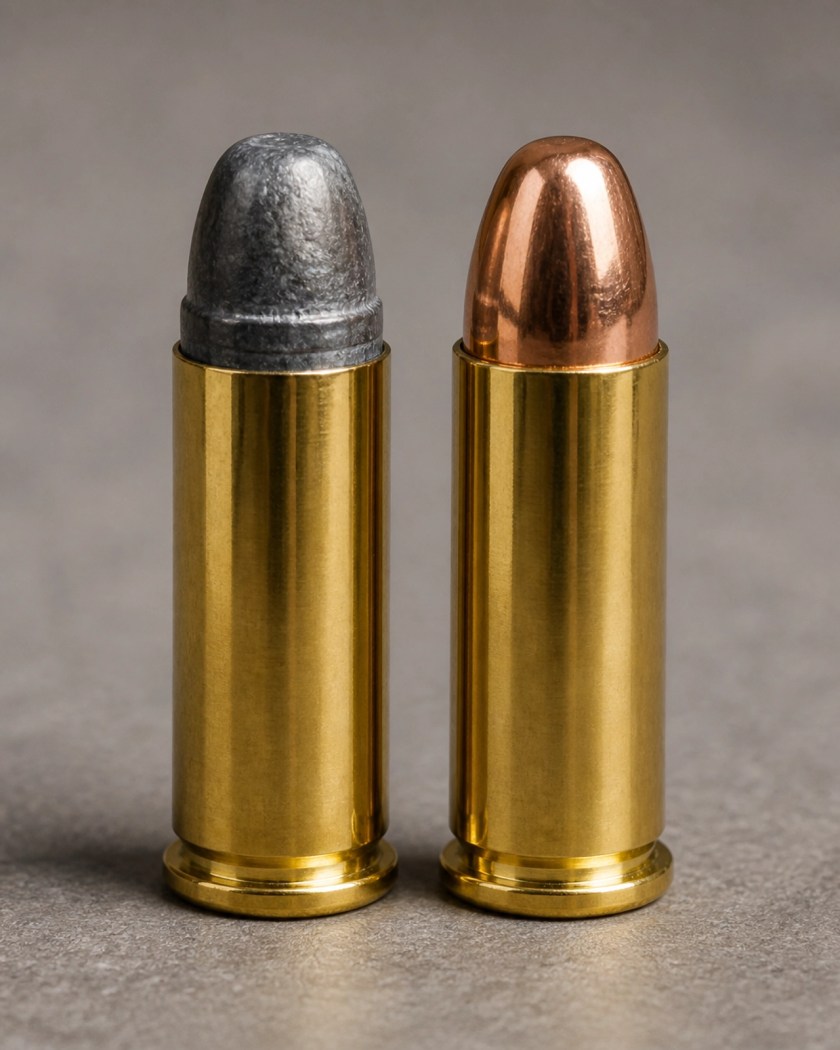
Handful of 38 special cartridges and 410 shotgun slugs on a tactical mat

2. The "Gucci Gun" Trap (No Accessories or Training)

It’s easy to drop $2,000 on a high-end rifle and feel like you’ve checked the "survival" box. But a bare-bones rifle without a sling, a way to see in the dark, or: most importantly: the skill to use it, is just a very expensive club.

The Mistake: Spending your entire budget on a firearm and leaving $0 for the accessories and training that make it effective.

The Fix: Balance your spending. If you’ve picked up something compact and punchy like a Kel-Tec, don't stop there. Look for Kel Tec PLR 16 accessories like a reliable red dot sight, a sturdy sling, and extra magazines. These upgrades turn a "range toy" into a legitimate survival tool. A gun you can't carry comfortably (no sling) or aim quickly (no optics) is a liability.

3. The "Rambo" Syndrome (The Weight Trap)

We’ve all seen those survival packs that look like they belong on the back of a pack mule. If your bag weighs 70 pounds and you aren't an Olympic athlete, you aren't "bugging out": you're becoming a stationary target.

The Mistake: Overpacking gear for every single "what if" scenario until the bag is too heavy to carry for more than a mile.

The Fix: Be ruthless with your weight. Aim for a bag that is no more than 20-25% of your body weight. Focus on the "Big Three": Shelter, Water, and Food. If you find yourself packing three different knives, a hatchet, and a full-sized shovel, it’s time to trim the fat. Remember, in a survival situation, your most valuable asset is your mobility. If you have to abandon your bag because you’re exhausted, you have nothing.

4. Overlooking Versatile "Budget" Options

In the survival world, there’s a tendency to think you need the most tactical, military-grade gear available. Sometimes, the best tool is the one that is simple, lightweight, and incredibly versatile.

The Mistake: Ignoring "low-tech" options like the humble shotgun because they aren't "tactical" enough.

The Fix: Consider the utility of a budget shotgun. A reliable pump-action, like a Mossberg Maverick 88, is one of the most versatile survival tools you can own. It can hunt small game, large game, and serve for home defense.

Even a .410 bore has a place in a survival kit. It’s light, and the ammo is easy to carry. If you keep a stash of .410 slugs for sale, you have a capable woods-gun that almost anyone in the family can handle without being intimidated by recoil. Plus, at Wholesale Hunter, we offer free shipping on all long guns, making these budget-friendly workhorses even more affordable.

A matte black pump-action shotgun leaning against an oak tree in a misty forest

5. The "Band-Aid" First Aid Kit

Most "off-the-shelf" first aid kits you find at big-box stores are designed for papercuts and minor scrapes. In a real emergency: where gear like chainsaws, firearms, or broken glass might be involved: a Mickey Mouse bandage isn't going to cut it.

The Mistake: Carrying a first aid kit that lacks trauma-management supplies.

The Fix: Upgrade to a "Stop the Bleed" or IFAK (Individual First Aid Kit) style setup. Your kit should include a high-quality tourniquet (like a CAT or SOFT-T), hemostatic gauze, and pressure bandages.

But wait: Don't just buy it and toss it in the bag. Take a class. A tourniquet is a life-saving tool, but if you’ve never practiced applying it under stress, it’s just a piece of plastic and nylon.

An open Individual First Aid Kit showing a tourniquet and trauma supplies

6. One Source of Water (And No Way to Purify It)

You can survive for weeks without food, but only a few days without water. Carrying three liters of water is great, but that’s only a one-day supply if you’re hiking under a heavy load.

The Mistake: Relying solely on the water you can carry without a plan for finding and purifying more.

The Fix: Follow the "Rule of Three" for water.

  1. Carry it: A high-quality stainless steel bottle or bladder.
  2. Filter it: A portable water filter (like a Sawyer Squeeze or LifeStraw).
  3. Purify it: Chemical tablets as a backup.

Water is heavy (8.3 lbs per gallon!). Don't try to carry a week's worth of water; carry the tools to make the water you find safe to drink.

7. Ignoring Maintenance and "The Sezzle Strategy"

Survival gear isn't a "buy once, cry once" thing if you don't take care of it. Gear fails, batteries leak, and metal rusts. Furthermore, waiting until a crisis happens to buy your gear is a recipe for high prices and out-of-stock notices.

The Mistake: Failing to inspect your gear regularly and waiting for a "better time" to buy the quality equipment you actually need.

The Fix: Set a calendar reminder every six months to go through your bag. Check your batteries, rotate your cheap 38 special practice ammo into your range bag and replace it with fresh stock, and make sure your tools are oiled and sharp.

And if the price tag of a high-quality survival rifle or a bulk ammo order is holding you back, use a smarter payment strategy. We offer flexible payment options through Sezzle, allowing you to "Buy Now, Pay Later" with no interest. This lets you get the life-saving gear you need today while spreading the cost over four easy payments.

Kel-Tec PLR-16 with optics and sling on a desert rock

Wrapping It Up

Survival preparation is a marathon, not a sprint. It’s about building a system that works for you, your family, and your specific environment. Avoid these seven mistakes, focus on quality over quantity, and never stop training.

Ready to fix those gear gaps? Head over to WholesaleHunter.com to browse our massive selection of firearms, ammunition, and outdoor gear. Don't forget: long guns ship free, and we’ve got the bulk ammo deals you need to stay ready for anything.

Stay safe out there!

Beretta Rebate Season: Massive Savings on 1301, A300, and A400 Shotguns!

If you’ve been hanging around the range or scrolling through tactical forums lately, you’ve probably heard the buzz: Beretta is currently running some of the best rebates we’ve seen in years. Whether you’re a tactical enthusiast looking to upgrade your home defense setup or a clay shooter aiming for that perfect round of sporting clays, there has never been a better time to pull the trigger on a new Beretta.

At Wholesale Hunter, we’ve been outfitting shooters since 1998, and we know a good deal when we see one. Beretta’s "Rebate Season" covers everything from the ultra-fast 1301 Tactical to the world-class 694 competition over-unders.

In this guide, we’re going to break down which shotguns are eligible, exactly how much you can save, and why these specific models are dominating the market right now. Plus, don't forget that when you buy a long gun from us, you get free shipping: making these deals even sweeter.


The Tactical Titans: 1301 Tactical and A300 Patrol

When it comes to semi-auto tactical shotguns, Beretta currently owns the podium. The 1301 and the A300 Patrol are the two most talked-about defensive scatterguns on the market, and right now, both come with significant cash-back or gear-credit options.

Beretta 1301 Tactical C Mod 2

The 1301 Tactical has earned a reputation as the "Benelli Killer" for a reason. It uses the lightning-fast BLINK gas operating system, which is capable of firing 36% faster than any other shotgun on the market. The new Mod 2 version takes things a step further with an improved trigger, M-LOK handguards, and a redesigned loading port.

  • The Deal: Get a $200 Visa Prepaid Card OR $300 in Beretta Bucks.
  • Dates: May 1, 2026 – July 31, 2026.
  • Featured Product: Check out the Beretta 1301 Tactical C Mod 2 in OD Green. Its Cerakote finish and 7+1 capacity make it the ultimate choice for serious defense.

Close-up action shot of a Beretta 1301 Tactical in OD Green on a range bag

Beretta A300 Ultima Patrol

If the 1301 is the high-end race car, the A300 Patrol is the rugged, reliable muscle car. It’s built in the USA and designed to be an out-of-the-box solution for law enforcement and home defense. It features enlarged controls, a 7+1 capacity, and a shorter 19.1" barrel for easy maneuvering in tight spaces.

  • The Deal: Get a $150 Visa Prepaid Card OR $250 in Beretta Bucks.
  • Dates: May 1, 2026 – July 31, 2026.
  • Featured Product: Grab the Beretta A300 Patrol in Black while it's in stock. At its price point, adding a $150 rebate makes it an absolute steal.

Mastering the Clays: A400 Xcel and 694 Series

For our sporting clay and trap shooters, Beretta hasn't forgotten you. These shotguns are designed for high-volume shooting, offering superior balance and recoil reduction that keeps you on target for hundreds of rounds.

Beretta A400 Xcel Sporting

The A400 Xcel is the gold standard for semi-auto competition shotguns. Featuring the Kick-Off recoil reduction system and that iconic blue receiver (on some models), it’s built to win. The "Blink" system handles everything from light target loads to heavy hunting shells without a hiccup.

  • The Deal: Get a $200 Visa Prepaid Card OR $300 in Beretta Bucks.
  • Dates: April 1, 2026 – June 30, 2026.
  • Featured Product: We currently have the Beretta A400 Xcel Sporting with a 32" Barrel in stock. The longer sight plane is a favorite among serious sporting clay competitors.

A clay shooter focused on the horizon with a Beretta A400 Xcel

Beretta 694 Series

Moving into the world of high-end over-unders, the 694 was designed specifically for competition. Its shape and ergonomics were developed in collaboration with champion shooters to ensure a perfect fit and natural pointing.

  • The Deal: Get a $400 Visa Prepaid Card OR $500 in Beretta Bucks.
  • Dates: April 1, 2026 – June 30, 2026.

What are "Beretta Bucks"?

One of the coolest parts of this rebate is the choice. When you submit your claim on the Beretta Rebate Portal, you generally get two options: a Visa Prepaid Card or "Beretta Bucks."

  • Visa Prepaid Card: This is straight cash. You can use it anywhere Visa is accepted: including right back here at Wholesale Hunter for more ammo!
  • Beretta Bucks: If you’re a fan of the brand, this is the better value. You get significantly more "buying power" to spend on Beretta’s official webstore. It’s perfect for picking up extra chokes, Beretta-branded apparel, or specialized cleaning kits.

Flat-lay photo showing a Visa card and Beretta Bucks gift card icon


Don't Forget the Ammo!

A new shotgun is just a paperweight without shells. Whether you're breaking clays or practicing your tactical transitions, you’re going to need a lot of 12-gauge.

At Wholesale Hunter, we offer bulk ammunition discounts: you get 5% off when you buy 10 or more boxes of the same ammo. Plus, if you leave a review on your new shotgun, we’ll send you a coupon for 5% off your next order.

Check out our current In-Stock 12 Gauge Ammunition to stock up for your first range trip.


Why Buy from Wholesale Hunter?

We know you have choices when it comes to buying firearms online. Here’s why shooters have been sticking with us for over 25 years:

  1. Free Shipping on Long Guns: We ship all rifles and shotguns for free to your local FFL.
  2. Flexible Payments with Sezzle: Want that 1301 but need to spread out the cost? Use Sezzle at checkout to buy now and pay later with no interest.
  3. Real People, Real Expertise: We aren't just a warehouse; we're enthusiasts. If you have questions about which Beretta is right for you, give us a call.
  4. Competitive Pricing: As our name implies, we hunt for the best wholesale prices so we can pass those savings on to you.

How to Claim Your Rebate

Claiming your rebate is a simple process, but you need to make sure you have your ducks in a row:

  1. Purchase Your Shotgun: Buy your qualifying Beretta from Wholesale Hunter within the promotional dates.
  2. Gather Your Paperwork: You'll need a photo of your receipt (the invoice we send you) and a photo of the UPC code from the box.
  3. Visit the Portal: Go to the Official Beretta Rebate Page and click "Redeem Now."
  4. Wait for the Goods: Once approved, your Visa card or Beretta Bucks code will be sent to you. Most shooters receive theirs in 8-12 weeks.

Final Thoughts

Beretta makes some of the most reliable firearms in the world, and this "Rebate Season" makes them accessible to more shooters than ever. Whether you want the tactical advantage of the 1301 Mod 2 or the competitive edge of the A400 Xcel, now is the time to act.

These rebates don't last forever, and inventory moves fast; especially when there’s free shipping on the line. Head over to our Beretta Store Page and find your new favorite shotgun today!

9mm Vs 5.56 NATO: Which Is Better For Your Home Defense Setup?

Choosing the right firearm for home defense is one of the most important decisions a gun owner can make. If you’ve spent any time on the forums or at the local range, you know the debate usually boils down to two heavyweights: the 9mm Luger and the 5.56 NATO.

At Wholesale Hunter, we’ve been helping shooters gear up since 1998, and we’ve seen trends come and go. But these two calibers remain the gold standard for a reason. Whether you’re looking for a compact handgun or a versatile carbine, both options have a lot to offer.

Today, we’re breaking down the ballistics, the ergonomics, and the practical realities of the 9mm vs. 5.56 NATO debate to help you decide which belongs in your bedside safe.

The Case for the 9mm Handgun or PCC

The 9mm is arguably the most popular caliber in the world. It’s the standard-issue round for most law enforcement agencies and is the go-to choice for concealed carry. When it comes to home defense, the 9mm offers several distinct advantages.

Compactness and Maneuverability

If you’re moving through a tight hallway or navigating around furniture in the middle of the night, size matters. A 9mm handgun is inherently more maneuverable than a full-sized rifle. It’s easier to stage in a small quick-access safe, and it allows you to keep one hand free to open doors, grab a phone, or shepherd family members to safety.

If you like the idea of a 9mm but want more stability, a Pistol Caliber Carbine (PCC) is an excellent middle ground. These rifles use 9mm Ammunition but offer the shoulder-mounted stability of a rifle, making them incredibly easy to shoot accurately.

Lower Blast and Concussion

One of the most overlooked factors in home defense is the environment. An indoor shooting scenario is loud: painfully loud. While no gunshot is "safe" for your hearing without protection, a 9mm generally produces significantly less muzzle blast and concussion than a 5.56 NATO rifle. In a high-stress situation, being able to maintain your senses without being completely disoriented by the blast of your own firearm is a major plus.

Training on a Budget

You fight like you train. Because 9mm is widely available and relatively inexpensive, you can afford to spend more time at the range. We always recommend picking up bulk 9mm ammo to keep your skills sharp. At Wholesale Hunter, we offer a 5% discount when you buy 10 or more boxes of ammo, making it even easier to stay proficient.

Hands holding a 9mm handgun at a shooting range

The Case for the 5.56 NATO Carbine

On the other side of the ring is the 5.56 NATO, typically fired from an AR-15 style rifle. While many people think of rifles as "too powerful" for home defense, the reality of modern ballistics might surprise you.

Stopping Power and Terminal Performance

The 5.56 NATO is a high-velocity rifle round. When it hits a target, it carries significantly more kinetic energy than a 9mm. This often results in a faster "stop" to a threat. For many home defenders, the superior terminal performance of a rifle is the deciding factor. If you’re looking for a reliable platform, our selection of AR-15 Rifles is a great place to start: and remember, we offer free shipping on all long guns.

The Over-Penetration Myth

There’s a common misconception that 5.56 NATO will zip through every wall in your house, while a 9mm will stop in the first layer of drywall. Ballistic testing often shows the opposite. Because the 5.56 is a very light, fast bullet, it tends to fragment or tumble when it hits a hard barrier like drywall.

In contrast, a heavier, slower 9mm bullet often stays intact, punching through multiple walls while retaining enough energy to be dangerous on the other side. If you use quality 5.56 NATO defensive ammunition, you might actually have a lower risk of over-penetration than you would with generic 9mm FMJs.

Versatile Platforms

If you want rifle-caliber power in a smaller package, you might look into the Kel-Tec PLR-16. It’s a 5.56 pistol that’s compact enough for tight spaces but packs a rifle punch. Just keep in mind that short barrels increase blast, so looking into Kel Tec PLR 16 accessories like muzzle brakes or stabilizers is a smart move.

Boxes of 9mm and 5.56 NATO ammunition stacked on a workbench

Head-to-Head: The Comparison

Feature 9mm (Handgun/PCC) 5.56 NATO (AR-15)
Stopping Power Moderate High
Maneuverability Excellent Good
Ease of Use High (PCC) / Moderate (Handgun) High
Wall Penetration Higher (with common loads) Lower (with fragmenting loads)
Ammo Cost Lowest Moderate

Don't Forget the Alternatives

While 9mm and 5.56 dominate the conversation, they aren't the only options for home defense. Some shooters prefer the simplicity of a revolver or the raw power of a shotgun.

  • The Revolver: For those who want "point and shoot" simplicity, a revolver is hard to beat. We often have deals on cheap 38 special ammo, which is perfect for practicing with your snub-nose or full-sized wheel gun.
  • The Budget Shotgun: A 12-gauge or 20-gauge pump action is a classic home defense tool. If you're on a budget, budget shotguns offer incredible value. For those sensitive to recoil, we also carry .410 slugs for sale, which turn a mild-shooting .410 bore into a serious defensive tool.

A budget-friendly pump-action shotgun and a snub-nose revolver with ammo

Which is Better for Your Setup?

The "best" choice depends on your specific needs and living situation.

Choose 9mm if:

  • You live in a very tight apartment where maneuverability is the #1 priority.
  • You want a firearm that can double as a concealed carry piece.
  • You want to keep your training costs as low as possible.

Choose 5.56 NATO if:

  • You want the maximum possible stopping power.
  • You are concerned about over-penetration and plan to use fragmenting defensive ammo.
  • You prefer the stability and accuracy of a three-point contact firearm (rifle).

Final Thoughts

Whether you land on a 9mm Handgun or a 5.56 carbine, the most important factor is your proficiency. Buy the gear you can shoot well, and then buy enough ammo to practice regularly.

At Wholesale Hunter, we want to make high-quality gear accessible. That’s why we offer Sezzle financing, allowing you to buy now and pay later with no interest. Plus, don't forget that leaving a review on your purchase earns you 5% off your next order through our customer reward program.

Still undecided? Browse our full selection of firearms and ammunition today and find the perfect fit for your home defense plan.

How to Choose the Best Shotgun Under $300 (Compared)

Let’s be real for a second: inflation is hitting everyone’s wallet these days. Whether you’re filling up the truck or grabbing a dozen eggs, prices are creeping up. But here’s the good news: you don't need to drop a thousand dollars to get a reliable, hard-hitting firearm. If you have $300 and a little bit of know-how, you can walk away with a shotgun that will protect your home, put meat on the table, or just provide a blast of a Saturday afternoon at the range.

I’m Jason Marsh, the owner here at Wholesale Hunter, and I’ve seen thousands of shotguns pass through our warehouse. I’ve shot the high-end Italian imports that cost more than my first car, and I’ve shot the "budget-friendly" Turkish imports that surprised me with how well they ran. If you're looking for the best bang for your buck, you’ve come to the right place.

Choosing a shotgun under $300 isn't about finding the "cheapest" gun; it's about finding the best value. Let’s break down what you need to look for and compare the top contenders on the market today.

What Can You Really Get for Under $300?

When you’re shopping in this price bracket, you have to manage your expectations. You probably won't find hand-engraved receivers or premium walnut stocks. What you can find is a tool.

In the sub-$300 world, you are primarily looking at three types of shotguns:

  1. Pump-Action Shotguns: The gold standard for budget reliability.
  2. Single-Shot Break-Actions: Simple, lightweight, and incredibly affordable.
  3. Turkish-Manufactured Semi-Autos: A newer entry to the market that offers high features at a low price point.

The goal is to find a firearm that goes "bang" every time you pull the trigger. If you want to browse our current inventory of budget-friendly shotguns, we keep a rotating stock of the models mentioned below.

Comparison of affordable pump-action and single-shot shotguns under $300 for hunting and defense.

The Heavy Hitter: Mossberg Maverick 88

If you ask any firearm expert what the best budget shotgun is, nine out of ten will say the Mossberg Maverick 88. It is, quite simply, the king of the hill.

The Maverick 88 is the "little brother" to the legendary Mossberg 500. While it’s assembled in Texas with some parts made across the border, it retains the core reliability that Mossberg is known for. Most of the parts (like the barrels) are actually interchangeable with the Mossberg 500, which gives you a massive world of aftermarket upgrades later on.

Why it wins:

  • Reliability: It uses dual action bars, which prevents the forend from twisting or binding when you’re racking it hard.
  • Versatility: You can find it in an 18.5-inch barrel for home defense or a 28-inch barrel for hunting.
  • Price: It almost always sits comfortably between $200 and $260.

If you’re looking for a "one and done" shotgun, this is it. It’s a workhorse that doesn't care if it gets muddy, rained on, or thrown in the back of a truck. You can check out some of our Mossberg offerings here.

The Rival: Stevens 320 by Savage Arms

If the Maverick 88 is the Ford F-150 of budget shotguns, the Stevens 320 is the Chevy Silverado. It’s based on the proven Winchester 1300 design, featuring a rotary bolt that is famously fast to cycle.

The Stevens 320 often comes with "tactical" features right out of the box that would cost extra on other guns, like a pistol grip stock or ghost ring sights. For a dedicated home defense tool under $300, it’s hard to beat.

The Pro Tip: While it’s a great gun, the aftermarket support isn't as massive as Mossberg’s. If you buy a Stevens 320, plan on keeping it in the configuration you bought it in.

The Minimalist Choice: Savage 301 Single Shot

Sometimes, you don't need five rounds. If you’re teaching a youngster to shoot, or you just want a lightweight "barn gun" for dealing with pests, the Savage 301 is a fantastic choice.

These are break-action, single-shot shotguns. They are incredibly simple to operate: push a lever, the barrel drops, you slide a shell in, and you’re ready to go. Because there’s no complex feeding mechanism, these guns are almost impossible to jam. Plus, they often retail for well under $200, leaving you plenty of room in your budget for ammunition.

Wholesale Hunter Logo

Comparing the Specs: At a Glance

Model Action Type Typical Price Best Use
Mossberg Maverick 88 Pump $210 – $250 All-Purpose / Home Defense
Stevens 320 Pump $190 – $240 Home Defense / Tactical
Savage 301 Single Shot $160 – $190 Hunting / Pest Control
Winchester SXP (Base) Pump $280 – $300 Hunting / Sporting
Turkish Semi-Autos Semi-Auto $250 – $300 Range Toy / High Volume

12 Gauge vs. 20 Gauge: Which Should You Choose?

When you’re looking at budget shotguns, you’ll mostly see 12 gauge and 20 gauge options.

  • 12 Gauge: This is the most popular choice. It has the most "stopping power" and the widest variety of ammo available. From birdshot to buckshot to slugs, you can find 12 gauge shells at every hardware store in America.
  • 20 Gauge: If you are smaller in stature or just don't like the heavy kick of a 12 gauge, go with a 20. It still packs plenty of punch for home defense or hunting but is much easier on the shoulder.

Regardless of which you choose, you’re going to need shells. We often have great deals on bulk ammo, and even though we focus on shotgun gear here, don't forget to check out our cheap .38 special or other handgun rounds while you’re at it.

The Turkish Semi-Auto "Wildcard"

In recent years, the market has been flooded with semi-automatic shotguns from Turkey, often branded under names like Black Aces Tactical or GForce Arms. These guns are enticing because they offer a semi-auto action: which usually costs $600+: for under $300.

The Reality Check: These guns can be hit or miss. Some run like a top right out of the box, while others require a "break-in" period of about 50-100 rounds of high-velocity shells to cycle reliably. If you’re a hobbyist who likes to tinker, these are great. If you need a gun to protect your life tonight, I’d stick with a pump-action like the Maverick 88.

Close-up of a 12-gauge pump-action shotgun ejecting a shell while firing at an outdoor range.

Don’t Forget the "Hidden" Costs

When you buy a shotgun for $250, you aren't just spending $250. To be a responsible owner, you need to account for a few extras:

  1. FFL Transfer Fee: If you buy from us online, we ship to a local gun dealer near you. They usually charge a small fee (typically $20-$50) to handle the paperwork.
  2. Cleaning Kit: Shotguns are dirty. A simple cleaning kit will keep that budget blaster running for decades.
  3. Home Storage: A simple trigger lock or a small cabinet is essential, especially if you have kids around.
  4. Ammunition: You need to practice! Grab a few boxes of target loads to get a feel for the recoil.

Final Thoughts from Jason

At the end of the day, the "best" shotgun is the one you have with you when you need it. If your budget is $300, don't let anyone tell you that you can't get a quality firearm.

If you want my personal recommendation? Buy a Mossberg Maverick 88. It’s the closest thing to a "sure bet" in the budget world. Use the money you saved to buy a few extra boxes of shells and spend an afternoon at the range.

If you have questions about a specific model or need help picking out the right accessories, feel free to reach out to us. We’re here to help you get the gear you need without the elitist attitude you find at some other shops.

Happy shooting, and stay safe out there!

: Jason Marsh
Owner, Wholesale Hunter

Wholesale Hunter Footer Logo

410 Slugs vs Buckshot: Which Is Better For Your .410 Setup?

For a long time, the .410 bore was relegated to the "beginner" category. It was the gun you gave your kid for their first squirrel hunt or the "snake charmer" kept in the barn. But lately, things have changed. Thanks to innovations in modern projectiles and some very popular defensive revolvers (looking at you, Taurus Judge), the .410 has seen a massive resurgence.

If you’ve picked up a .410 recently, you’re likely staring at the ammo shelf wondering whether to grab a box of slugs or buckshot. While they both come out of the same barrel, they behave very differently. Whether you’re looking for 410 slugs for sale for hunting or high-quality 410 buckshot for home defense, understanding the ballistics is key to making the right choice.

In this guide, we’re going to break down the slug vs. buckshot debate so you can set up your .410 for success.

Understanding the .410 Slug: Precision in a Small Package

When you fire a .410 slug, you’re essentially turning your shotgun into a low-recoil, short-range rifle. Most .410 slugs weigh between 1/5 and 1/4 ounce and travel at impressive velocities, often exceeding 1,700 feet per second.

A professional close-up macro photograph of a box of .410 gauge rifled slugs. One or two slugs are standing upright on a textured dark surface.

Why Use Slugs?

The primary advantage of a slug is precision and penetration. Because it’s a single, solid projectile, it carries all of its energy into one point of impact.

  • Accuracy: Unlike buckshot, which spreads out, a slug allows for aimed shots at longer distances. If your .410 is equipped with even basic sights, you can reliably hit targets out to 50 or 75 yards.
  • Penetration: Slugs are designed to punch through. This makes them the top choice if you are using your .410 for hunting small to medium game like feral hogs or even deer in states where it’s legal.

At Wholesale Hunter, we carry a variety of options, including Winchester 410 slugs, which are a staple for anyone taking their .410 into the woods.

Understanding .410 Buckshot: The Home Defense Standard

If the slug is a scalpel, buckshot is a hammer. In a .410 shell, "buckshot" usually refers to three to five large lead pellets (commonly 000 buckshot).

A detailed macro shot of several .410 bore 000 buckshot shells spread across a camouflage patterned fabric. The translucent hulls reveal the large, round lead pellets stacked inside.

Why Use Buckshot?

Buckshot is designed to create multiple wound channels. When you pull the trigger on a 3-inch shell containing five pellets of 000 buck, you are essentially sending five .36 caliber projectiles downrange simultaneously.

  • Stopping Power: At close range (inside 15 yards), the combined energy of those pellets is devastating.
  • Reduced Over-Penetration: Compared to a solid slug, individual buckshot pellets are less likely to travel through multiple walls in a home. This makes buckshot the gold standard for indoor defense.
  • Pattern Spread: While .410 patterns are much tighter than a 12-gauge, you still get a small amount of spread that can help in a high-stress, "point and shoot" situation.

Head-to-Head: Home Defense

When it comes to protecting your home, the consensus among experts is clear: Buckshot wins.

The reason is simple ballistics. A .410 slug behaves like a high-velocity pistol round. While it will certainly stop a threat, it also has a high probability of passing completely through the target and continuing through your walls. In a suburban home or an apartment, that’s a major liability.

Buckshot, particularly the 000 loads, offers plenty of penetration to reach vital organs: often 14 to 18 inches in ballistic gelatin: but spreads that energy out across multiple projectiles. This increases the likelihood of a "one-shot stop" while keeping your neighbors a bit safer.

If you’re looking for a low-recoil alternative to the .410 for defense, we also see many customers looking for cheap 38 special ammo for their revolvers. Both are great options for those who find a 12-gauge too punishing to practice with.

Head-to-Head: Hunting Medium Game

If you’re heading out for a deer or hog hunt with a .410, you should reach for Slugs.

The "expert’s challenge" of hunting with a .410 requires precision. Buckshot patterns from a .410 are very sparse. By the time you get out to 30 or 40 yards, you might only put one or two pellets into a deer’s vital zone, which isn't enough for an ethical, clean kill. A slug, however, puts all its weight and energy exactly where you aim.

Pro-tip: If you’re a gear enthusiast who likes to customize their setup, don’t forget that we also stock tactical gear like Kel Tec PLR 16 accessories. While the PLR-16 isn't a .410, we know our customers love versatile, compact platforms!

Finding the Right Platform: Budget Shotguns

You don’t need to spend a fortune to get a reliable .410 setup. Whether you want a dedicated home defense gun or a light woods walker, there are plenty of budget shotguns that perform beautifully.

A clean, realistic product photo of a budget-friendly .410 pump-action shotgun with a synthetic black stock and a vent rib barrel.

Manufacturers like Mossberg, Stevens, and Rossi offer fantastic .410 models that won't break the bank. A simple pump-action .410 is incredibly reliable, easy to clean, and handles both slugs and buckshot with ease.

Why Shop With Wholesale Hunter?

Since 1998, Wholesale Hunter has been the go-to source for American shooters. We don't just sell gear; we use it. When you buy your .410 ammo or a new shotgun from us, you’re getting more than just a box in the mail:

  1. Free Shipping on All Long Guns: Buy your new budget shotgun from us, and we’ll ship it to your FFL for free.
  2. Bulk Discounts: Need to practice? Get 5% off when you buy 10+ boxes of ammunition.
  3. Buy Now, Pay Later: We offer Sezzle, so you can split your purchase into four interest-free payments.
  4. Expert Advice: From Craig Boddington’s caliber dictionary to our hunting blogs, we provide the knowledge you need to shoot safely and effectively.

Conclusion: The Final Verdict

So, which is better for your .410 setup?

  • Choose Buckshot if your primary goal is home defense. It offers the best balance of stopping power and safety for indoor use.
  • Choose Slugs if you’re planning on hunting medium game or want to do some precision target shooting at the range.

A wide-angle, realistic outdoor scene of a hunter walking through a sun-dappled autumn forest, carrying a light .410 bore shotgun over their shoulder.

The .410 bore is a surprisingly capable round when you match the projectile to the task. Ready to stock up? Head over to our ammunition section and grab what you need. And remember, once you’ve put your new gear to the test, leave a review on our site to get 5% off your next order!

Happy shooting, and stay safe out there!

The Ultimate Gear Up: FREE 10mm Pistol with Springfield Model 2020 Rifles!

If you’ve been sitting on the fence about picking up a high-end bolt-action rifle, Springfield Armory just gave you about 674 reasons to pull the trigger. We’re talking about the Springfield Armory Gear Up 2026 promotion, and honestly, it’s one of the most aggressive "buy-one-get-one" deals we’ve seen in the sporting goods world in a long time.

Between April 15 and August 31, 2026, when you purchase a select new Springfield Armory Model 2020 rifle, including the legendary Waypoint, the sleek Boundary, or the backcountry-ready Redline, you are eligible to receive a FREE XD-M® Elite 4.5" OSP™ 10mm pistol.

Think about that for a second. You’re getting a world-class precision rifle (MSRP starting around $1,999) and walking away with a rugged, optics-ready 10mm powerhouse (worth over $600) for exactly zero extra dollars. Whether you’re a hunter looking for the ultimate backcountry setup or a long-range enthusiast, this is the "Gear Up" of the decade.

Why the Springfield Model 2020 Series?

Springfield didn’t just slap their name on a bolt gun and call it a day. The Model 2020 series was designed from the ground up to compete with custom-built rifles while maintaining a price point that doesn't require a second mortgage. Here at Wholesale Hunter, we’ve seen these rifles fly off the shelves because they actually deliver on the "sub-MOA" guarantee.

1. Model 2020 Waypoint: The Modern Standard

The Waypoint is the rifle that started it all. Featuring a carbon fiber barrel and a carbon fiber stock, it’s light enough to carry all day but heavy enough to stay steady on the bags. It uses the Model 2020 action, which has dual locking lugs and an EDM-cut raceway for silk-smooth operation.

If you’re looking for the sweet spot in caliber, the Model 2020 Waypoint in 6.5 Creedmoor (SKU 11552663) is the one. It’s perfect for everything from target shooting to medium-sized game, and with this promo, it’s an absolute steal.

Springfield Model 2020 Boundary Rifle in the Forest

2. Model 2020 Boundary: Classic Meets Cutting Edge

For the hunters who prefer a more traditional stock feel but want modern performance, the Boundary is your go-to. It features a carbon fiber stock from AG Precision and a fluted stainless steel or carbon fiber barrel. It’s designed for the "boundary" between long-range precision and traditional hunting.

Check out the Model 2020 Boundary in .308 Win (SKU 11729951). The .308 is the quintessential American caliber, reliable, easy to find ammo for, and incredibly effective.

3. Model 2020 Redline: The Backcountry Specialist

If you’re the type of person who counts every ounce because you’re hiking five miles into the wilderness, the Redline was made for you. It features a short, 16-inch or 20-inch carbon fiber barrel and a minimalist Grayman stock. It’s compact, suppressed-ready, and incredibly light.

We highly recommend the Model 2020 Redline .308 Win (SKU 11667928) for anyone planning a high-altitude hunt this season.

Springfield Model 2020 Redline Rifle Action Shot

The Prize: XD-M Elite 4.5" OSP 10mm

Let’s talk about the "freebie." Calling the XD-M Elite 10mm a "freebie" feels like an insult because this pistol is a beast in its own right.

The 10mm Auto caliber has seen a massive resurgence lately, especially among hunters who want a "woods gun" for protection against large predators. The XD-M Elite gives you:

  • 16+1 Capacity: That’s a lot of 10mm firepower in one magazine.
  • META™ Trigger: One of the best factory triggers on the market.
  • Optics-Ready: The OSP (Optical Sight Pistol) slide means you can mount your favorite red dot right out of the box.
  • Flared Magwell: For lightning-fast reloads.

Note: If you live in a magazine-capacity restricted state, Springfield will send you a Hellcat® Pro instead to ensure you stay legal!

Springfield XD-M Elite 10mm Pistol

More Father’s Day Deals You Can’t Ignore

While the Springfield deal is the headliner, we’ve got a mountain of other rebates and promotions running right now that are perfect for Father's Day (or just treating yourself).

Savage Arms Father's Day Rebate

Savage is offering some serious cash back on their most popular rifles. Whether it's the Axis, the 110, or their rimfire lines, you can save big. Check out the Savage Rebate Details and then browse our Savage Arms inventory to find your model.

Beretta Current Rebates

Beretta always has something cooking. Right now, they have rebates on several eligible firearms, including handguns and shotguns. You can find the full list of eligible Beretta SKUs here. Whether you need a new clay buster or a concealed carry piece, Beretta has you covered.

Lipsey’s Exclusive Programs

We work closely with Lipsey's to bring you unique deals you won't find anywhere else. Currently, there are several active programs:

Father and Son with Rifle Case

Why Shop with Wholesale Hunter?

We know you have choices when it comes to buying firearms online, but we’ve been at this since 1998 for a reason. We don't just sell guns; we live this lifestyle.

  • Free Shipping on All Long Guns: Yes, that includes the Waypoint, Boundary, and Redline. When you buy a rifle from us, the shipping is on the house.
  • Sezzle Payment Options: Don't want to drop $2,000 all at once? No problem. Use Sezzle to buy now and pay later with interest-free installments.
  • Bulk Ammo Discounts: You’re going to need something to feed that new rifle. Grab 5% off when you buy 10+ boxes of ammo. Check out our Centerfire Rifle Ammo and Handgun Ammo sections to stock up.
  • Review Rewards: Leave a review on your purchase and we’ll give you 5% off your next order. It’s our way of saying thanks for being part of the community.

How to Claim Your Free 10mm Pistol

Claiming your Springfield Gear Up reward is simple, but don't miss the deadlines:

  1. Purchase: Buy a qualifying Springfield Model 2020 rifle from Wholesale Hunter between April 15 and August 31, 2026.
  2. Redeem: Head over to the Springfield Armory Promo Page and upload your proof of purchase and serial number.
  3. Wait for the Goods: Your free XD-M Elite 10mm (or Hellcat Pro) will be shipped to your local FFL dealer.
  4. Deadline: Make sure you submit your claim by September 30, 2026.

Conclusion

This Father's Day season is shaping up to be one for the record books. Between the Springfield Gear Up promo and the rebates from Savage and Beretta, there’s never been a better time to upgrade your safe.

If you have any questions about which Model 2020 is right for you, or how to combine these deals with our Sezzle financing, give us a shout. We’re here to help you get the best gear at wholesale prices.

Gear up, stay safe, and we'll see you at the range!


The Ultimate Guide to the Derranger: Everything You Need to Succeed with Modern Pocket Pistols

Whether you spell it "Derringer" like the history books or "Derranger" like many of our customers (and some very creative internet searches), there is no mistaking the silhouette of the world’s most iconic pocket pistol. For over 150 years, these tiny, over-under powerhouses have served as the "ace in the hole" for everyone from Wild West gamblers to modern-day concealed carry enthusiasts.

At Wholesale Hunter, we’ve seen firearms trends come and go, but the demand for a reliable, ultra-compact backup never fades. Today, we’re diving deep into the world of modern pocket pistols, explaining why they still matter, how to shoot them effectively, and how to round out your defensive kit with the right gear and ammo.

A Brief History: From Henry Deringer to Modern Steel

The story starts with Henry Deringer, a 19th-century gunsmith who designed a small, single-shot percussion pistol. It became so popular that "Derringer" (with an extra 'r') became the generic term for any small handgun that wasn't a revolver or a traditional semi-auto.

While the old-school versions were often made of questionable "pot metal," today’s models are built like tanks. Brands like Bond Arms have completely reinvented the platform using high-grade stainless steel, modern safeties, and interchangeable barrels. They’ve turned a "last-ditch" curios into a legitimate defensive tool that can handle everything from soft-shooting .22 LR to hard-hitting .45 Colt and .410 bore shells.

Why Carry a Modern Derringer?

In an era of high-capacity "micro-compact" 9mms, why would anyone choose a two-shot pistol?

  1. Deep Concealment: Sometimes, even a Glock 43 is too big. Whether you’re in formal wear or just running to the store in gym shorts, a derringer disappears in a pocket.
  2. Unmatched Reliability: There are no slides to rack, no magazines to jam, and no complex linkages. If the hammer falls, it goes bang.
  3. Versatility: With a break-action design, you can shoot variety. You can find 410 slugs for sale that turn your pocket pistol into a powerhouse for trail protection against snakes or pests.
  4. The "Backup" Factor: Most pros don't carry a derringer as their only gun. It’s the ultimate backup gun (BUG) for when your primary is unreachable or out of the fight.

A realistic comparison photo showing a Bond Arms derringer next to a standard full-size 1911 pistol to illustrate the extreme size difference. The derringer is tiny and fits easily within the palm of a hand.

Mastering the Pocket Powerhouse

Shooting a tiny gun with a big caliber requires a bit of technique. Here’s how to succeed with your "Derranger":

1. Mind Your Grip

Because the grip is so small, recoil can feel "snappy." When practicing with cheap 38 special range ammo, ensure you have a firm, high grip. Many modern Bond Arms models come with extended grips that give your pinky a place to rest, which dramatically improves control.

2. Learn the Trigger

Unlike a striker-fired pistol, most derringers are single-action. This means you must manually cock the hammer for every shot. Practice this motion until it's muscle memory. Modern versions feature a "rebounding hammer" which stays off the firing pin until the trigger is pulled, making them significantly safer than vintage models.

3. Training Matters

Don't just buy it and bury it in a drawer. You need to know where those two rounds are going to land at 5 to 7 yards. Spend time at the range with budget-friendly loads. We always recommend stocking up on bulk handgun ammunition so you can train without breaking the bank.

Choosing Your Caliber: .38 Special vs. .410

One of the best things about modern derringers is the caliber selection.

  • .38 Special: This is the "goldilocks" caliber. It offers plenty of stopping power with manageable recoil. It’s also easy to find cheap 38 special loads for high-volume practice.
  • .410 Bore / .45 Colt: This is the "snake charmer" setup. Many derringers are chambered to take both. Using .410 birdshot is great for trail defense, while .410 slugs offer impressive close-range energy. If you're looking for 410 slugs for sale, we keep them in stock for the "big-bore" fans.

A detailed, realistic photo of an open-action derringer showing two chambers. One chamber is being loaded with a .38 Special round, and the other with a .410 shotshell, highlighting the firearm's versatility.

Expanding Your Defensive Arsenal

While the derringer is a fantastic tool for deep concealment, a complete self-defense plan usually involves a few different "layers" of gear.

The Budget Shotgun: Home Defense Base

A derringer is for the pocket; a shotgun is for the bedroom. If you're building a kit on a budget, you don't need a $1,000 tactical rig. We carry a wide range of budget shotguns that are simple, reliable, and effective. A basic 12-gauge pump-action paired with your backup pocket pistol is a classic, unbeatable combination.

The "Truck Gun": Kel-Tec PLR-16

If you want something with more "oomph" than a pocket pistol but more portability than a shotgun, the Kel-Tec PLR-16 is a favorite. It’s a 5.56 pistol that uses standard AR-15 mags. To really make it shine, you’ll want to look into Kel Tec PLR 16 accessories like muzzle brakes and forends to help manage the blast from that short barrel.

Essential Accessories for Your Derringer

To get the most out of your pocket pistol, you need the right support gear:

  • Pocket Holsters: Never carry a derringer loose in your pocket with keys or change. A dedicated pocket holster keeps the gun oriented correctly for a draw and protects the trigger.
  • Ammo Wallets: Since you only have two rounds in the gun, carrying a small leather "ammo wallet" with a few extra 38 special rounds is a smart move.
  • Cleaning Kits: Small barrels can lead to quick carbon buildup. A quick wipe-down after a range session keeps that break-action opening smoothly.

A realistic lifestyle photo of a person's hand reaching into a front pocket of denim jeans, showing the top of a small leather pocket holster containing a derringer. The setting is an outdoor, casual daytime environment.

Final Thoughts

The "Derranger" may be old-fashioned in concept, but in practice, it remains one of the most versatile and carry-friendly firearms ever made. Whether you're loading it with 410 slugs for a hike in the woods or keeping it stoked with .38 Special for a night out, it provides a level of peace of mind that few other guns can match for the size.

Ready to find your perfect backup? Browse our full selection of handguns and gear at Wholesale Hunter. We’ve been serving the shooting community since 1998 with competitive pricing and expert advice. Don't forget: all long guns ship for free, and you can take advantage of our Sezzle "buy now, pay later" options to build your ultimate kit today!


Range Day Essentials: Everything You Need for a Successful Trip to the Shooting Range

There is nothing quite like the smell of gunpowder in the morning. Whether you’re heading out to sight in a new deer rifle, practicing your concealed carry draw, or just blowing off some steam with friends, a trip to the shooting range is one of the best ways to spend a Saturday.

But we’ve all been there: you drive forty-five minutes to your favorite spot, unpack the trunk, and realize you forgot the one thing that makes the whole day work. Maybe it’s the magazines for your semi-auto, or maybe it’s something as simple as the staples for your targets. Suddenly, your "relaxing" day turns into a frustrating logistics puzzle.

At Wholesale Hunter, we want you to spend more time shooting and less time digging through your glove box for spare earplugs. That’s why we’ve put together this comprehensive guide on range day essentials. Whether you’re a first-timer or a regular "range rat," this checklist will ensure your next outing is a hit.

The Foundation: A Quality Range Bag

Before you even think about ammo, you need a way to carry your gear. Using an old gym bag or a grocery sack might work once or twice, but a dedicated range bag is a game-changer. These bags are designed to handle the heavy weight of lead and steel, with reinforced bottoms and specialized compartments.

A good range bag allows you to organize your gear so you know exactly where everything is. Look for one with padded internal pockets for your handguns and separate sections for your cleaning supplies and tools. Having a dedicated spot for your "must-haves" means you can do a quick visual check before you leave the house. If you see an empty pocket where your eye protection should be, you’ve saved yourself a headache before the truck even leaves the driveway.

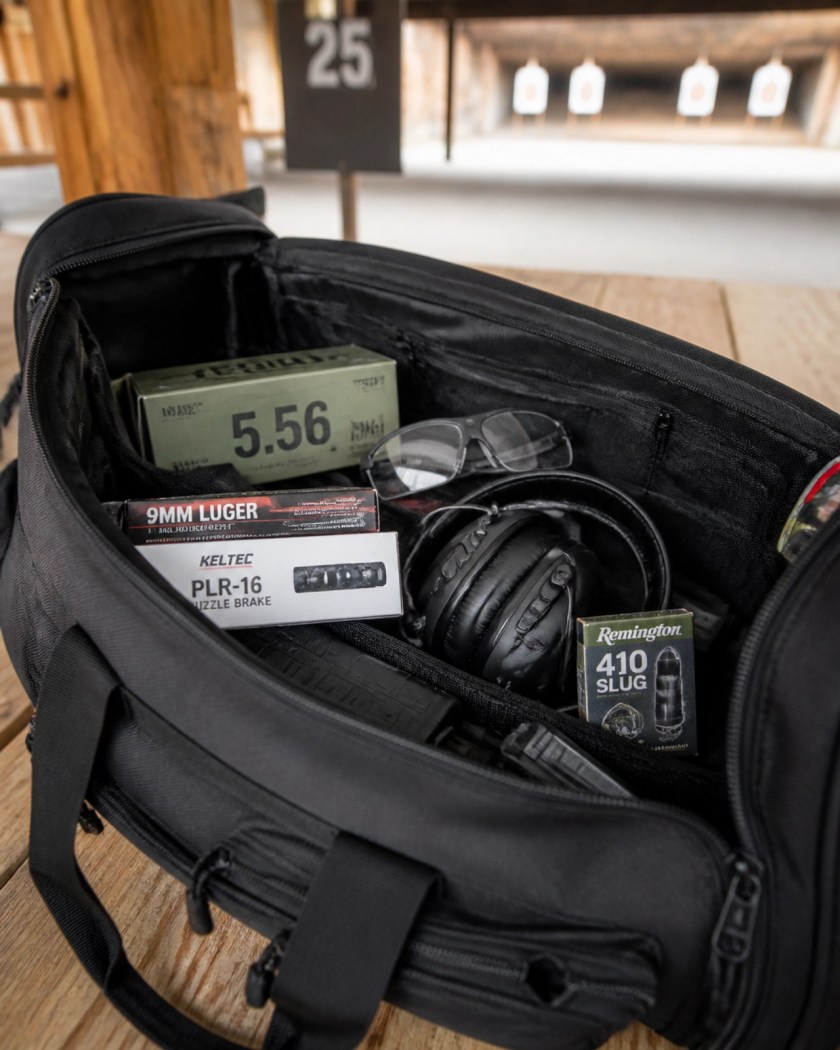
A professional tactical range bag organized with shooting gear and ear protection on a wooden bench.

Safety First: Protecting Your Eyes and Ears

Safety isn’t just a set of rules posted on the wall; it’s the most important part of your kit. If you can’t see or hear, you can’t shoot well (or safely).

Ear Protection

Gunshots are loud: really loud. Permanent hearing damage can happen in a single session if you aren’t careful. You have a few options here:

  • Disposable Foam Plugs: Cheap and effective, but they can be finicky to get a good seal.
  • Passive Muffs: These are the standard "over-the-ear" protectors. They provide great blockage but can make it hard to hear instructions from a Range Safety Officer (RSO).
  • Electronic Ear Pro: This is the gold standard. These muffs amplify low-level sounds like conversation while instantly cutting out the high-decibel crack of a gunshot. It’s a huge safety benefit because you can hear what’s happening around you without sacrificing your hearing.

Eye Protection

Standard sunglasses are better than nothing, but they aren't designed to stop a piece of hot brass or a fragment of lead splashing back from a steel target. Always wear impact-rated safety glasses. If you shoot at an indoor range, clear lenses are usually best, while outdoor shooters might prefer a smoke or amber tint to help with glare.

The Main Event: Firearms and Ammunition

It sounds obvious, but you’d be surprised how often people forget their magazines or the correct caliber of ammo.

Ammo Selection

Buying in bulk is the way to go if you want to keep your costs down and your round count up. If you’re heading out with a revolver, grabbing some cheap .38 Special is a great way to get a lot of practice without breaking the bank. If you’re bringing a pistol-caliber carbine or your everyday handgun, stocking up on 9mm ammo is always a smart move. For AR shooters, having enough 5.56 NATO ammo on hand means more trigger time and fewer interruptions. For the shotgun fans, whether you’re practicing home defense drills or just seeing what that new smoothbore can do, having a box of 410 slugs or standard buckshot ready to go is essential.

Check out our full selection of ammunition to stock up before you head out. Remember to bring a little more than you think you’ll need. There is no worse feeling than finally getting your "groove" only to realize you’re down to your last five rounds.

Magazines and Loaders

If you’re shooting semi-automatics, bring all the magazines you own. Pre-loading them at home saves you valuable time at the range (especially if you’re paying by the hour). If you have high-capacity mags, consider an assisted loader: your thumbs will thank you by the end of the day.

Brass .38 special ammunition and red .410 shotgun shells next to loaded magazines on a shooting mat.

Targets and Tools: The "Little Things"

You need something to aim at, and you need a way to keep it in place.

Targets

Don't just stick to the boring black-and-white silhouettes. "Splatter" targets are fantastic because they show a bright neon ring around your hit, making it much easier to see your groups from 25 yards away without needing a spotting scope. If the range allows it, bringing your own steel targets can add a satisfying "ping" to your session, though paper is still the king for precision work.

Target Supplies

You’ll need a way to hang those targets. A heavy-duty stapler with plenty of extra staples is a range bag staple (pun intended). Many outdoor ranges use wooden frames, and a roll of high-quality masking tape or duct tape is also helpful for patching holes to extend the life of your target.

The Range Tool Kit

Guns are mechanical devices, and mechanical devices sometimes need a little TLC. A basic multi-tool, a small set of Allen wrenches for your optics, and a cleaning rod can save a range trip. If a piece of brass gets stuck or a screw on your red dot shakes loose, you won’t have to pack up early. A quick squirt of gun oil can also keep things running smoothly if your firearm starts to get "sluggish" after a few hundred rounds.

Documentation and Range Rules

If you’re heading to a new range, make sure you have your ID ready. Many ranges require you to sign a waiver or watch a safety video before you can hit the line. If you’re a CCW holder, keep your permit handy as well.

It’s also a good idea to bring a small notebook or use a shot-tracking app on your phone. Keeping track of which ammo your gun likes best or noting the adjustments you made to your scope will help you become a better shooter over time.

Comfort and Health

Shooting is an outdoor sport (mostly), and even at indoor ranges, it can be a workout. Don't forget:

  • Water: Staying hydrated keeps your focus sharp.
  • Snacks: Low blood sugar leads to shaky hands, and shaky hands lead to bad groups.
  • Lead-Removing Wipes: These are a specialized item that every shooter should have. After a day of handling lead and brass, you want to get that residue off your skin before you eat a sandwich or drive home.
  • First Aid Kit: Hopefully, the only thing you’ll need is a Band-Aid for a "slide bite," but it’s always better to have a trauma kit nearby whenever firearms are involved.

Why Wholesale Hunter?

At the end of the day, a successful range trip comes down to preparation. Here at Wholesale Hunter, we pride ourselves on being your one-stop shop for everything from premium firearms to the cleaning kits you use when you get home.

We know the gear because we use the gear. Whether you're looking for specific accessories or just need to stock up on targets, we've got you covered with friendly service and a massive inventory.

Professional shooting range setup with a rifle on a bipod, ear protection, and safety glasses.

Final Thoughts: The Pre-Flight Check

Before you zip up that bag, do one last walkthrough:

  1. Safety: Eyes and ears packed?
  2. Firearms: Action clear and cased?
  3. Ammo: Correct caliber and enough of it?
  4. Mags: Pre-loaded?
  5. Targets: Stapler and tape ready?

If you can check off those five boxes, you’re in for a great day. The range is a place for community, skill-building, and fun. By showing up prepared, you set the tone for a safe and productive session.

Check out our latest deals to make sure you have everything you need for your next outing. We’ll see you at the firing line!


Looking for more tips on shooting, gear reviews, or hunting guides? Stay tuned to the Wholesale Hunter blog for weekly updates from our team of experts!

9mm vs 5.56 NATO: Which Is Better for Your Home Defense Setup?

Choosing the right firearm for home defense is one of the most important decisions a gun owner can make. You want something reliable, easy to handle, and effective enough to stop a threat while minimizing risks to your family or neighbors. For most folks, this debate boils down to two heavy hitters: the 9mm and the 5.56 NATO.

Whether you’re a seasoned shooter or just starting to look for your first home defense tool, the choice between a handgun (or Pistol Caliber Carbine) and an AR-15 can be a bit overwhelming. Today, we’re going to break down the ballistics, the maneuverability, and the "over-penetration" myths to help you decide which one belongs in your bedside safe.

The Case for 9mm: Versatility and Ease of Use

The 9mm Luger is the world’s most popular handgun caliber for a reason. It’s affordable, has manageable recoil, and modern defensive loads are incredibly effective. When it comes to home defense, the 9mm is usually found in two platforms: the traditional semi-auto handgun and the increasingly popular Pistol Caliber Carbine (PCC).

Handguns: The King of Maneuverability

If you need to navigate tight hallways or keep one hand free to grab a phone or a child, a 9mm handgun like the Taurus G3C Compact or a Glock 17 is hard to beat. Handguns are easy to store in small quick-access safes and are much easier to keep out of sight.

9mm Handgun and Defensive Ammo

PCCs: The Best of Both Worlds

Pistol Caliber Carbines take that same 9mm round and put it into a rifle-sized platform. You get more points of contact for better accuracy and significantly less felt recoil. Plus, many PCCs share magazines with your handgun, making your logistics a lot simpler. If you're looking to stock up on practice rounds, we always have plenty of 9mm Luger ammunition in stock at great prices.

For those who prefer a more "old school" approach to home defense, a revolver can be a solid choice. While not 9mm, we often get asked about a cheap 38 special option for backup. You can find some great deals on .38 Special ammo here if you want a low-recoil alternative that still packs a punch.

The Case for 5.56 NATO: Stopping Power and Precision

When you move up to the 5.56 NATO (the round fired by the AR-15), you’re entering the world of rifle ballistics. The main advantage here is terminal performance. Rifle rounds travel much faster than handgun rounds, creating a "hydrostatic shock" effect that is far more likely to stop an intruder quickly.

The AR-15 Advantage

An AR-15, like the Ruger AR-556, offers a 30-round capacity standard and is incredibly easy to customize. You can add lights, lasers, and red dots to make it a purpose-built night fighter. The increased sight radius also makes it much easier to hit your target under stress compared to a handgun.

5.56 NATO AR-15 Carbine

If you’re running a more compact 5.56 setup, like a pistol-length build, don't forget to check out our Kel Tec PLR 16 accessories. Upgrading your handguards or adding a muzzle device can make a huge difference in controlling the blast and flash of a short-barreled 5.56 indoors.

Ready to gear up? We carry a massive selection of 5.56mm NATO rifles and bulk 5.56 ammo to keep you ready for anything.

The Over-Penetration Myth: Which Is Safer?

One of the biggest arguments for 9mm is the idea that it won't go through walls as easily as a rifle round. However, ballistic testing often shows the opposite.

Because 5.56 NATO bullets are very light (usually 55 to 62 grains) and moving at extremely high speeds, they tend to fragment or "tumble" when they hit drywall. This fragmentation bleeds energy quickly. On the other hand, a 9mm bullet is much heavier (115 to 147 grains) and moves slower, which often allows it to maintain its shape and momentum through multiple interior walls.

The Bottom Line on Safety: No matter which you choose, misses are dangerous. Always use high-quality defensive ammunition. Avoid Full Metal Jacket (FMJ) for home defense and opt for Jacketed Hollow Points (JHP) in 9mm or fragmenting soft-point loads in 5.56.

Stacked Ammo Boxes

Budget Considerations and Alternatives

Building a home defense setup doesn't have to break the bank. If you're on a tight budget, you might want to look at our selection of budget shotguns. A reliable pump-action can often be had for under $300 and is a legendary home defense tool.

For those who want the power of a shotgun with less recoil, we frequently have 410 slugs for sale. A .410 bore shotgun loaded with slugs is an excellent choice for smaller-statured shooters who still want the stopping power of a long gun.

Budget Shotgun and Specialty Ammo

Why Shop with Wholesale Hunter?

We’ve been in the game since 1998, and we know what works. When you're building your home defense kit, we offer a few perks that make us the best choice:

  • Free Shipping on Long Guns: Any rifle or shotgun (including that new AR-15) ships to your FFL for free.
  • Sezzle it: Want that high-end setup now but prefer to pay later? Use Sezzle at checkout for 4 interest-free payments.
  • Bulk Ammo Discounts: Stock up and save! Get 5% off when you buy 10 or more boxes of the same ammo. Perfect for getting your practice in.
  • Review Rewards: Leave a review on your purchase and get 5% off your next order.

Final Verdict: 9mm or 5.56?

If you live in a tight apartment and need something you can conceal or maneuver easily, the 9mm handgun is a fantastic choice. It’s compact, reliable, and plenty powerful for close encounters.

However, if you want the best possible "stopping power" and the ease of shooting that comes with a rifle, the 5.56 NATO AR-15 is our top recommendation. With the right fragmenting ammo, it’s arguably safer regarding over-penetration and much easier to shoot accurately under pressure.

Still undecided? Browse our full inventory of firearms and ammunition to see what fits your hand and your budget best. Stay safe out there!